
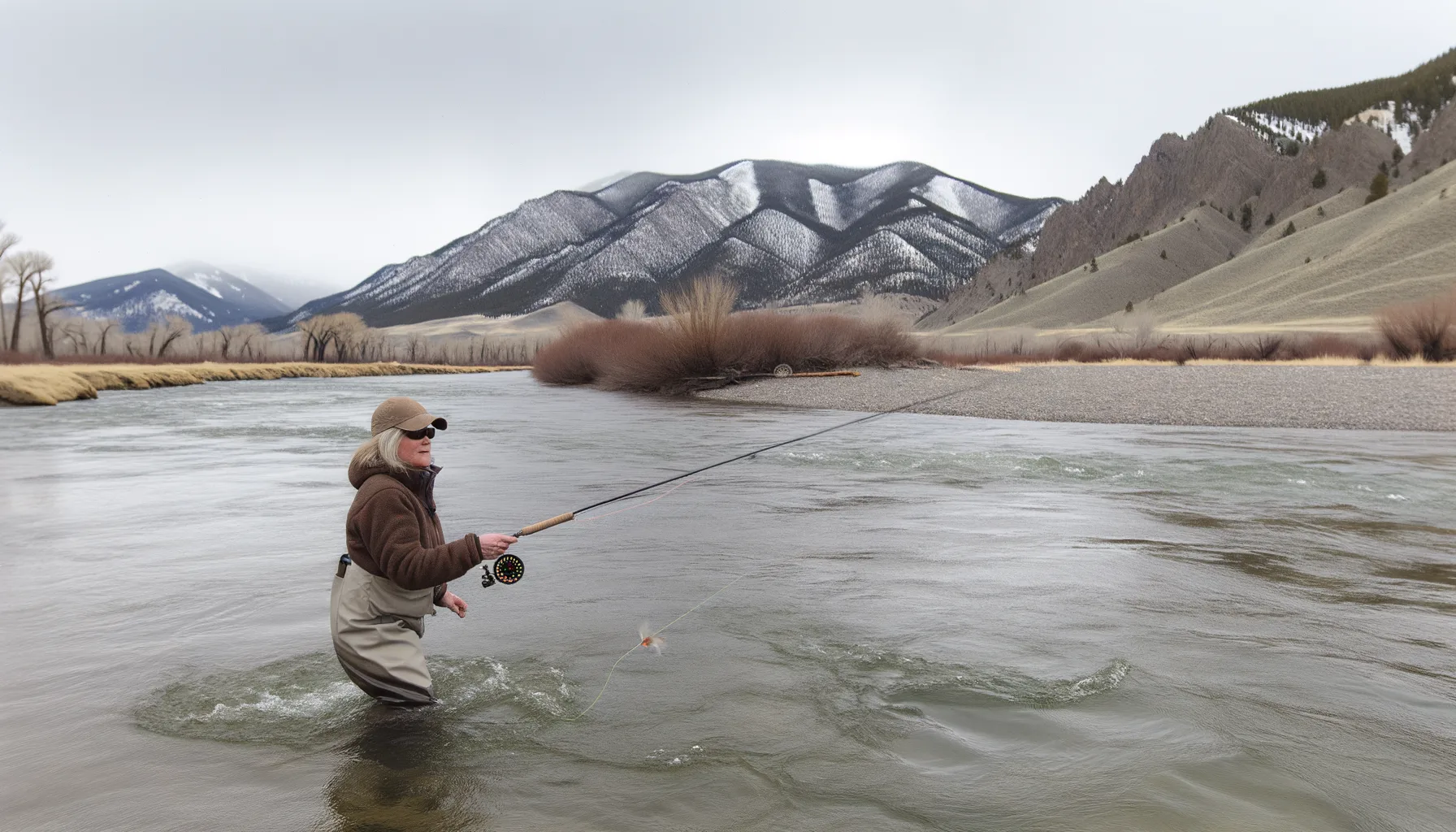
The clock is ticking. Western Montana rivers are already running higher than normal for mid-March, and anyone who’s spent time watching the Clark Fork or the Bitterroot after a big snow year knows exactly what that means: the window to wade and nymph trout in clear water is closing faster than you’d like. Right now, today, you’ve got a narrow but genuinely productive stretch of time to get after it before peak snowmelt turns your favorite runs the color of chocolate milk. Don’t waste it sitting on the couch.
Key Takeaways
- The pre-runoff nymphing window on freestones is short—conditions can change fast as snowmelt ramps up.
- Trout are feeding but holding deep in softer lanes; getting your flies down matters more than being “subtle.”
- Tailwaters and spring creeks can stay clear and fishable well into runoff when freestones blow out.
- Baetis (BWO) activity starts to show on warmer afternoons, but the best action is often subsurface.
- Safety is part of the plan: rising March flows can turn a comfortable wade into a dangerous one in hours.
If you want context on what the rivers are doing right now, start with the broader trend report: Montana River Report: Western Rivers Spike 14% as March Melt Arrives (Clark Fork, Bitterroot, Blackfoot). For a statewide snapshot of what’s coming next as waters transition into spring, bookmark the Montana Fishing Forecast (Mid-March).
Why Pre-Runoff Nymphing Is So Good Right Now
There’s a reason guides book up fast in this window. Trout that spent January and February in a cold-water stupor are starting to shake loose. Water temps are creeping into the low 40s on the better-protected stretches, and bugs are beginning to move. Baetis — your classic Blue-Winged Olive — are starting their pre-runoff emergence cycles on warmer afternoons. If you want a quick refresher on what’s crawling and hatching, read BUGS!!!.
But the real action is happening sub-surface, where nymphs are drifting at depth and trout are stacking up in predictable current seams to eat with minimal energy expenditure. The fish aren’t chasing. They’re ambushing. That’s exactly where nymphing excels.
On freestone rivers like the Blackfoot near Bonner or the upper Clark Fork through Missoula, flows are pushing but haven’t blown out yet. You’ve got a week, maybe two on some stretches, before wading becomes dangerous and visibility drops to near zero. Use it.
Go to Tailwaters and Spring Creeks First (If You Want to Stay Fishing Longer)
If you want to extend your fishable season well into May, shift your focus to tailwaters and spring-fed systems. These are the rivers that stay clear and manageable long after the freestones turn.
In Montana, that means a few key destinations:
- The Missouri River below Holter Dam near Craig is your best bet statewide. Regulated flows and cold, clear water straight out of the reservoir mean this river fishes well through runoff season and beyond. Crowds are thinner than August, and the browns and rainbows are serious. For recent statewide updates that include Missouri talk, see Montana Fishing Report (March 7).
- The Bighorn River below Yellowtail Dam near Fort Smith holds consistent flows and clarity regardless of what’s happening upstream in the Bighorn Mountains. If you haven’t driven down there in March, you’re missing one of the best-kept seasonal secrets in Montana fly fishing.
- Spring creeks in the Paradise Valley — Nelson’s, Armstrong, and DePuy’s near Livingston — run gin-clear year-round. Yes, there’s a rod fee. Yes, it’s worth it right now when every other public river in the region is getting rowdy.
If you’re looking for more region-specific intel as runoff approaches, keep an eye on the Southwest Montana Fishing Reports Overview and compare it with the broader mid-March fishing forecast.
Patterns and Depth: What’s Working Right Now
This is not the time for subtlety. Pre-runoff fish are feeding, but they’re holding deep to avoid the increased current load. You need to get your flies down fast and keep them in the zone longer than you think necessary.
Fly Patterns to Have Tied On
- Pat’s Rubber Legs (#6-#10): Heavy, ugly, and deadly. Fish it as your anchor fly on a two-nymph rig. Browns especially can’t leave it alone in high, off-color water.
- Hare’s Ear Nymph (#12-#16): A workhorse that imitates everything from caddis larvae to baetis nymphs. Bead-head version for extra sink rate.
- Zebra Midge (#18-#22): Drop this off the bend of your Hare’s Ear on the Missouri or Bighorn. Trout are keying on midges hard right now, especially in slower tailwater eddies.
- Soft-Hackle Pheasant Tail (#14-#16): Swing this on the downstream end of your drift as the line tightens. BWO emergers coming off the bottom trigger aggressive takes in the 2-4pm window on mild days.
Depth and Rigging Strategy
Set your indicator deeper than your gut tells you to. If you think you’re fishing three feet deep, add another foot and a half. In pre-runoff conditions with elevated flows, fish are tucked tight to the bottom in slower current lanes — inside seams, behind mid-channel boulders, and in the soft water along cutbanks.
Add split shot aggressively. Ticking the bottom occasionally is a feature, not a bug.
Use a euro nymphing setup if you’re comfortable with it. The direct contact and lack of indicator drag makes it easier to stay in the zone on the slightly faster water you’ll encounter right now. On the Clark Fork through the Missoula canyon stretch, euro nymphing from a drift boat is particularly effective before levels peak.
A Word on Safety and Access
Rising water in March is not forgiving. If you’re wading freestone rivers right now, wear a wading belt cinched tight, consider an inflatable wading vest, and fish with a buddy. Snowmelt can spike flows dramatically in a single afternoon — what was knee-deep at 9am can be thigh-deep and pushing hard by 3pm.
Check USGS streamflow gauges the morning you go out, and watch the trend, not just the number. For current conditions, the Montana Fish, Wildlife & Parks Fishing Reports page and local fly shops — Grady’s in Missoula, Montana Troutfitters in Bozeman, and Tight Lines in Craig — are your best real-time intelligence sources. These folks are on these rivers daily and will tell you straight whether it’s worth the drive.
If your spring plans overlap with shoulder-season hazards, it’s also worth skimming the latest safety updates like Montana Dangerous Ice Warning (March 11, 2026)—conditions change quickly this time of year.
The pre-runoff window is short. It’s also one of the most rewarding stretches of the entire Montana trout season. Get out there before the rivers go brown.
FAQ: Pre-Runoff Nymphing in Montana
- How long does the pre-runoff nymphing window usually last?
- It’s a short window that can close quickly as snowmelt ramps up. On many freestone stretches, you may have a week or two before flows and clarity make wading difficult or unsafe.
- Why are trout easier to target with nymphs right before runoff?
- Trout tend to hold in predictable seams and softer lanes to conserve energy as flows increase, and they feed subsurface where drifting nymphs are right in front of them.
- What water temperatures tend to spark better pre-runoff action?
- The article’s focus is on water temps creeping into the low 40s on better-protected stretches, which can coincide with increased bug movement and more consistent feeding.
- What are the best Montana options when freestones blow out?
- Tailwaters and spring creeks can stay clear and fishable longer. Examples mentioned here include the Missouri below Holter Dam, the Bighorn below Yellowtail Dam, and spring creeks in Paradise Valley.
- How deep should I set my indicator during pre-runoff?
- Deeper than you think. If your instinct says three feet, add about another foot and a half so your flies spend more time near the bottom where fish are holding.
- Do I need to add a lot of weight during pre-runoff nymphing?
- Often, yes. The strategy here is to add split shot aggressively and accept occasional bottom ticks as a sign you’re in the zone.
- Is euro nymphing a good choice in slightly higher flows?
- If you’re comfortable with it, yes. Direct contact and reduced indicator drag can help you stay in the zone in faster water. The Clark Fork canyon stretch is specifically called out as effective from a drift boat before levels peak.
- What’s the most important safety tip for March wading on freestones?
- Assume the river can rise fast. Wear a tight wading belt, consider an inflatable wading vest, fish with a buddy, and check gauges—watch the trend, not just a single reading.
Related Reading
- Montana River Report: Western Rivers Spike 14% as March Melt Arrives (Clark Fork, Bitterroot, Blackfoot)
- Montana Fishing Forecast (Mid-March): Ice-Out Updates, Best Rivers & Lakes, and Top Flies as Spring Starts
- Montana Fishing Report (March 7): Ice Still Hanging On, Plus Madison & Missouri River Trout Updates
- BUGS!!!
- Fish Care
- On the Fly?
Montana's outdoor week, in your inbox at 7am Friday.