Every year, some new list drops telling anglers where they “need” to fish. Yellowstone makes the cut. Maybe Glacier if the writer actually knows their stuff. The rest? Usually coastal parks or far-flung destinations that require plane tickets and rental cars.
Here’s what those lists miss: Montana doesn’t need a national park designation to offer world-class fishing. In fact, some of our best trout water flows through land you can access without an entrance fee, without the crowds, and without wondering if you’ll find parking at the trailhead.
The National Park Trap
Don’t get me wrong—Yellowstone’s waters are legendary for good reason. The park’s thermal features create unique aquatic ecosystems, and the cutthroat populations in Yellowstone Lake represent something truly special. Glacier’s high-country lakes hold native bull trout and westslope cutthroat that’ll test your backcountry skills and your patience.
But here’s the reality: those park waters come with restrictions that can frustrate serious anglers. Seasonal closures to protect spawning fish and grizzly bears. Fly-fishing-only zones. Strict catch-and-release regulations. Limited shore access around thermally active areas. And during peak season? You’re sharing that blue-ribbon water with selfie-stick tourists and bear-jam traffic.
What Montana Anglers Actually Have
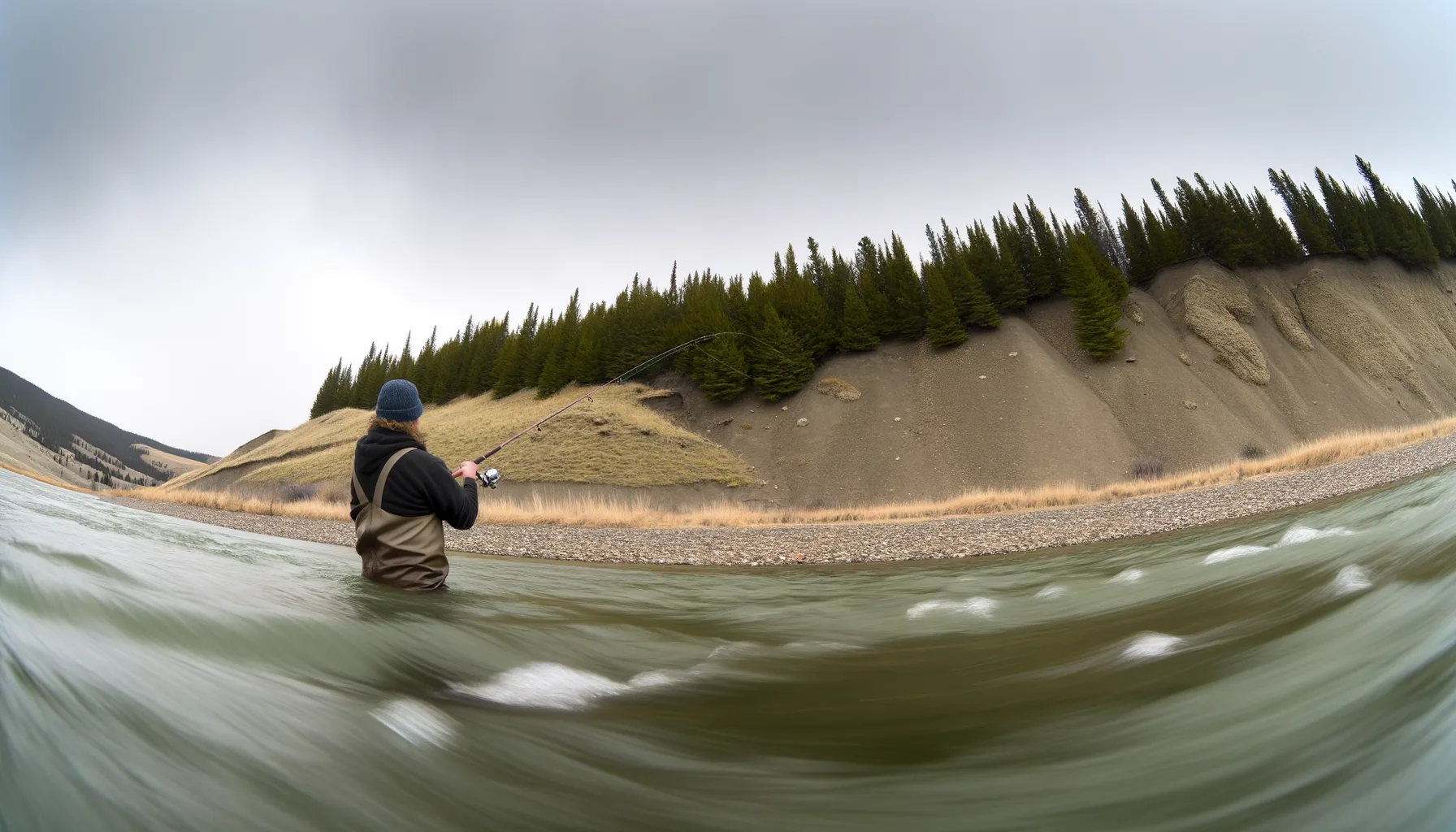
Step outside the park boundaries, and Montana reveals why it earned its reputation as the last best place long before any national magazine said so. The Bitterroot, flowing through a mix of national forest and private land, offers technical dry-fly fishing for rainbows and browns without the circus. The Smith River’s permit system ensures you’re not combat fishing. The Madison, Boulder, and Gallatin rivers provide year-round opportunities with easier access than most park waters.
Our state fishing access sites represent something most states can’t match: legally guaranteed public access to miles of premium trout habitat. That’s not luck—that’s the result of decades of conservation work and stream access laws that anglers in other states envy.
The Skills That Matter
National park fishing often means hiking into remote backcountry lakes where the fish are small, hungry, and willing to hit anything that floats. That’s fun for a weekend, but it won’t make you a better angler.
Montana’s spring creeks, tailwaters, and freestone rivers will humble you in ways that matter. Reading complex currents. Matching the hatch when trout are keyed in on size 22 midges. Presenting a fly with a drag-free drift while wading in water that wants to knock you down. Landing a 20-inch brown that’s seen every trick in the book. These are the skills that separate anglers who catch fish from those who just wet a line.
Fishing Pressure and Reality
The irony of these “best fishing” lists is that they create the very problem they ignore: crowding. Every angler who reads that Yellowstone is a must-fish destination adds to the pressure on those waters. Meanwhile, Montana has literally thousands of miles of fishable streams that never make the lists, never get mentioned in outdoor magazines, and consistently produce excellent fishing for those willing to explore.
Talk to any guide who’s worked the same water for twenty years. They’ll tell you the fishing hasn’t gotten worse—the number of anglers has just gotten larger. The solution isn’t to chase the next trending destination. It’s to develop relationships with water close to home.
What To Do Instead
Pick a drainage system within two hours of your house and commit to learning it. Fish it in different seasons. Understand how runoff affects the hatches. Learn where fish hold during high water and where they move when flows drop. Build a relationship with that water that goes deeper than checking it off a bucket list.
Join a local chapter of Trout Unlimited or a fly fishing club. The knowledge shared over beers after a stream cleanup will teach you more than any viral fishing article. Support local fly shops—not just for gear, but for the beta on current conditions and emerging hatches.
And yes, fish the parks when it makes sense. But do it with realistic expectations and respect for the regulations that protect those resources. Just don’t ignore the incredible fishing that exists everywhere else in Montana while chasing someone else’s idea of the “best.”
The best fishing is the fishing you can do regularly, on water you understand, with skills you’ve developed through experience. That’s not a headline—that’s just the truth.
Source inspiration: https://www.msn.com/en-us/travel/parks/these-are-the-best-us-national-parks-for-fishing-according-to-seasoned-anglers/ar-AA1YpJ8r
Montana's outdoor week, in your inbox at 7am Friday.