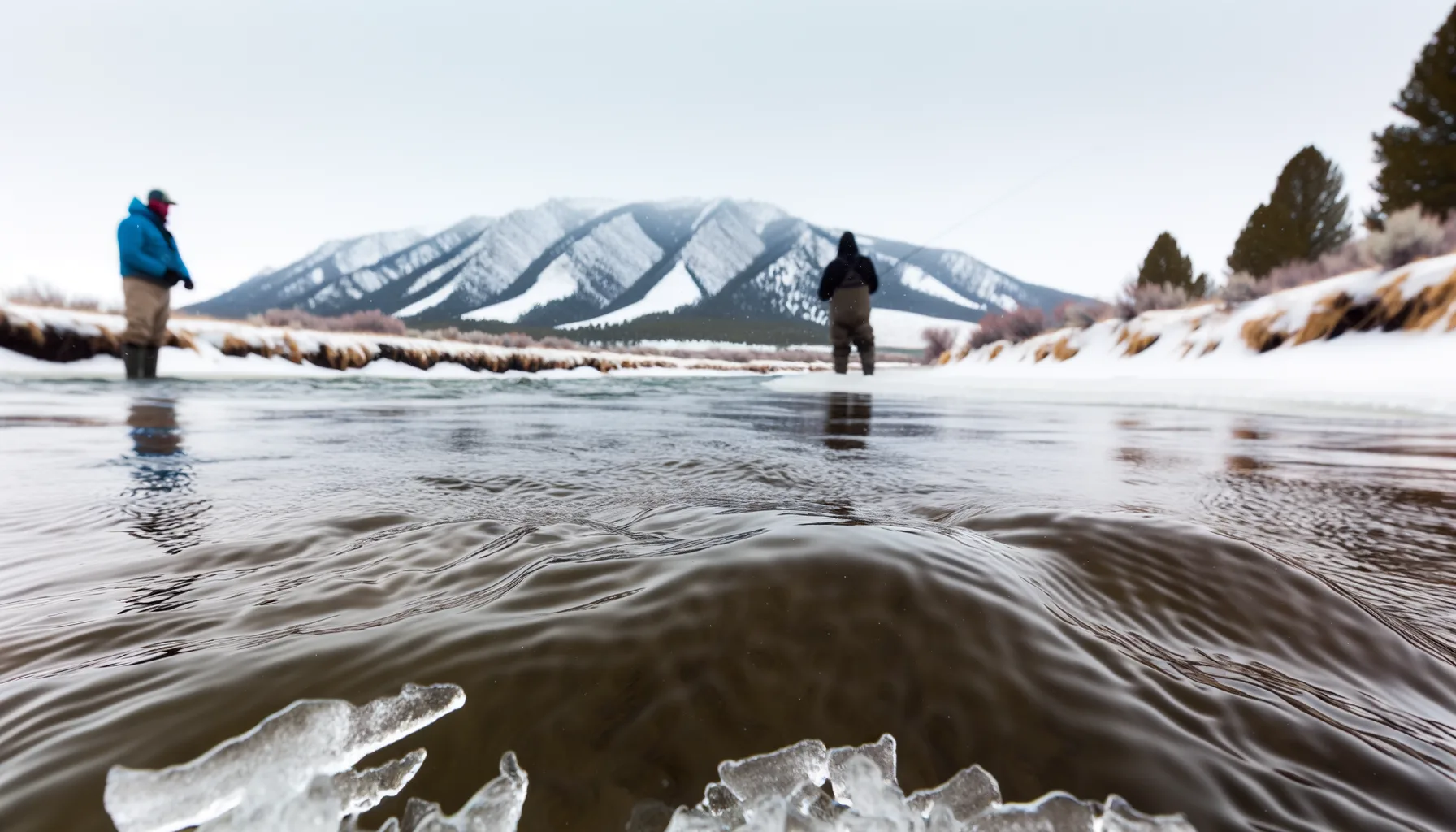
We’re hitting that magical transition period in Montana where winter’s grip is finally loosening and some fantastic fishing opportunities are emerging. Based on historical patterns from previous years, mid-March brings a mix of late ice fishing, early ice-out action, and the first real signs of spring on our rivers. It’s an exciting time to be on the water, but you’ll need to stay flexible and watch conditions closely.
The big story this week is ice conditions rapidly deteriorating across the state. Many reservoirs are showing floating ice caps with open shorelines, while some waters are transitioning to full ice-out. Rivers are starting their spring awakening, though water temperatures remain cold. This is prime time for anglers who can adapt to changing conditions and aren’t afraid of a little mud on their boots.
Top Rivers to Fish Right Now
Madison River
The Madison is typically fishing well by mid-March, with spring-like conditions bringing more active fish. Focus on nymphing deep runs and pools with spring patterns. Water temps around 35-38°F mean fish slow and methodical. Target deeper green water and work holes thoroughly rather than running and gunning. Try tandem nymph rigs with pink worms, flesh-colored eggs, midge larvae, and small stonefly patterns, using split shot about a foot above your lead fly to get down near the bottom.
Gallatin River
Solid nymphing opportunities despite chilly conditions. Small Pat’s Rubber Legs or worms as lead flies work well, followed by dark Perdigons or Zebra Midges in black or purple. Focus on deeper holes and inside bends, watching for occasional surface activity during midge hatches. High 20s to low 30s air temps mean dressing warmly is essential, though stream flows typically remain stable.
Flathead River
River clarity and levels start changing as spring runoff begins, but decent trout fishing continues from drift boats. Nymphing is your best bet for cutthroat, rainbow, and bull trout—just remember the single hook only regulation applies here.
Yellowstone River
Still challenging due to significant ice coverage with some boat ramps blocked, but opportunities exist for patient anglers willing to exercise extreme caution. Target the top of longer, slower runs first, then work deeper and slower water if that doesn’t produce. Focus afternoon fishing when temps are warmest for brown and rainbow trout.
Top Lakes and Reservoirs
Holter Lake
Historical patterns show this transitioning to open water by mid-March, with the Gates of the Mountains area typically ice-free first and launch ramps opening around this time. Excellent rainbow fishing with leech pattern flies, plain crawlers, marshmallows, various spoons, and PowerBait along shore and from boats in newly opened areas.
Canyon Ferry
The south end usually has open water with great mixed-species opportunities, while the north end ice typically pulls away from shore. For rainbows, try ice flies or pink jigs tipped with worms or waxworms in 8-15 feet around the Silos to ponds area. For perch, walleye, and occasional ling, use bright Glo hooks with maggots or worms in 50-60 feet at Hole in the Wall.
Flathead Lake
Open water fishing with good access makes this an easy choice for excellent lake trout fishing off the Delta area. Jigs and cut bait work well in 15-40 feet of water, while dead baits and swim baits are also effective in the 10-30 foot range.
Helena Valley Regulating Reservoir
Consistent kokanee action continues during the transition period, with ice conditions deteriorating but still fishable in many areas. Try jigging in 25-40 feet with Swedish Pimples or Halis jigs tipped with maggots or corn.
Hatches and Fly Selection
Mid-March fly selection focuses on early season patterns and midge activity:
- Midges: Zebra Midges in black, purple, and red (sizes 18-22), Griffiths Gnats (16-20)
- Spring nymphs: Pink worms, flesh-colored eggs, small Pat’s Rubber Legs
- Stoneflies: Small dark stonefly nymphs and Perdigons
- Attractor patterns: Small ice flies for still water, bright jigs for reservoir fishing
- Leeches: Leech patterns in black, brown, and purple for lake fishing
Midge hatches are the main insect activity, typically occurring during the warmest part of the day. Look for rising fish in back eddies and slower water.
Gear and Tactics Tips
Safety first: Ice conditions are rapidly changing and potentially dangerous. No ice is safe ice, and what’s fishable in the morning might be covered by shifting ice in the afternoon. Always check current conditions before heading out and let someone know your plans.
Nymphing tactics: Get flies down quickly with adequate weight. Fish slow and methodical presentations. Work holes thoroughly – cold water fish need to see offerings multiple times before committing to the strike.
Lake fishing setup: For kokanee and other reservoir species, bring a variety of jig sizes and colors. Tip your jigs with scent attractants like maggots, waxworms, or corn to increase strikes in cold water. Electronics help locate fish holding at specific depths.
Dress for success: Layer up with moisture-wicking base layers, insulating mid-layers, and waterproof outer shells. Hand warmers, quality gloves, and warm boots make long days on the water much more enjoyable.
Watch the weather: Mid-March can bring rapidly changing conditions. Morning ice-out fishing might turn to afternoon sleet or snow. Check forecasts and be prepared to adjust your plans accordingly.
Looking Ahead
As we move through mid-March, expect continued ice deterioration on reservoirs and increasing insect activity on rivers. The transition from winter to spring fishing happens quickly in Montana, creating excellent opportunities for anglers willing to adapt to changing conditions and explore different waters as they become accessible.
Montana's outdoor week, in your inbox at 7am Friday.