
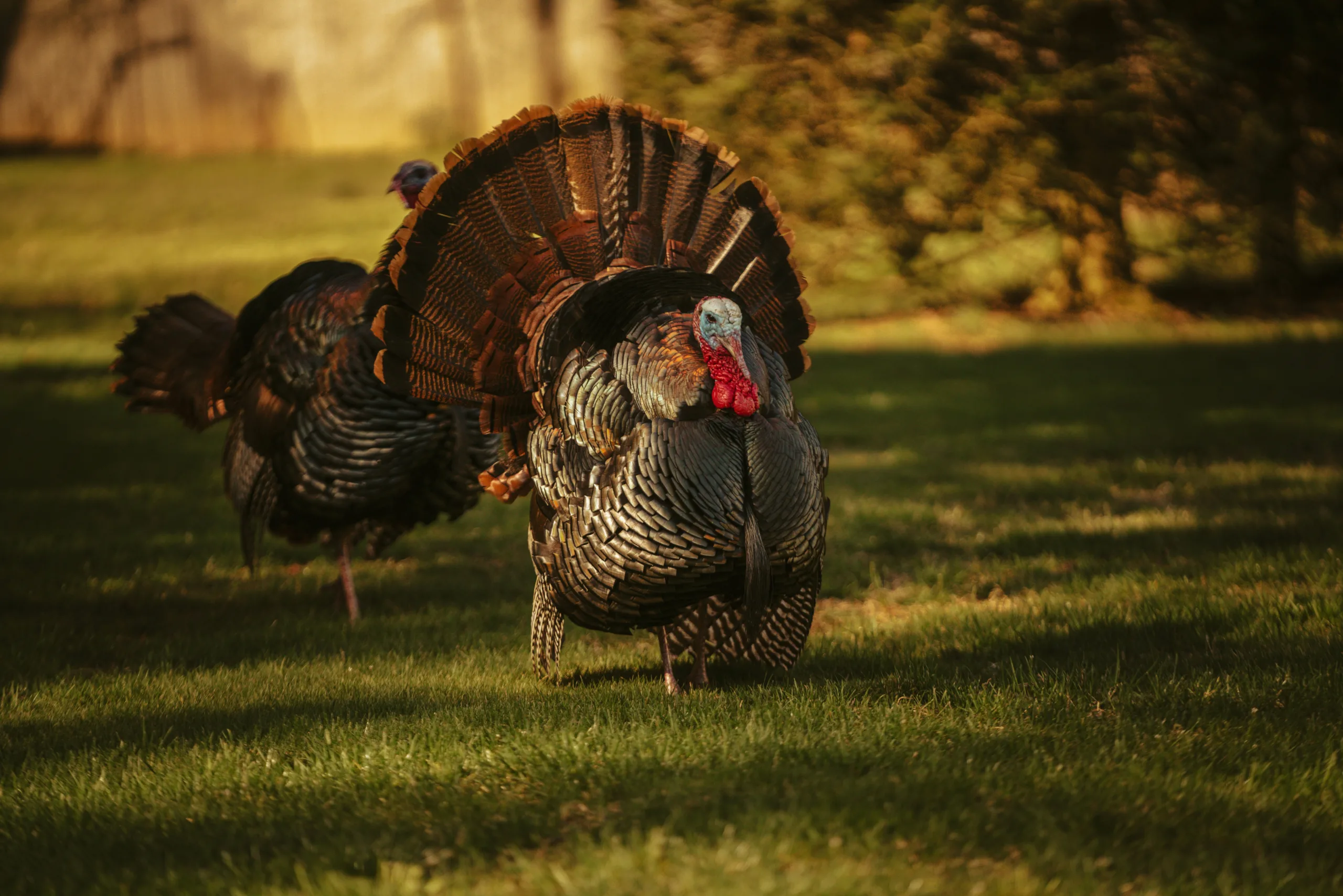
Most Montana hunters spend April and May chasing trout. The ones who don’t — the ones who’ve stood in a ponderosa draw at first light and listened to a Merriam’s gobbler cut loose across a ridge — they’re a different breed. Realtree’s Spring Thunder crew, David Blanton and Mike Chamberlin, head west to chase that exact feeling in the Black Hills of Wyoming, and the result is the kind of hunt that’ll have you pulling up onX and circling units before the video’s halfway over.
Montana’s Merriam’s Opportunity Is Bigger Than Most Hunters Realize
Honestly, spring turkey is probably the most underrated DIY hunt in the state. Montana FWP opens the spring season in most districts around mid-April and runs it through the end of May — that’s a long window. Over-the-counter licenses are available for residents at a modest cost, and nonresident tags are accessible compared to just about any western big game species you’d care to name. No points, no draw luck, no waiting. You can decide in March that you’re going turkey hunting and have a tag in hand before April.
The best public land turkey country clusters in the southeast — Carbon and Big Horn counties along the Wyoming border, the timbered breaks draining toward the Tongue and Powder River drainages, and the ponderosa-covered hills of the Custer Gallatin National Forest. BLM blocks east of Billings and throughout the Pryor Mountain foothills hold solid bird numbers, and they see a fraction of the pressure you’d expect. When Blanton and Chamberlin are working Black Hills country and bumping into birds, they’re hunting the same ponderosa and mixed-grass transition habitat that defines southeast Montana’s best gobbler ground. Same birds, same country, same game.
What Western Merriam’s Hunting Actually Looks Like
Merriam’s aren’t Eastern birds. Hunting them the Eastern way is a reliable path to a tag-soup breakfast. These birds roost in timber but travel big, open country — a tom can cover ground between first light and 9 a.m. that would humble a mule deer hunter. The standard setups that work in hardwood hollows fall flat out here, where a bird can see 400 yards in every direction and has no reason to commit to a call he can’t locate visually.
That’s exactly why this video deserves more than a passive watch. Pay attention to how the Spring Thunder crew uses terrain to close distance before they ever make a sound. Watch their calling cadence — patient and restrained, nothing like the aggressive sequences that work in thick Eastern cover. In open ponderosa country, less is almost always more. A bird that hears you but can’t see you will hang up every single time. Get in tight, use the ridges and draws to break up your approach, and let the bird close the last hundred yards on his own timeline. Fighting his instincts never works.
Practical Tips for a DIY Montana Spring Turkey Hunt
Scout water first. In the dry breaks of southeast Montana, stock ponds and creek drainages concentrate birds in ways that are almost predictable once you’ve seen it a few times. Find where they’re watering in the afternoon and you’ve got your setup for the next morning. From there, focus on edges — Merriam’s love the transition between open grassland and ponderosa timber. They roost in the trees and feed into the grass, so put yourself where those two habitats collide.
- Check FWP regulations by district. Bag limits and season dates vary between hunting districts, and some units have specific restrictions worth knowing before you make the drive. The Montana FWP website has current regulations and district maps online.
- Don’t sleep on midday birds. Western Merriam’s will gobble and respond to calls well past the early morning window, especially on mild days. If you strike out at first light, don’t pull stakes before noon. In my experience, some of the best action on these birds happens between 9 and 11 when the hens have wandered off and a tom is suddenly looking for company.
Start Planning Now
Montana’s 2026 spring turkey season will be here faster than you think. Pull up this video, take notes on the terrain and the calling sequences, and get your license squared away early. The Custer Gallatin and the BLM country east of Billings aren’t going anywhere — but the gobblers sure are. They don’t wait around.
Montana's outdoor week, in your inbox at 7am Friday.