The Gallatin is running the color of chocolate milk right now. The Madison is up two feet and pushing hard. The Yellowstone? Don’t even think about it until late May. If you’ve been watching your favorite wade stretch disappear under snowmelt and spring rain, you’re not alone — and if you’re still trying to nymph the Bitterroot this week, you’re fighting the river instead of fishing it.
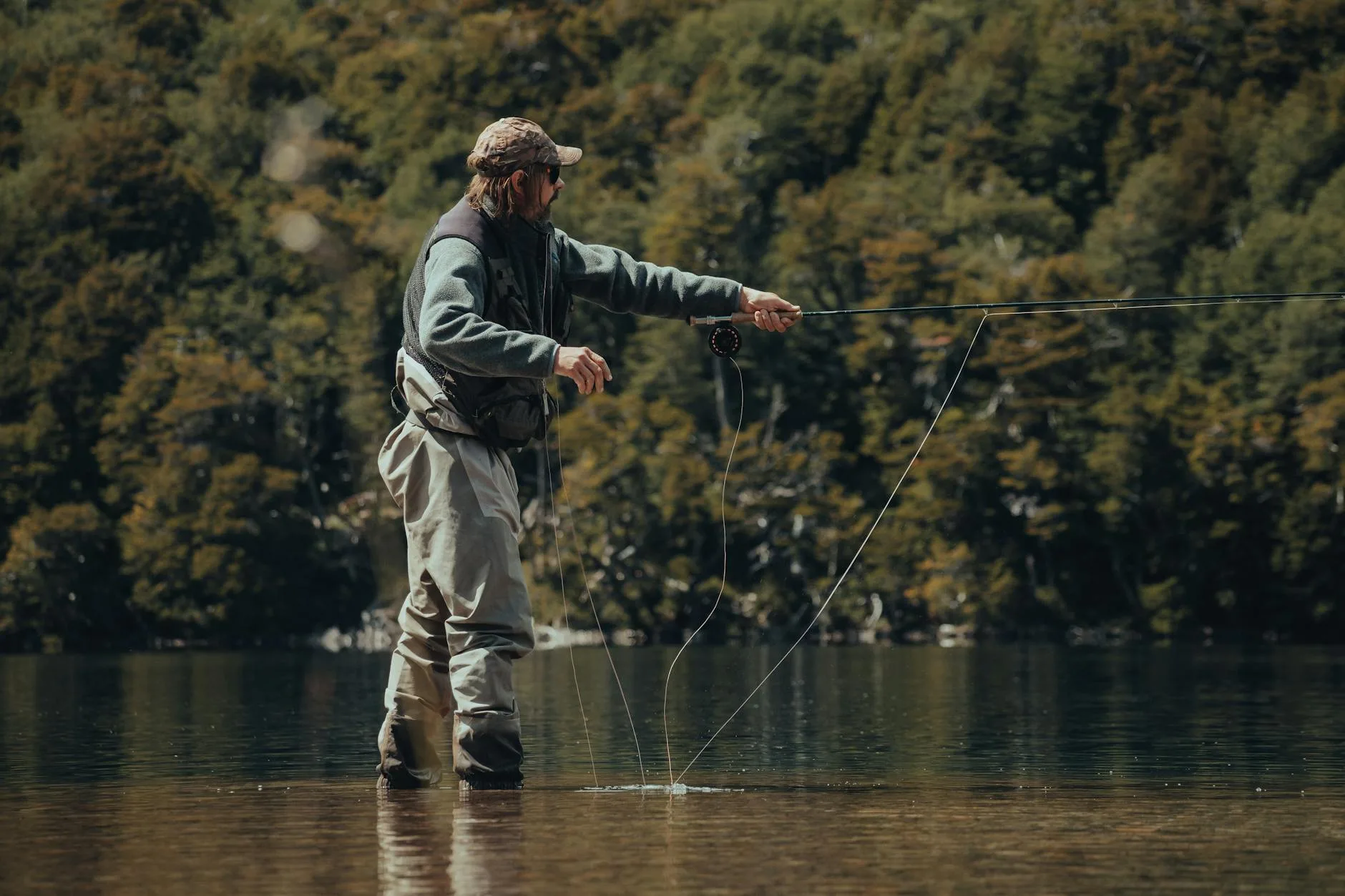
Here’s the move that veteran Montana fly anglers make every spring without apology: they park the waders, grab a float tube or pontoon, and head to stillwater.
A recent thread on r/flyfishing lit up when someone posted a photo of a genuinely impressive trout — a thick, heavy fish that hammered a size 12 hare’s ear fished under a small pink egg indicator on still water. The comments rolled in fast. The consensus was clear: stillwater fly fishing is seriously underrated, and spring is when it absolutely shines. For Montana anglers, that’s not just a Reddit opinion. It’s a six-week window that separates the people catching fish right now from everyone else sitting on the bank complaining about runoff.
Why Lakes and Reservoirs Are Better Right Now
When rivers blow out, the food chain in Montana’s lakes and reservoirs is just waking up. Ice-out on Canyon Ferry typically wraps up in late March to early April, and that transition triggers one of the most productive trout feeding events of the entire year. Hauser and Holter, strung together along the Missouri River corridor north of Helena, fish strong through April and into May — often producing double-digit days for anglers who understand what’s happening beneath the surface.
Here’s the biology: as ice recedes and surface water warms toward 50°F, trout that have been holding deep all winter start moving into the shallows. They’re feeding aggressively on chironomids — midges in their pupal stage — which hatch in massive numbers during this transition. These fish are actively looking for food, and they’re stacked in predictable locations if you know where to look.
Reading Thermal Layers at Ice-Out
The biggest mistake stillwater beginners make in spring is fishing too deep or too shallow. Right after ice-out, target the 8-to-18-foot zone along wind-exposed shorelines and points. Wind pushes warmer surface water — and the insects and plankton it carries — to the downwind bank. On Canyon Ferry, that often means the rocky eastern shorelines near Chinaman Coulee and the White Earth area produce earlier than the protected coves on the western side. Honestly, most guys never figure that out and spend half their morning working the wrong bank.
On Holter, focus on the upper arms where the Missouri current introduces slightly warmer water. Trout and kokanee salmon stage in these transitional zones as temperatures stabilize. On Hauser, the upper reservoir near York Bridge Road sees early insect activity and draws rainbows and browns out of the deeper water by mid-April.
The Chironomid Rig — Get This Right
If you fish one method this spring, make it a chironomid rig under an indicator. It’s deadly simple and devastatingly effective. Use a small, low-profile indicator — a 3/4-inch Thingamabobber or a small Airlock. Keep it subtle. Spooky spring fish in flat, clear water will reject a setup that looks wrong. Set your fly 1 to 2 feet off the bottom; in 12 feet of water, that means running 10 to 11 feet of leader below your indicator. This is where most anglers under-set their depth, and it costs them fish all day long.
For flies, black and red chironomids in sizes 14–18 cover 90% of your situations at Canyon Ferry and Holter. Carry a few zebra midges and blood midges. A Mercury Midge in size 16 is a consistent producer on Hauser. As for motion — slow, deliberate lifts of the rod tip every 30 to 45 seconds. Pupae rise toward the surface slowly, so mimic that. The strike typically comes as a twitch or a subtle sideways drift of the indicator. Don’t set too hard. You’ll lose fish.
Leech Patterns When the Wind Picks Up
Not every spring stillwater day is calm enough to indicator fish. When the wind rolls across Canyon Ferry — and it will, because this is Montana — switch to a full-sink or sink-tip line and strip a leech pattern through the shallows. A size 8 or 10 Woolly Bugger in black or olive, or a Balanced Leech on a jig hook, retrieved with an irregular strip-pause motion, will absolutely hammer fish cruising the weed edges. Don’t be afraid to go big on leeches in early spring. Pre-spawn browns and rainbows are eating hard, and a caloric mouthful is exactly what they’re looking for.
Gear and Access Notes
A float tube or two-person pontoon is ideal for most of these fisheries. Canyon Ferry has multiple public boat ramps managed by the Bureau of Reclamation — White Earth and Yacht Basin are the most accessible for float tubers on the south end. Holter Lake access is available at Log Gulch Campground, which typically opens by late March. All three reservoirs require a valid Montana fishing license; nonresident licenses run $111 for the season in 2026. Canyon Ferry has no special regulations in the main reservoir, but pull up FWP’s current regulations summary before you launch, especially near designated spawning areas around the dam. Worth a two-minute check to avoid a headache.
- Canyon Ferry: White Earth and Yacht Basin ramps; rocky eastern shorelines near Chinaman Coulee fish early
- Holter Lake: Log Gulch Campground access; focus the upper arms near Missouri inflow
- Hauser Lake: Upper reservoir near York Bridge Road; rainbows and browns active by mid-April
The rivers will come back. The Gallatin will clear, the Madison will drop, and by June you’ll be back on your favorite gravel bar like nothing happened. But for the next four to six weeks, the smartest trout anglers in Montana are already on the water. They’re just not on the rivers. Grab a float tube, tie on a chironomid, and go find your own hawg.
Montana's outdoor week, in your inbox at 7am Friday.