
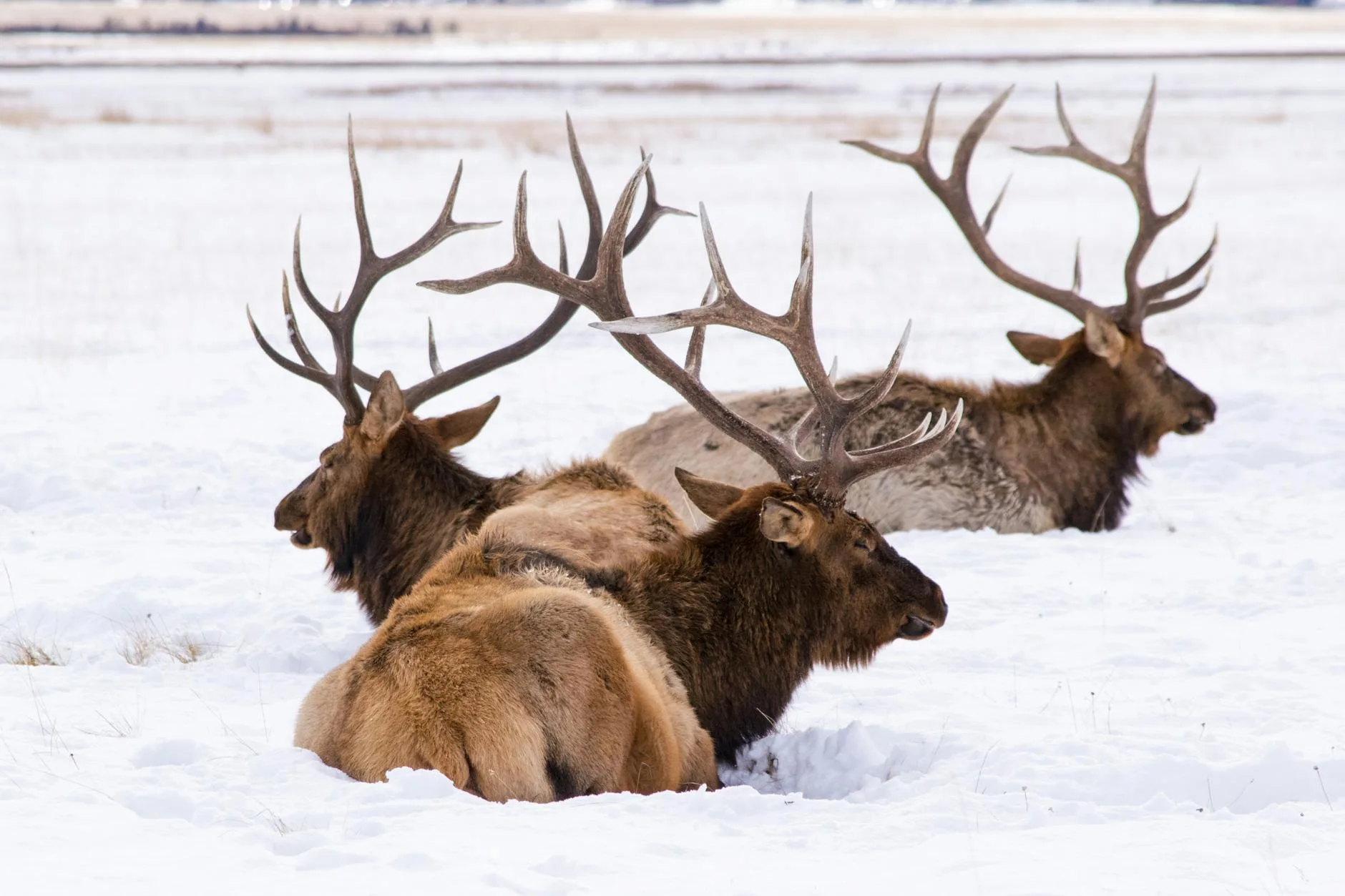
Wyoming Game and Fish is restructuring elk, deer, moose, and antelope seasons for fall 2026 — and if you’ve ever pointed a rifle toward the Wyoming border or drawn a nonresident tag in Bridger-Teton country, you need to pay attention right now. What’s happening down in Cheyenne and Jackson isn’t just Wyoming’s problem. It’s a preview of the regulatory pressure building right here at home, and Montana’s own FWP draw deadline hits April 1.
What Wyoming Is Actually Changing
Wyoming Game and Fish held a public open house on March 19 in Jackson to walk hunters through proposed adjustments to big game seasons across multiple species. The department’s spokesperson called them “small changes spanning multiple species” — but in wildlife management, small changes have long tails. Last year, a proposed quadrupling of ewe tags in the Gros Ventre bighorn herd nearly blew up the ram hunt before managers walked it back. Small on paper. Significant on the ground.
The Jackson Elk Herd — one of the most closely watched elk populations in the Northern Rockies — has been in a multi-year slump, and Game and Fish spent 2025 trying to fine-tune hunting pressure between two distinct migration segments: long-distance migrants that summer in Yellowstone and the Teton Wilderness, and short-distance migrants that summer on the West Bank of the Snake River. Expect 2026 seasons to keep threading that needle, likely with tighter restrictions on long-distance animals and continued effort to reduce the swelling short-distance segment.
Wyoming’s Game and Fish Commission takes up final season approval April 21–22 in Riverton. If you’re planning a Wyoming nonresident elk or deer hunt this fall, watch that meeting closely.
Why Montana Hunters Should Care
The Yellowstone ecosystem doesn’t stop at the state line. Elk that summer in the Absaroka-Beartooth Wilderness south of Billings and Livingston, or along the Madison Range near Ennis and West Yellowstone, are biologically tied to the same population dynamics Wyoming managers are wrestling with along the Gros Ventre and upper Snake. When Wyoming tightens pressure on long-distance migrants wintering on the National Elk Refuge, some of those animals shift their winter range north — which directly affects what hunters encounter in Park, Gallatin, and Madison counties.
Honestly, the hunters most exposed to this are the ones splitting their fall between southwestern Montana and northwestern Wyoming — a common pattern for outfitters working out of Gardiner, Cooke City, and Dillon. If Wyoming shortens or adjusts its general season dates around the Teton and Bridger-Teton drainages, that changes when pressure shifts north into Montana’s Border WMUs. You need to build your 2026 calendar around both states’ season structures at the same time, not one after the other.
Montana’s Own Process — And Your April 1 Deadline
Montana FWP’s elk rule comment period just closed, but the draw application deadline is April 1, 2026 — two weeks out. Before you lock in your Montana elk applications, a few things deserve your attention right now.
Start by checking the 2026 Montana elk drawing odds and quota changes. FWP adjusted antlerless elk permits in several southwestern districts this year, including units in the Gravelly Range and the upper Ruby drainage, based on herd composition data collected last winter. From there, cross-reference your target WMU with current winter range conditions — the Bitterroot, Blackfoot, and Sun River drainages all showed above-average elk numbers on winter range through February 2026, which typically means strong permit demand and tighter drawing odds in April.
- If you hunt near Yellowstone’s northern boundary — the Paradise Valley, upper Shields River, or the Tom Miner Basin — monitor both Montana and Wyoming season structures. Elk from the Northern Yellowstone Herd cross that boundary regularly, and season timing in both states shapes when and where those animals face pressure.
- Wyoming nonresident applications are also due soon. If you want a crack at the Teton, Gros Ventre, or Hoback country, confirm Wyoming’s nonresident draw deadline — it typically falls in the same window as Montana’s.
The Bigger Regulatory Trend to Watch
Both states are wrestling with the same underlying problem: elk herds that are increasingly segmented by behavior, migration distance, and habitat use. The old model of managing a herd as one unit with a single set of season dates is giving way to something more granular. More complicated for hunters to track, full stop.
Wyoming’s explicit effort to manage long-distance versus short-distance migrants as separate population segments is the leading edge of a management philosophy that Montana FWP has been drifting toward in the Yellowstone and Madison drainages. In my experience watching these rule cycles, Montana isn’t far behind. Don’t be surprised if you see more targeted, geographically specific antlerless permits proposed in the next two or three rule cycles up here.
What to Do Before April 1
Pull up your Montana elk application, review which WMUs you’re targeting, and cross-check the current FWP quota tables at fwp.mt.gov. If you hunt the border zone between Beaverhead-Deerlodge National Forest and the Wyoming line, or you’ve been pairing Wyoming nonresident tags with your Montana general license, block out time this week to map both states’ proposed season frameworks side by side.
The hunters filling tags in fall 2026 are the ones doing this homework in March. Wyoming just showed you what that process looks like when you actually show up.
Montana's outdoor week, in your inbox at 7am Friday.