
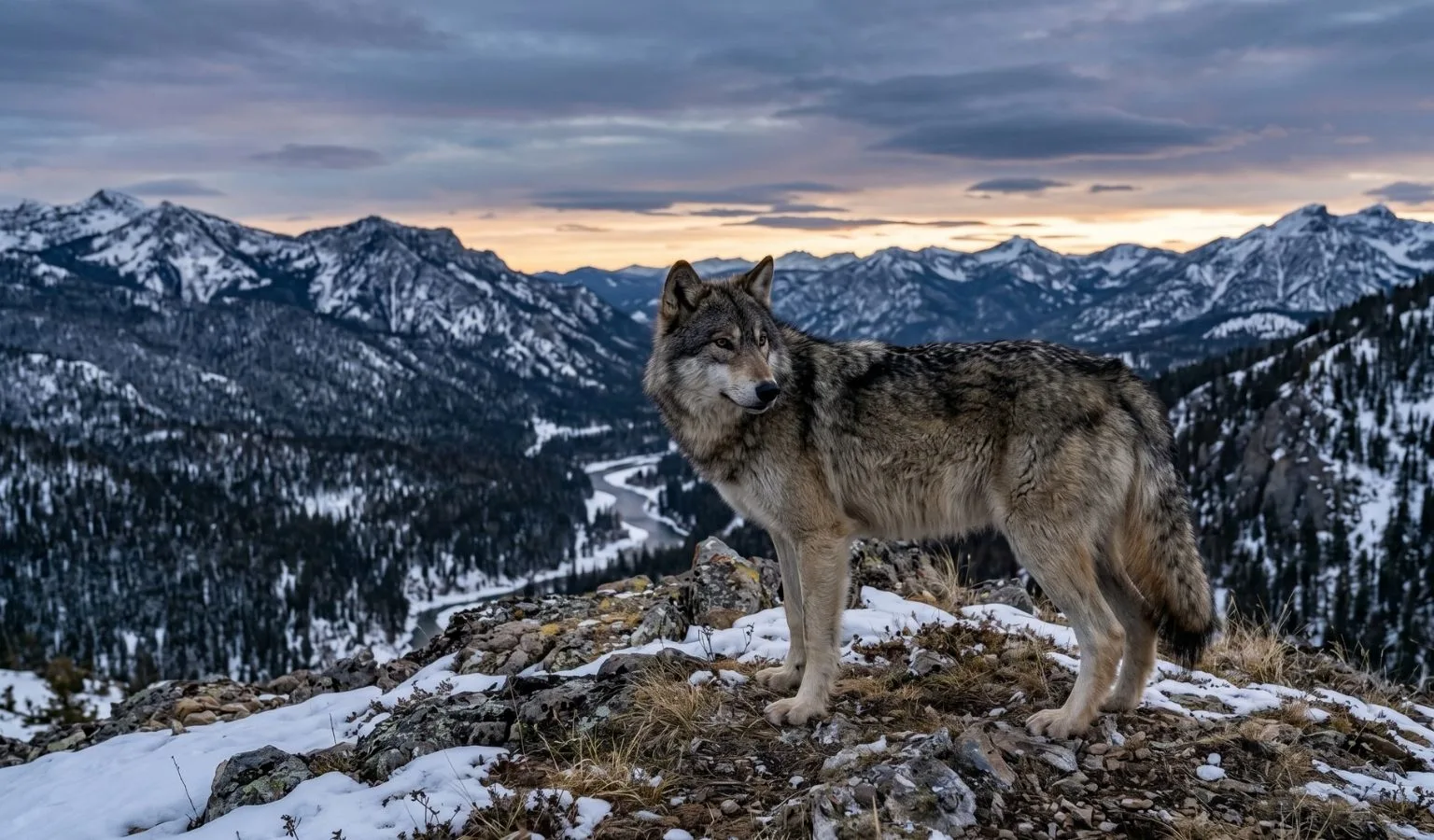
The current landscape of wolf management in North America is a tale of two jurisdictions. While Idaho, Montana, and Wyoming have successfully transitioned to state-led management, wolves in the Great Lakes region remain protected under the Endangered Species Act (ESA). Author Charlie Booher suggests via the Boone and Crockett website that we have entered a new era beyond total eradication or wholesale protection; however, the “delisted” status of Western wolves remains fragile as the U.S. Fish and Wildlife Service conducts ongoing status reviews.
To maintain local authority, organizations like the Boone and Crockett Club advocate for management plans rooted in rigorous science and Fair Chase ethics. CEO Tony Schoonen emphasizes that states must justify wolf population controls through measurable data regarding livestock loss and big game health. For state agencies to keep federal oversight at bay, they must prove that they can manage a recovered species professionally, ensuring that removal actions are both humane and strategically necessary.
Ultimately, the goal is to modernize wildlife conservation policies to reflect 21st-century science. The Boone and Crockett Club supports the ESA as a vital tool but argues for updates that prioritize species restoration over litigation. By integrating wolves into the broader framework of state-regulated wildlife, stakeholders aim to find a stable equilibrium that protects ecosystems, supports agricultural interests, and preserves the highest standards of North American sportsmanship.
At the end of the day, it’s all about states proving they can handle the “big leagues” of wildlife management without the feds looking over their shoulder. The Boone and Crockett Club’s message is pretty clear: if you want to keep the power in local hands, you’ve got to play it smart, stay ethical, and use actual science instead of just vibes. Wolves are officially part of the neighborhood now, and keeping them off the “endangered” list depends on states showing they can be responsible chaperones for one of the most controversial guests in the ecosystem.
Montana's outdoor week, in your inbox at 7am Friday.