
It’s a classic tale of “too many cooks in the kitchen,” or in this case, too many boats on the lake.
Whether you’re in Wisconsin or Montana, whenever you have competing interests—tribal sovereignty, state jurisdiction, and a bunch of anglers just trying to catch a limit—you’re bound to get some turbulence.
Think of it like the legal friction surrounding the Big Horn River back in the day, or the long-running debates in Montana over who gets to call the shots on river access and fish management within reservation boundaries. Just as Montana has navigated the “joint management” waters—often after years of heated disagreements—Wisconsin is currently doing its own version of that dance. Both scenarios boil down to the same tricky question: When a fish population is hurting, who has the authority to tell the public to stop casting?
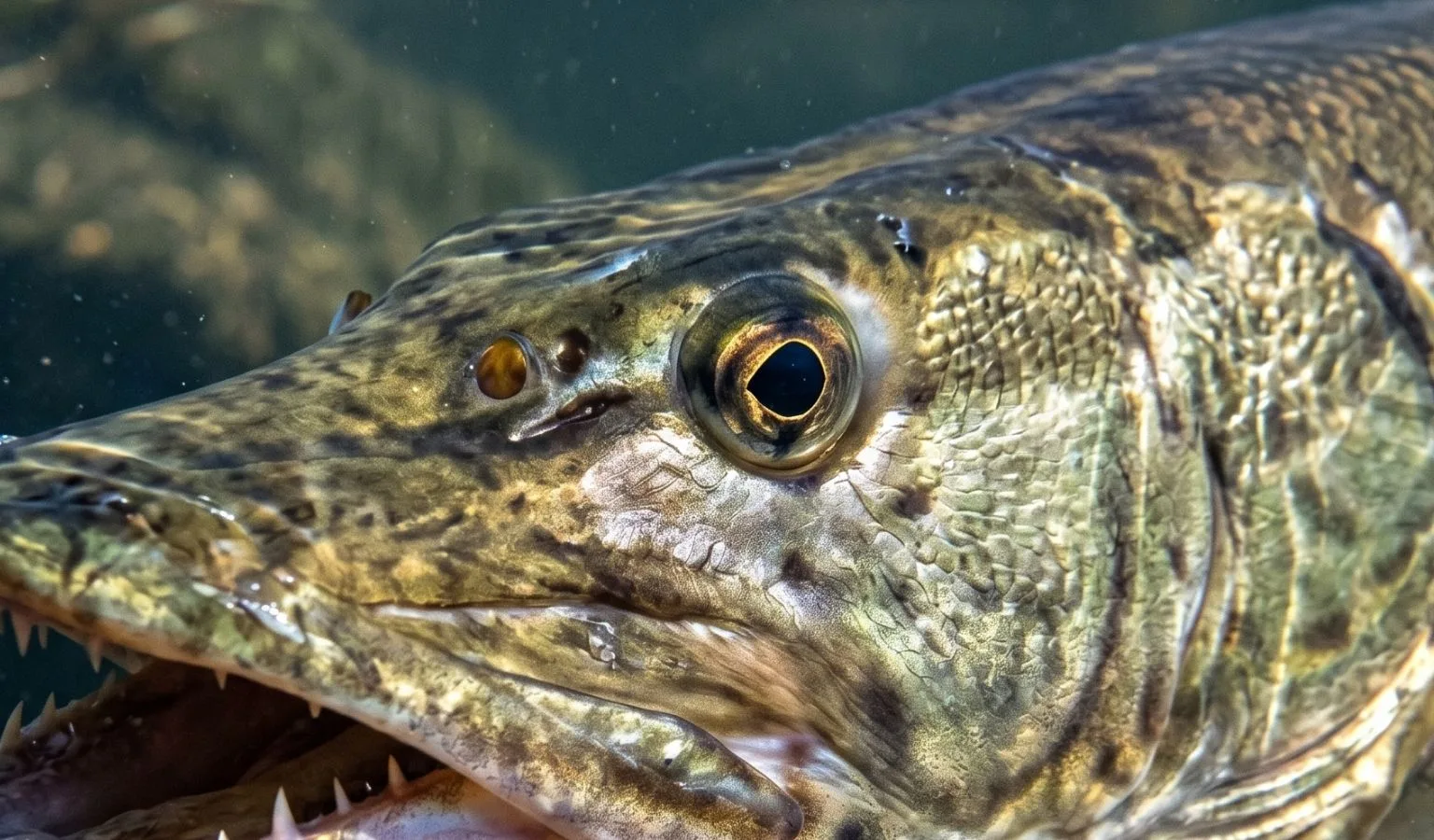
The Lac du Flambeau tribe is basically pulling the “emergency brake” on fishing to save their walleye and muskies, while the state is arguing that only the DNR has the keys to that bus. It’s a jurisdictional tug-of-war that any Montanan who has followed local fights over stream access or tribal resource management would recognize instantly.
Given that conservation goals often align between tribes and the state, do you think moving toward more “joint-management” models, like what we’ve seen evolve in Montana, is the inevitable solution for these conflicts, or will we keep seeing these courtroom showdowns every time a fish population dips?
Read the full story here by OutdoorLife.
Montana's outdoor week, in your inbox at 7am Friday.