
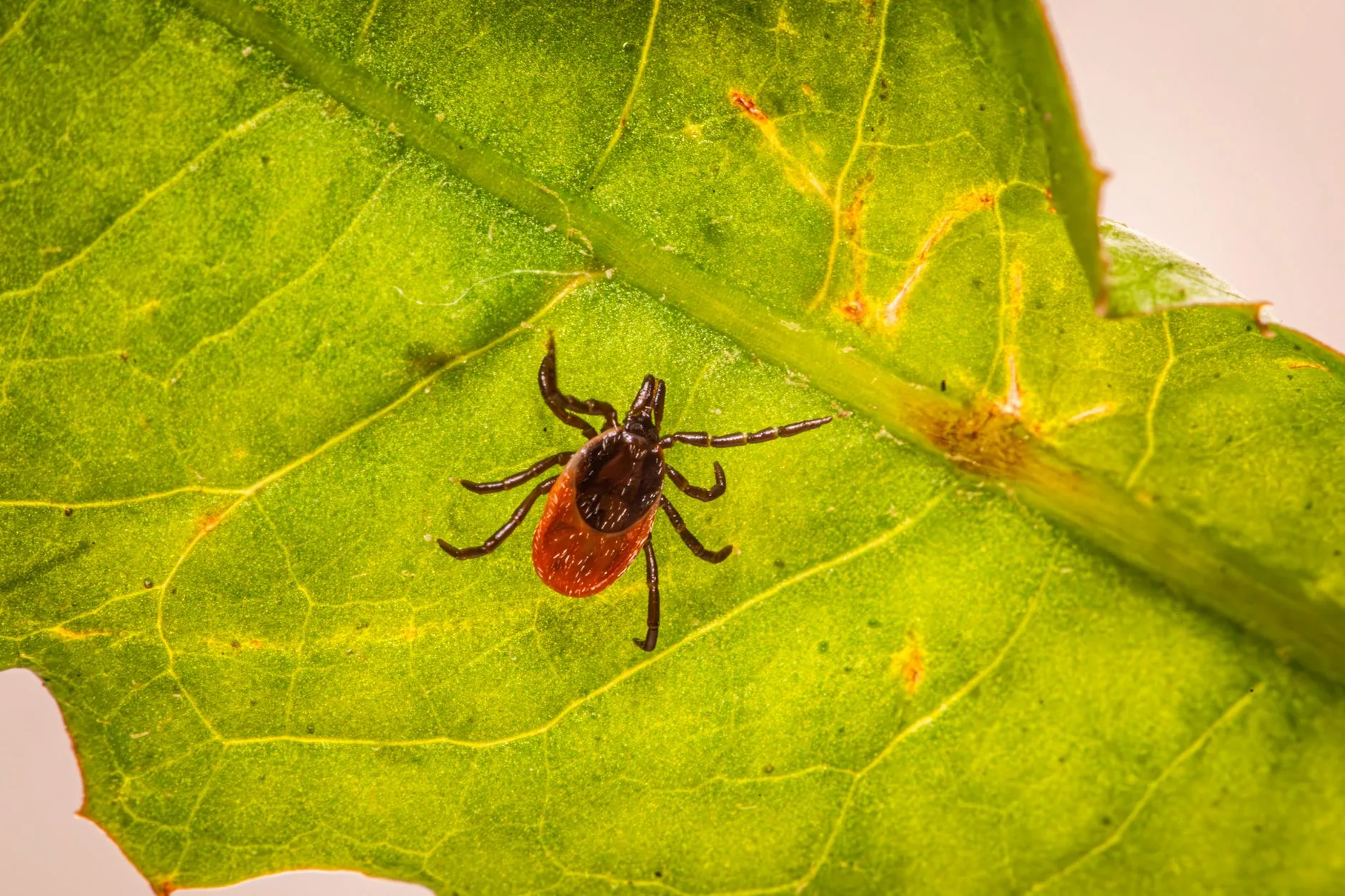
If you’ve spent any time in Montana’s timber, river bottoms, or grasslands between April and July, you’ve probably pulled a tick off yourself — or found one in a place you’d rather not mention. Most of us shrug it off, toss the little blood-sucker, and move on. But that casual attitude can get you into serious trouble. Tick-borne illness is real in Montana, it moves fast, and the window between symptoms and a hospital stay can be measured in days.
Here’s a quick overview worth watching before your next trip out:
Montana’s Tick Species and the Diseases They Carry
The Rocky Mountain wood tick (Dermacentor andersoni) is the species you’re most likely to encounter in Montana, and it’s the one that deserves the most respect. According to the Montana Department of Public Health and Human Services (DPHHS), this species is the primary vector in the state for two confirmed diseases: Rocky Mountain Spotted Fever (RMSF) and Colorado Tick Fever. RMSF in particular is nothing to take lightly — it can turn fatal within days of symptom onset if not treated with the right antibiotics promptly. Early symptoms mimic the flu: fever, headache, muscle aches. A spotted rash typically appears two to four days in, but not always. If you’ve had a recent tick bite and those symptoms show up, tell your doctor immediately — that detail changes the treatment approach entirely.
Colorado Tick Fever is less severe but still knocks you flat for a week or two with fever, fatigue, and body aches. There’s no specific treatment beyond supportive care, so prevention is your only real play.
Lyme disease gets more media attention than it probably warrants in a Montana context. The CDC and DPHHS both note that Montana has a low-to-moderate Lyme risk compared to the Upper Midwest and Northeast, primarily because the black-legged tick (Ixodes scapularis), the main Lyme vector, has a limited established range in the state. That said, tick ranges are shifting with changing habitat conditions, and it’s worth staying informed rather than dismissing the risk outright. Check the CDC’s tick surveillance data for updated distribution maps as seasons change.
Where You’re Most Exposed in Montana
Peak tick activity runs roughly April through June, which lines up directly with spring turkey season, early bear season, and the start of fishing access on most of Montana’s blue-ribbon rivers. Rocky Mountain wood ticks thrive in brushy transition zones — think the willow-choked banks of the Bitterroot, Clark Fork, and Big Hole, the cottonwood river bottoms along the Yellowstone and Missouri, and the timbered coulees that cut through eastern Montana’s prairie breaks. Upland bird hunters working CRP edges and creek drainages in Phillips or Blaine County are walking through textbook tick habitat. Early-season bear hunters and shed hunters pushing into the lower-elevation timbered slopes of the Bob Marshall Wilderness or the Garnet Range are equally exposed.
Elevation offers some buffer — ticks thin out significantly above 7,000 feet — but most of Montana’s high-traffic hunting and fishing access points sit well below that threshold during spring.
Practical Tick Safety for the Field
None of this requires changing how you hunt or fish. It just requires a few consistent habits:
- Treat your gear with permethrin before the season. Apply it to boots, pants, and outer layers and let it dry fully before use. One treatment lasts through several washes and is far more effective than DEET alone against ticks.
- Wear light-colored clothing. It sounds simple, but a tan or khaki pant leg makes a crawling tick easy to spot before it finds skin.
- Do a full body check every evening in camp. Ticks prefer warm, hidden spots — behind the knees, groin, armpits, scalp, and behind the ears. A headlamp and a mirror cover most of it.
- Remove embedded ticks correctly. Use fine-tipped tweezers, grab as close to the skin as possible, and pull straight out with steady pressure. Don’t twist, don’t use heat, don’t use petroleum jelly. Clean the bite site with alcohol or soap and water. Note the date you removed it.
- Watch for symptoms for up to three weeks. Fever, rash, headache, or muscle aches following a tick bite warrant a call to your doctor — mention the bite date and location.
Montana Fish, Wildlife & Parks and the DPHHS both publish updated tick safety resources each spring. It takes five minutes to check them before a major trip, and that’s five minutes well spent. Montana’s public lands are worth every mile you put into them — just don’t let something as preventable as a tick bite be the reason a trip ends early or worse.
Montana's outdoor week, in your inbox at 7am Friday.