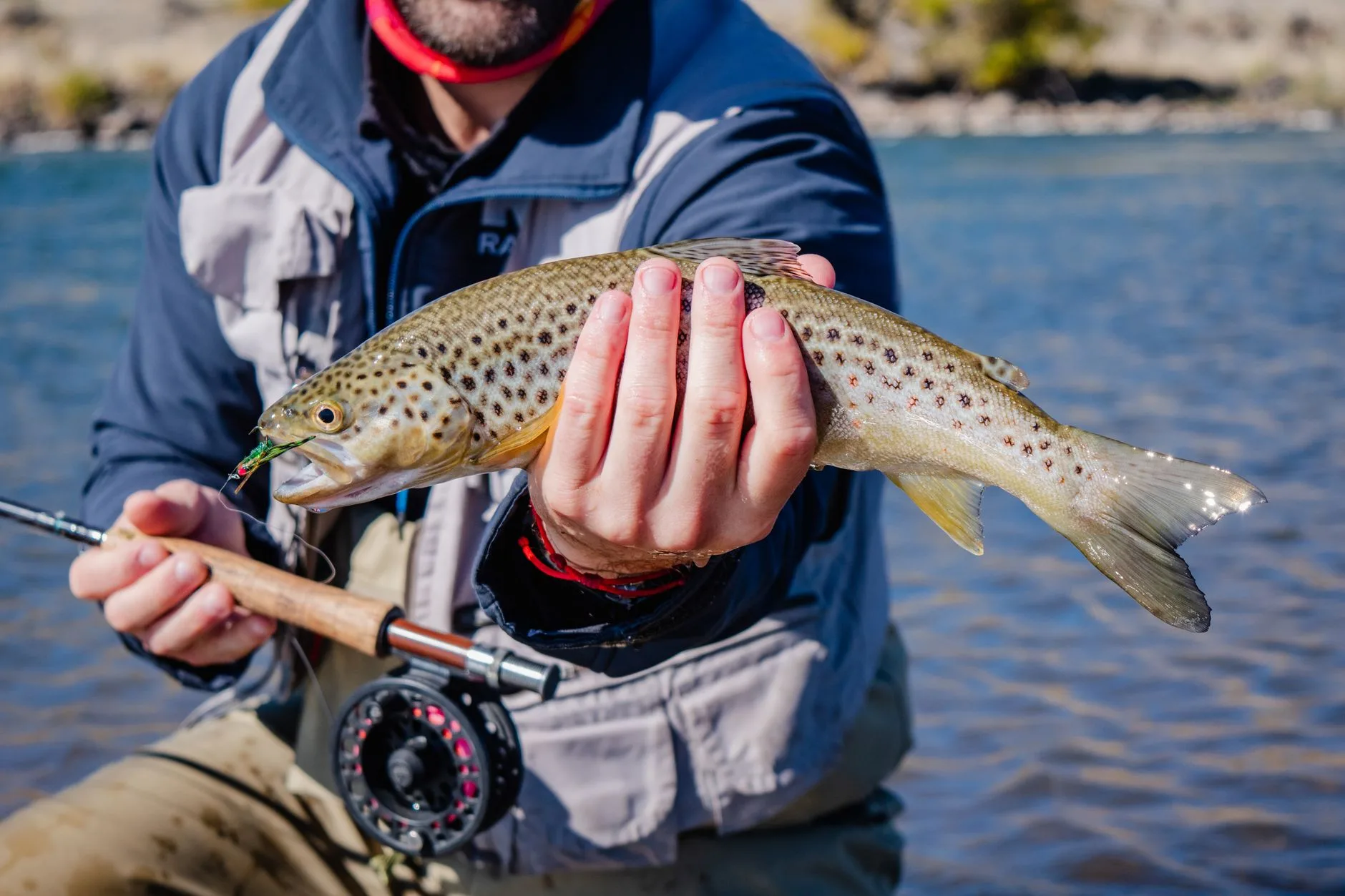
If you’ve ever walked away from a day on the Madison or the Gallatin scratching your head — water looked perfect, bugs were moving, fish were clearly visible — there’s a decent chance one of these five mistakes is the reason your net stayed dry. A guide with a decade of experience on Montana’s best trout water breaks down the errors he sees repeated most often, and the video below is worth watching before your next float.
Nymphing accounts for the majority of trout landed on Montana rivers across most of the season — and it’s also the technique most anglers half-learn and never revisit. Here’s a breakdown of the five mistakes covered in the video, plus some Montana-specific context for each one.
1. Wrong Depth, Wrong Drift
On big water like the Missouri below Holter Dam or the lower Gallatin through the canyon, anglers consistently fish too shallow. Your flies need to be in the strike zone — typically within six to twelve inches of the bottom — and that zone changes constantly as you move through a run. If you’re not occasionally ticking bottom or hanging up on structure, you’re probably not deep enough. Adjust your indicator depth aggressively and don’t be afraid to lose a few flies. That’s what you’re out there for.
2. Ignoring Weight Distribution
Split shot placement matters more than most people think. Stacking all your weight at the knot above your first fly creates an unnatural pivot point that throws off the drift of both flies. Distribute weight along the leader based on current speed and depth. On slower side channels — the spring-fed braids of the Bitterroot come to mind — you may need far less weight than you think, and a lighter, more natural drop gets takes that a heavily weighted rig never would.
3. Not Mending Enough — Or Mending Wrong
One upstream mend at the start of a drift isn’t a mending strategy, it’s a habit. On the upper Yellowstone or the Big Hole, where current speed varies dramatically across the width of a run, you may need to mend multiple times through a single drift just to keep your indicator from dragging and pulling your flies off course. Mend early, mend often, and think about where your fly line is sitting on the water, not just where your indicator is tracking.
4. Leader Length That Doesn’t Match the Water
This is one of the most common and least-discussed problems. A lot of anglers set up a standard leader and leave it there all day regardless of what the water is doing. In the deep, fast runs that open-access sections of the Madison see through early summer runoff, you may need a longer leader to get flies down before the current blows them out of the zone. In shallower freestone water, that same setup will drag bottom constantly and kill your presentation. Match leader length to the specific run you’re fishing, not to the river in general.
5. Moving Through Water Too Fast
Montana’s public access system — maintained through FWP’s stream access law, which allows wade fishing on most waterways to the high-water mark — gives anglers access to some genuinely world-class water. The problem is a lot of people burn through it. They make a few drifts, see nothing, and move on. On pressured tailwaters like the Missouri, where browns get educated fast and feeding windows are short, slowing down and thoroughly covering a single piece of water almost always outperforms covering lots of ground. Fish a good run until you’ve put every realistic drift through it before you move on.
One Fix Changes Your Day
Montana’s wild trout — particularly the brown trout on pressured tailwaters — are not forgiving of sloppy presentations, and they didn’t get big by eating something that didn’t look right. The good news is that these mistakes are all fixable on the water once you know what to look for. Address even one or two of them and you’ll start to notice the difference. Fix all five and you become the angler other people watch from across the river and quietly resent.
Watch the full breakdown in the video above and get into it before your next trip out.
Montana's outdoor week, in your inbox at 7am Friday.