
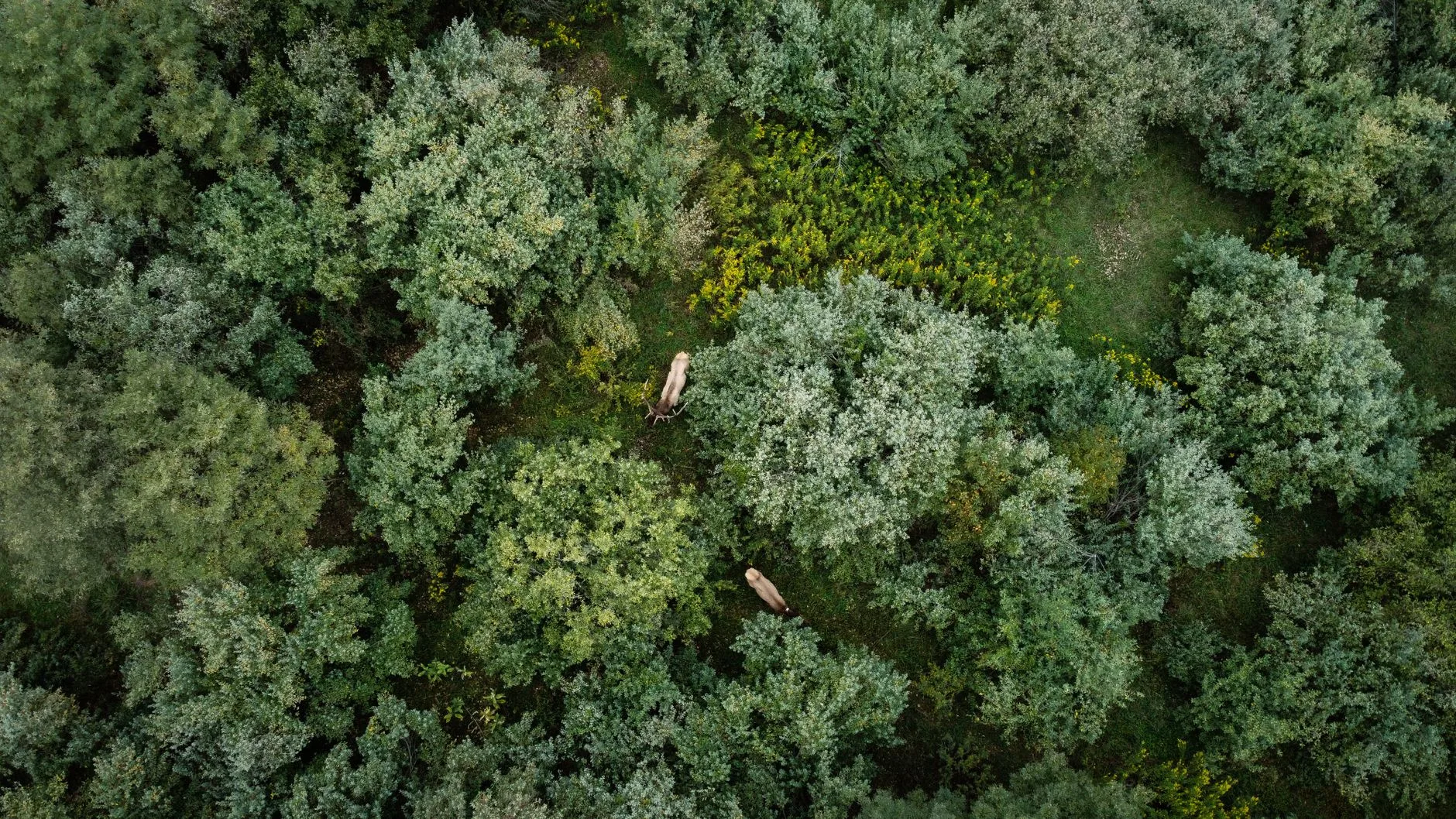
Most elk hunting advice assumes you’ve got a ridgeline to glass from. But if you’ve ever hunted the dense lodgepole drainages of western Montana — say, the Lolo National Forest, the Kootenai, or the timbered slopes of the Bitterroot — you know that the standard spot-and-stalk playbook falls apart fast when you can’t see more than 40 yards in any direction. That’s exactly the problem Backbone Unlimited tackles head-on in this video, and it’s one of the more practical pieces of elk hunting content you’ll find this side of an outfitter’s wall tent.
Montana’s general elk season runs through late November, and a big chunk of the state’s huntable elk country is exactly the kind of thick, dark timber this video addresses. Once the rut winds down in October and hunting pressure pushes bulls off the open parks and meadows, those animals disappear into the nastiest, most tangled country they can find. That’s where a lot of hunters simply give up and head home. Learning to hunt timber on elk’s terms — using wind, thermals, sign, and sound rather than your eyes — is what separates people who fill tags in tough years from people who eat tag soup.
Montana’s over-the-counter general elk tag gives you access to a lot of that country on public land, but access alone doesn’t punch a tag. Here are a few takeaways worth applying before you head into the timber this fall.
Hunt the Corridors, Not the Openings
In open country you find elk with your binoculars. In the timber, you find them with your boots — before the season. Elk in dense drainages like the Swan Valley or the upper Blackfoot corridor move along predictable paths: benches just below ridgelines, creek bottoms with thermal cover, and the edges where old burns meet standing timber. Scouting these transition zones in August, when you can still cover ground without burning your season, pays off far better than showing up blind on opening weekend. Look for tracks in creek mud, fresh rubs on small-diameter fir, and the oval depressions of fresh beds on north-facing slopes.
Thermals Run the Show
In the Bitterroot or along the drainages feeding into the Clark Fork, thermals are more predictable than the wind. Cold air drains downhill in the morning and pulls uphill as the day warms — which means elk bedded on north-facing slopes above you will smell everything that moves below them once the air starts rising. Hunt into thermals, not just into the wind. If you can’t get above elk in the timber, approach from the side and keep moving. Stationary hunters in lodgepole get winded almost every time.
Call Less Than You Think You Should
Post-rut bulls in heavy timber are call-shy for a reason — they’ve been harassed for weeks. A few soft cow mews or a single, low-volume location bugle can pull a curious bull into range in October and November, but aggressive calling in pressured country on the Lolo or the Kootenai is more likely to push bulls deeper into the brush than bring them in. When you do call, set up with a shooting lane already picked, your back against a large tree, and your feet pointed toward where you expect the animal to appear. Elk in the timber often materialize at 20 yards without a sound.
Sign Matters More Than Sightings
If you’re hunting the Rocky Mountain Front or the timbered foothills east of Missoula, your in-season scouting loop should prioritize fresh sign over actual animal contact. A torn-up wallow in late October, a rub line running parallel to a bench, or a cluster of tracks at a stream crossing tells you where elk are spending their time without blowing them out of the country. Check the same locations every other day rather than burning through new ground every morning.
With Montana’s archery season kicking off in early September and general rifle season opening in late October, the time to rethink your strategy is now — not the night before opener. Watch the Backbone Unlimited video above, get into your timber unit before the season to look for fresh sign, and start building a plan that doesn’t depend on a clear ridgeline you probably won’t have.
Editor’s note: Corrected the licensing reference: Montana’s over-the-counter general elk tag is not a ‘B tag’ (B licenses are antlerless elk licenses).
Montana's outdoor week, in your inbox at 7am Friday.