
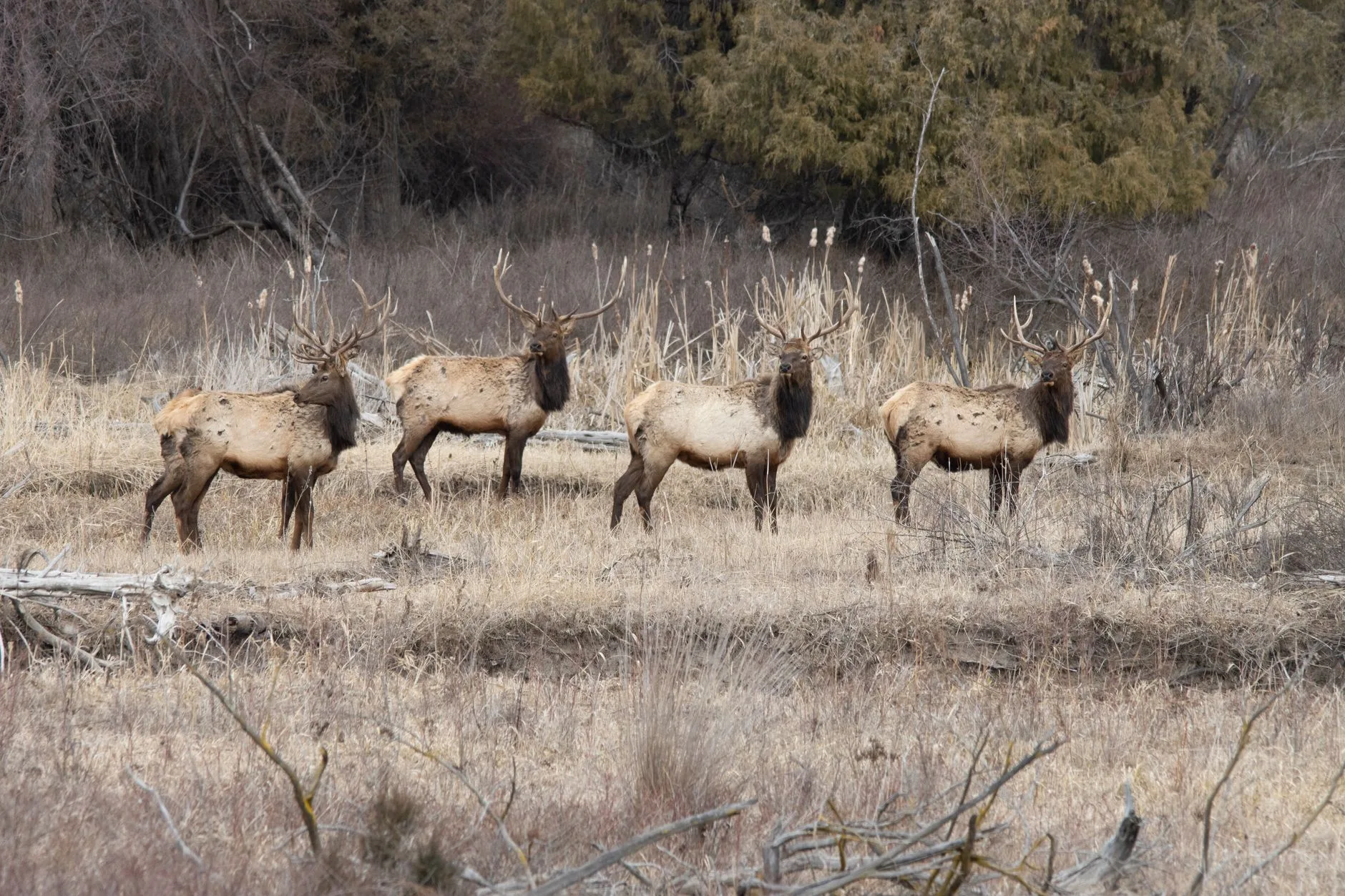
Somebody’s name is making the rounds. Maybe you heard it at the sporting goods counter in Livingston, or saw it in a Facebook thread that went sideways fast. Hold on before you repeat it. In Montana, a citation isn’t a conviction, and a name in a comment section isn’t a court record. Here’s how these cases really move, and how to find out what’s true.
How Montana Elk Poaching Cases Start
Most big cases start with a tip. Montana FWP runs the TIP-MONT hotline (1-800-847-6668), and you can call without giving your name. Tips also come in through FWP’s website, and the Montana Fish and Wildlife Conservation Society pays rewards for information that leads to a conviction.
From there, game wardens go to work on the evidence: gut piles, shell casings, trail camera footage, tag records, social media photos, cell phone data. They’ve built plenty of cases off a hunter’s own Instagram post. A bull photographed with an unvalidated tag will do it. So will a processor who notices an animal that doesn’t match the paperwork. Cases involving a bull elk, a closed area, or night shooting often get handed to county attorneys. Interstate cases can land with federal prosecutors under the Lacey Act.
What Poaching Actually Costs in Montana
The penalties stack up fast, and honestly, most guys who get caught are surprised by how far they reach. First, fines and jail time: misdemeanor wildlife violations carry both, and commercialization or repeat offenses can escalate things. Then there’s restitution. Montana law sets statutory values for illegally taken game, and a trophy bull can carry a figure in the thousands of dollars on top of the fine itself.
Courts can also pull your licenses and hunting privileges for years. And that doesn’t stop at the state line, because Montana belongs to the Interstate Wildlife Violator Compact. A revocation here can follow you into dozens of other states. Then there’s forfeiture. Rifles, vehicles, and the animal itself can all be seized.
Exact amounts depend on the statute, the species, and the court. Check current Montana Code Annotated Title 87 or FWP’s published regulations instead of trusting a number you saw online.
How to Verify a Case and Report a Violation
Want to know whether a specific person was actually charged or convicted? Go to the source. Justice and district court dockets are public, and many counties offer online search. Look for the outcome, not just the charge. FWP and county attorneys also announce significant convictions, so if there’s no release and no docket entry, I’d treat the rumor with a lot of caution. Local papers help too. Reporters in hunting-heavy counties like Park, Ravalli, Powell, and Missoula cover wildlife cases regularly.
If you witness something suspicious, here’s the playbook. Don’t confront anyone. Note the date, time, and location, with GPS coordinates if you can get them. Take photos or video from a safe distance. Write down vehicle descriptions and plate numbers. Then call TIP-MONT right away. Fresh details matter, and wardens can often respond while the evidence is still lying in the field.
The Takeaway
Poaching steals from every one of us, from the public herds on the Gallatin, Bitterroot, and Missouri Breaks to the opportunity we all share on public land. But accountability only works when it’s accurate. Report what you see. Check the court record before you share a name. Let the wardens and prosecutors do the work of proving a case. That’s how the rest of us keep the sport, and the herds, in good standing.
Montana's outdoor week, in your inbox at 7am Friday.