BRETT FRENCH | bfrench@billingsgazette.com
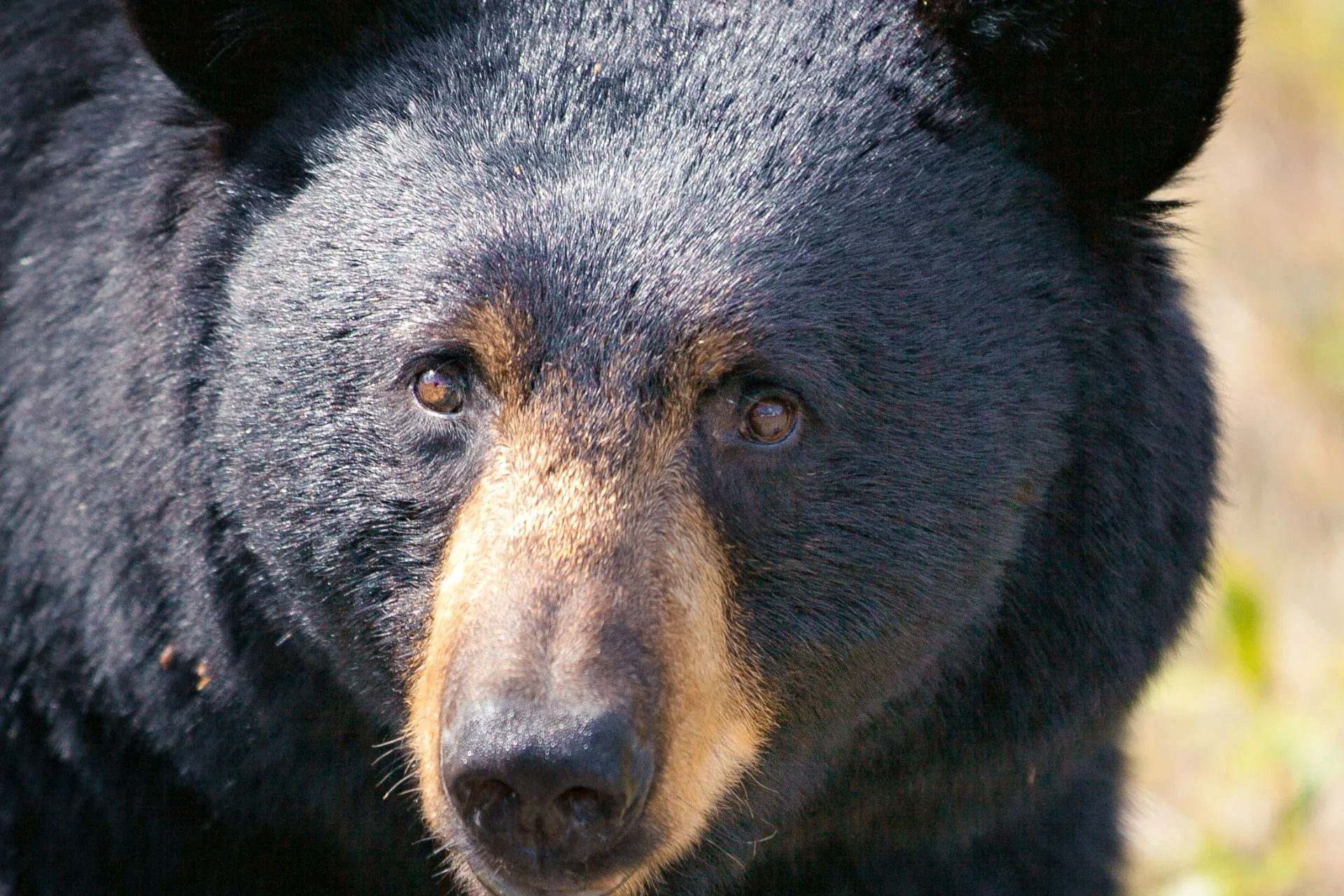
Although black bear populations are declining along the Beartooth Front in south-central Montana thanks to hunting pressure, the Fish and Wildlife Commission agreed on Thursday to add 12 new permits to two hunting districts.
During its biennial season-setting meeting for hunting regulations, the commission also approved the removal of one hunting district that was created two years ago in an attempt to allow later spring bear hunts in the Boulder River Valley, south of Big Timber, due to the high country’s snowy terrain. That district, HD 530, is now reabsorbed into the larger surrounding HD 520.
“Turned out it didn’t work,” said Region 5 commissioner Brian Cebull, who proposed creating the new hunting district.
HD 520 extends from the Boulder River south to the Clarks Fork Yellowstone River. HD 510 covers the very southern portion of the Beartooth Front and reaches into the Pryor Mountains.
Under Cebull’s amendment, hunters can now apply for 10 black bear hunting permits in 520 or two in 510. Hunters would also be allowed to accrue bonus points to help increase their odds of drawing one of the tags.
“Because I think this is going to be a sought-after tag,” Cebull explained.
Kevin Farron of the Montana Wildlife Federation said the permits defeat the purpose of a quota.
“We just feel like if a regional black bear population justifies a harvest quota, hunters should follow that harvest quota and not be allowed to disregard established quotas,” he said.
Black bear details
Currently, all black bear hunting licenses are purchased without a drawing, but hunts close — sometimes quickly — as hunting district quotas for harvest are met. The new permits would not be subject to the quota closure.
“It’s going to be a tag that a hunter can carry and be able to be very, very selective about which bear they shoot,” Cebull said, allowing more older male bears to be killed.
“I will say we are over harvesting females, but again under commission direction to reduce predators,” said Sean Stewart, FWP’s Red Lodge-based wildlife biologist. “But we also want to allow the additional opportunity to hopefully increase harvest of older males during that late, late spring season.”
Last year, 143 black bears were killed in Region 5, 44% of which were females. Across the state, more than 1,600 black bears were killed by hunters in 2024, 36% of which were females.
More than 44,500 hunters bought bear tags, about 2,700 of which were nonresidents. The spring bear season runs from April 15 to June 15. An archery-only season runs from Sept. 5-14 with the rifle season starting Sept. 15 and continuing through Nov. 29.
Region 4
Region 4, which extends from the Musselshell River in the east to the Rocky Mountain Front in the west, saw its largest female black bear harvest ever recorded this past spring, FWP noted, exceeding the previous 10-year average by more than 40%.
In 2024, 243 black bears were killed in the region, 34% of which were females.
Due to higher hunter success in the Little Belts, eastern portion of the Big Belts and Snowy mountains, and nonresident hunter harvest increasing at a greater rate than residents in several hunting districts, FWP decided to chop up the region into four hunting districts to aid in controlling how many bears are killed.
FWP also proposed eliminating the 20% fall archery subquota.
Region 7
In southeastern Montana, FWP increased the quotas for black bear hunting in an attempt to decrease the population.
“The first Region 7 black bear season was implemented in 2006 with a fall quota of two,” FWP noted.
Now the department is increasing the total harvest to 27. Last year, 18 black bears were killed in the region, 33% of which were females. Since hunting first began, 162 bears have been killed.
“Beginning in 2020 harvested females have been the majority of the older age class bears and have been the oldest bears on record in the region,” FWP said.
The agency is studying the population in the southeast corner of the state to better understand how many bears occupy the vast landscape, much of which is privately owned and landowner tolerance of bears is “fairly low.”
“Region 7 game wardens and biologists have received and responded to increasing black bear complaints each year,” FWP wrote. “They have also received more frequent reports of bear sightings from landowners and hunters, further indicating that the black bear population in Region 7 is expanding.”
Region 2

In northwestern Montana’s Region 2, Fish and Wildlife Commission chair Jeff Burrows turned back a department proposal to halt hound hunting of black bears in two areas near where FWP believes grizzly bears range.
Hound hunting is not allowed where grizzly bears are believed to roam to avoid conflicts, an area marked out on hunting maps. FWP hoped to avoid confusion and created two distinct areas west of Frenchtown and near Stevensville to make it easier for hunters, but Burrows said he received calls protesting the change.
“I think a few people found out about it, and they were a little bit upset that we were taking away their little niche area for hound hunting black bears in,” he said. “I think those are relatively predator rich areas for bears.”
FWP’s attempt to simplify the boundary for hunters instead created a lengthy discussion about what Burrows was attempting to do and about the map itself.
Commissioner Ian Wargo of Region 1 also proposed extending the spring hound hunting season to June 15. FWP said it had purposely not allowed hound hunting to be extended to ensure female bears weren’t separated from their cubs, since they are usually the last ones to leave their dens.
Justin Duffy, with the Montana State Houndsmen Association, called the threat unfounded.
“We as houndsmen are a very select group,” added Terry Zink.
Duffy also criticized FWP’s use of its grizzly bear map to restrict where his group can chase bears.
Feature photo via Corey Purchase from Getty Images