
By BRETT FRENCH | french@billingsgazette.com
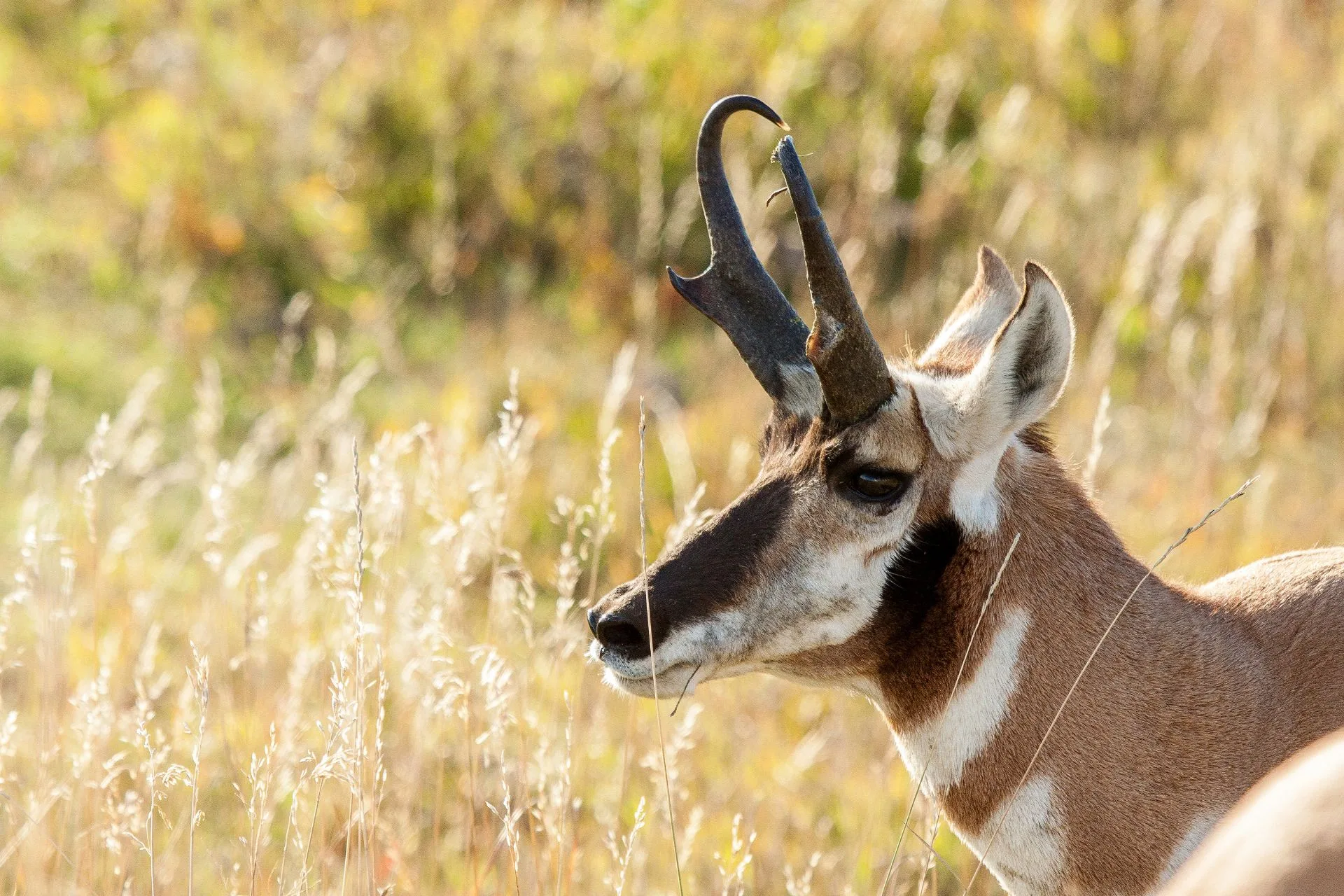
Pronghorn populations in some portions of southwestern Montana have hit record lows, coinciding with archery hunter interest and success in the region skyrocketing.
To compensate, Montana Fish, Wildlife & Parks proposed issuing 500 archery-only pronghorn hunting permits in Region 3 for the next two hunting seasons. At the same time, the agency would remove the region from the statewide pronghorn archery permits.
The Montana Fish and Wildlife Commission agreed to the proposals at their biennial big game season-setting meeting on Dec. 4.
More hunters, fewer pronghorns
There are 22 pronghorn hunting districts in Region 3, however the new license type would only apply to 21 of the districts. HD 313 in the Paradise Valley, south of Livingston, has its own quota of 10 either-sex licenses.
Unlimited archery-only tags for antelope, called 900 series, were established in 1983. Back then, the sport was so niche only 500 licenses were issued, FWP reported in its explanation for the change. By 2007, the number of applicants had climbed to 5,000 and in 2008 a maximum quota of 5,600 was set.
By last year, however, the number of applicants had climbed to 7,000. And in Region 3, up to 1,800 hunters with the 900-20 permit killed an estimated 310 pronghorns in the region.
Archery pressure and success, in combination with other factors, has led FWP to recommend cutting either-sex rifle tags by as much as half, and in some hunting districts rifle hunting opportunity is the lowest it’s been in the last 20 years, the agency said.
Although Region 3 has the lowest population of pronghorns where the 900 series tags are offered — and pronghorn populations have dropped by a third over the past 15 years — it is seeing the highest proportion of the state’s harvest, averaging around 27% in the last 10 years.
Harsh weather to blame
Some hunting districts are seeing historic declines.
In HD 300, southwest of Dillon, record-low fawn to doe ratios were recorded in the 2022 summer aerial survey.
“The minimum count in 2024 was approximately 49% of the long-term average minimum count for this district,” according to information provided by FWP biologist Jesse Newby. “This was followed by a large number of permits failing to fill (75%) during the 2024 hunting season.”
Newby blamed the decline on several years of wide weather swings, from harsh winters to severe drought. In addition, fewer animals are migrating into Big Sheep Basin in the spring, he wrote.
“Two hunters claimed they refused to fill their tag because of concerns for the population,” Newby added.
Likewise, HD 371, between Boulder and Toston, has seen the population fall to about 47% below the desired level. This district may be seeing a loss of habitat, especially to the north, due to more junipers growing in native grasslands, according to wildlife biologist Adam Grove.
In addition to juniper and Douglas fir crowding out native grasslands in nearby HD 390, Grove also noted an unusual circumstance. The hunting district, which runs along the base of the Big Belt Mountains east of Canyon Ferry Reservoir, is mostly private land. There, he’s recorded the annual bowhunter kill of pronghorn bucks in some years, including 2024, exceeding the rifle harvest.
Loss of habitat
Hunting District 311, which extends from Three Forks to Bozeman and from Sixteenmile Creek in the north to Big Sky in the south, has also seen pronghorn populations plummet.
In addition to weather extremes, this population of about 300 animals — down from a peak of 800 in the early 2000s — is also contending with Gallatin County’s population expanding by 30,000 people in the past 10 years.
“Some areas that were antelope habitat have been subdivided,” wrote wildlife biologist Julie Cunningham. “Hunter accessibility to private lands has been reduced, several large block managements have been sold or withdrawn from the program.”
Pronghorn pregnancy problems
West of Butte, in HD 319, and in the Big Hole Valley (HD 318) the deep snows and arctic cold in the winter of 2022-23 may have triggered an especially unusual situation.
When pregnant does can’t get enough food to eat in the spring due to an extended winter, they may resorb their twin fetuses, explained Vanna Boccadori, an FWP wildlife biologist. If that happens when the fawns are close to being born, bones and hooves may get stuck in the mother’s uterus.
“Retained bones and hooves might act as intrauterine devices and prevent subsequent pregnancies for the life of that doe,” Boccadori wrote. “This is likely what is occurring in HDs 318 and 319.”
One bright spot
Conversely, the pronghorn population is doing so well in HD 350 in the Boulder Valley north of Whitehall that Boccadoro recommended increasing the kill over the next two to three years.
“The majority of pronghorn are located on private land which creates a natural level of protection to harvest,” she wrote. “However, there are several ranches in the district that are enrolled in Block Management so hunters do have some but limited access to pronghorn.”
Feature photo: millermountainman from Getty Images