Chronic wasting disease is moving north out of Wyoming’s mule deer herds, and the hunters and outfitters closest to the problem have shown limited engagement with voluntary testing and carcass management — a pattern documented in Wyoming Game and Fish Department outreach reporting. That’s their call. But for Montana hunters drawing cross-border tags, scouting shared migration corridors, or sitting on a mule deer permit application with an April 1 deadline, the spread happening in the Shoshone River drainage and Bighorn Basin country isn’t a Wyoming problem anymore. It’s heading our way. And it may already be closer than you think.
How Close Is “Close Enough to Worry About”?
Northwest Wyoming shares more than a fence line with Montana. Mule deer don’t read boundary markers. Herds that winter along the Greybull River and on the sagebrush flats east of Cody push north into Carbon County and south-central Montana every spring without a second thought. The Pryor Mountains, the Beartooth foothills, the drainages feeding into the Clarks Fork of the Yellowstone — none of that is isolated Montana landscape. It’s the northern extension of the same migration system that Wyoming wildlife managers are watching with growing alarm.
As we know, CWD has already been confirmed in Montana. FWP has documented positive cases in the state’s southeastern corner, particularly in Wibaux, Carter, and Fallon counties near the North Dakota and Wyoming lines — though you should check fwp.mt.gov for current county-level designations, since CWD zone classifications get updated regularly and specific counties can shift between confirmed, suspect, or surveillance status. What’s changed recently is the rate of spread in those Wyoming herds just south of the line — and the documented pattern of low voluntary testing participation down there, with whole carcasses routinely hauled back to camp or home without ever getting sampled.
Montana’s Carcass Transport Rules — Know Them Before You Tag Out
If you’re hunting mule deer in Wyoming this fall — or anywhere in a known or suspected CWD zone — Montana law is specific about what you can legally bring back across the state line. Montana FWP prohibits importing high-risk deer and elk parts from states or Canadian provinces with known CWD. Here’s what you cannot bring into Montana from an affected area:
- Whole carcasses or carcass parts with the spinal column or brain attached
- Heads with antlers still attached where soft tissue — brain, eyes, or unskinned hide — is present
- Spinal columns and vertebrae
- Brain tissue or eyes
- Any meat not cut away from the bone
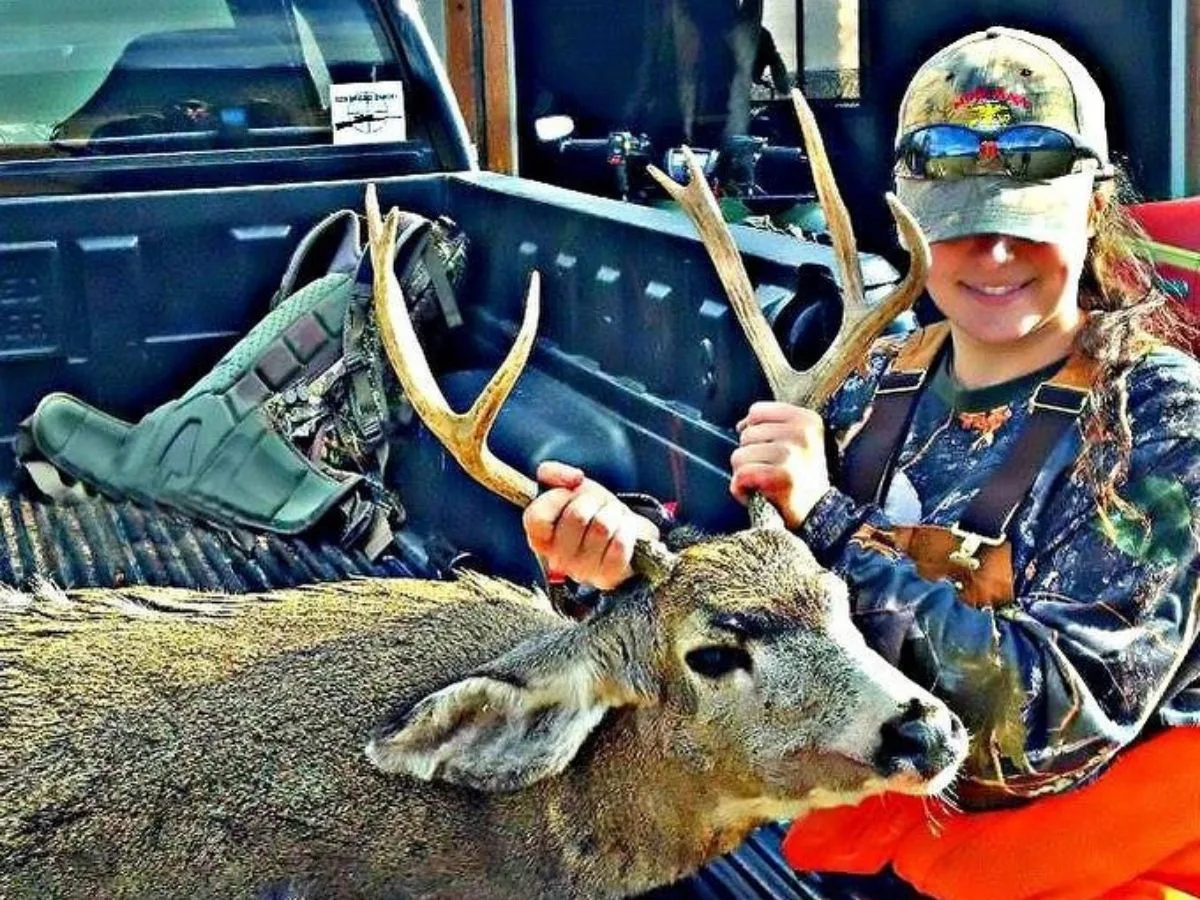
What is legal to bring back: boned-out meat, clean skull plates with antlers attached once all soft tissue is fully removed, finished taxidermy mounts, rawhides and tanned hides, cleaned teeth and hooves. Antlered skull plates can cross the line — but only after the skull has been completely cleaned of soft tissue. The rule is straightforward. Bone out your deer and clean any skull plate fully in the field before you cross back into Montana. Don’t wait until you’re pulling into a check station or dropping the tailgate at a game processor in Red Lodge or Billings to figure this out.
Get Your Animal Tested — Here’s Where
Montana FWP maintains a network of CWD sampling locations and testing is free. If you’re hunting in or near a CWD-positive zone in Wyoming, or anywhere in Montana’s own designated sampling areas — which cover much of southeastern Montana and portions of the Yellowstone drainage — submit a sample. FWP updates its active sampling framework periodically, so verify whether specific drainages like the Musselshell are currently included before planning your submission. The current sampling boundaries are at fwp.mt.gov. Testing costs you nothing but a few minutes, and every sample contributes to the surveillance data FWP uses to track the spread and make management decisions that affect every mule deer hunter in the state.
Depending on your location, sampling means submitting the head or a lymph node sample. FWP regional offices in Billings, Miles City, and Glasgow are your primary contacts for southeastern Montana. Drop-off sites and temporary seasonal kiosks shift year to year based on where the agency is focusing surveillance, so check FWP’s website for the current list before you head out.
What This Means for Your April 1 Permit Application
If you’re applying for a Montana mule deer permit — a general deer B license or a special permit for limited units in places like the Judith Basin, the Missouri Breaks, or the Powder River country — the April 1 deadline is real and it’s coming fast. The permit decision and the CWD conversation are connected. Before you lock in a Wyoming cross-border hunt as a backup or a primary destination, know what unit you’re hunting, what the CWD status of that area is, and whether you’ve got a plan for handling the carcass legally and responsibly before you cross back.
CWD operates slowly, quietly, and then all at once. Ask anybody who watched it move through herds. By the time the herd decline becomes undeniable, the prions have been cycling through the population for years. Montana still has a chance to slow this thing down, and that chance depends on hunters doing the unglamorous work — testing, boning out in the field, following the transport rules — before the problem lands in the breaks or the Beartooths the way it’s already landed south of the line.