Canyon Ferry Fishing Report – June 11, 2026
We survived the deluge! The massive inflows from our recent rainstorms have finally calmed down, though they definitely left the lake with a bit of a muddy hangover. The great news? The fish don’t seem to care. The bite is maintaining its solid momentum, meaning you can still find plenty of success out there if you lean into bright, high-visibility presentations.
The inflows have settled down quite a bit since the crazy rainfall we had, but it wasn’t without making the lake muddy. Regardless, the fishing is maintaining and staying good. Trolling around ponds 1, 2 and 3 is still producing fish. Bright colors are the general first pick. Orange, chartreuse and yellow for bottom bouncers. For crankbaits I would try fire tiger, gold or black/gold or UV bright colors. Perch patterns will still catch though so don’t be afraid to throw those. I have had reports of good shore fishing by the Silos with a bobber and worms, or jigging small paddle tails in perch patterns or bright colors.
North end is still producing trout in the deeper water with deep diving crankbaits. Fire tiger, rainbow trout or silver are the colors I recommend starting with. Troll 1.2mph to 2.5mph and favor the shoreline and structure. I wouldn’t recommend going deeper than 60 feet of water. The other thing to watch for with the spike of heavy inflow is the walleye dispersing across the lake faster. If they have made it to the north end, I like jigging perch patterns on an 1/8oz or 1/4oz jig from shallow water towards the boat into deeper water.
Current Canyon Ferry level is 87.1% full with an inflow of 4100cfs
Understanding the Muddy Water Bite at Canyon Ferry
If you’ve fished Canyon Ferry for any length of time, you know heavy spring inflows are part of the deal. Snowmelt and June rainstorms push sediment-laden water into the upper end of the lake, dropping visibility and temporarily changing fish behavior. What Jonathan is describing here — fish that are still biting despite murky conditions — is actually pretty typical of Canyon Ferry’s resilient fishery. The lake is large enough that fish have room to move, and they often adjust rather than shut down completely.
The key to fishing stained water anywhere, but especially at Canyon Ferry, is contrast. Fish rely more heavily on their lateral line and on any visual contrast they can pick up when turbidity reduces visibility. That’s exactly why Jonathan is emphasizing orange, chartreuse, yellow, fire tiger, and UV-reactive colors. These shades push through murky water in a way that natural, subtle patterns simply can’t. Think of it as turning up the volume on your presentation so fish can find it.
As the lake clears — typically within a week or two of inflows settling down, depending on wind and wave action — you can gradually transition back toward more natural finesse presentations. For now, go loud.
Walleye Fishing: Ponds 1, 2, and 3 Plus the Silo Shore
The area around Ponds 1, 2, and 3 on Canyon Ferry is a reliable walleye zone, particularly through spring and early summer when fish are transitioning off spawning areas and into summer feeding patterns. Trolling bottom bouncers and crawler harnesses or crankbaits through these areas lets you cover water efficiently and dial in the depth zone where fish are actively feeding.
Jonathan’s color recommendations are spot-on for these conditions. Bottom bouncers paired with bright harnesses in orange, chartreuse, or yellow give walleye something to target even when visibility is just a foot or two. Crankbaits in fire tiger or black-and-gold mimic injured baitfish while still giving off that high-contrast flash that triggers strikes in off-color water.
Don’t sleep on the perch patterns, either. Canyon Ferry has a robust yellow perch population, and walleye — like virtually every predator in the lake — key in on perch as a forage base. A crankbait or paddle tail in a perch pattern mimics exactly what the fish are used to eating, even if it’s a little more subtle in the color department. In low-clarity water, bump up to a slightly larger profile bait to give fish more to find.
Shore Fishing by the Silos
Not everyone has access to a boat, and the shore fishing reports coming in from the Silos area are encouraging. A simple bobber-and-worm setup is a classic approach that works year-round at Canyon Ferry, but it shines in early summer when walleye and perch are moving through shallower water. Keep your worm presentation relatively close to the bottom by adjusting your bobber depth, and fish in the low-light windows of early morning and evening for best results.
If you want to be a little more active, small paddle tail jigs in perch or bright color patterns are worth working along the shoreline structure. Cast parallel to shore and retrieve slowly, letting the jig tick bottom occasionally. This mimics a wounded or foraging baitfish and puts the lure right in the feeding zone.
Trout Trolling at the North End
Canyon Ferry holds both rainbow trout and brown trout, and the north end of the lake tends to be a consistent producer for trollers targeting these species, especially as water temperatures begin to climb in early summer. Trout are cold-water fish and will seek out depth and cooler temperatures as the season progresses. Right now, Jonathan is finding them in deeper water, with the sweet spot staying above 60 feet.
Deep-diving crankbaits are the right tool for this approach. Models that dive to 15–25 feet on a standard trolling pass can be pushed deeper by adding line, using lead core, or incorporating snap weights, depending on the depth you’re targeting. The colors Jonathan recommends — fire tiger, rainbow trout, and silver — are proven producers in clear to slightly stained water conditions and cover a range of light conditions throughout the day.
Trolling Speed and Structure
The 1.2 to 2.5 mph speed range Jonathan suggests gives you a lot of flexibility depending on how active the fish are. On tougher days, slow down toward the lower end of that range and let the bait work with more action. When fish are aggressive, bumping up toward 2.0–2.5 mph can trigger reaction strikes. A GPS-enabled fish finder makes it easy to monitor your speed and keep it consistent, which matters more than most anglers realize.
Favoring shoreline contours and structure is smart strategy anywhere, but especially at Canyon Ferry’s north end. Points, rocky transitions, and depth changes concentrate baitfish and, in turn, the trout that feed on them. Work your trolling passes along these edges rather than cutting straight across open water, and you’ll dramatically increase your contact with fish.
Walleye Movement and the Inflow Factor
One of the more interesting observations from Jonathan this week is the potential for walleye to disperse more widely across the lake as a result of the heavy inflow event. This is worth paying attention to. Large influxes of fresh water — carrying cooler temperatures, oxygen, and displaced baitfish — can act like a signal that pushes walleye out of their typical holding areas and into less predictable locations across the lake.
If walleye have started pushing toward the north end, Jonathan’s suggestion of jigging perch patterns on light jig heads (1/8 oz to 1/4 oz) from shallow to deep is a great way to cover the transition zone. Work from the bank out toward deeper water, staying in contact with the bottom and pausing periodically to let the jig fall. Walleye in post-frontal or transitional conditions often pick up a bait on the fall rather than on the retrieve, so don’t rush it.
Canyon Ferry Lake: Quick Background for Visiting Anglers
Canyon Ferry Reservoir sits just east of Helena on the Missouri River and is one of Montana’s most heavily used and productive fisheries. Managed by Montana FWP and operated by the Bureau of Reclamation, the reservoir stretches roughly 25 miles in length and covers nearly 35,000 acres at full pool. It’s known for its walleye, rainbow and brown trout, yellow perch, and smallmouth bass, making it a versatile destination across multiple seasons.
Access to the lake is excellent, with multiple boat ramps, campgrounds, and day-use areas managed by the Bureau of Reclamation and Montana FWP. The Helena area is a natural base for a fishing trip, with Capital Sports in Helena serving as one of the go-to shops for up-to-date fishing reports, tackle, and local knowledge before you head to the water.
As always, make sure to check current Montana FWP regulations before heading out. Possession limits, size restrictions, and any special rules for Canyon Ferry are detailed on the FWP website and are subject to change.
Gear Up and Get Out There
The bottom line from Jonathan’s report this week is an optimistic one: don’t let a muddy lake keep you at home. Adjust your color selections, lean toward larger or louder presentations, and focus on the most productive areas — Ponds 1, 2, and 3 for walleye, the Silos for shore fishing, and the north end for trout. The fish are active, the lake is high and healthy at 87.1% full, and a little turbidity is no reason to leave the rods in the truck.
For the latest tackle recommendations, current conditions, and anything else you need before hitting Canyon Ferry, give Capital Sports a call or stop in.
Capital Sports Address: 1092 Helena Ave, Helena, MT 59601
Phone: (406) 443-2978
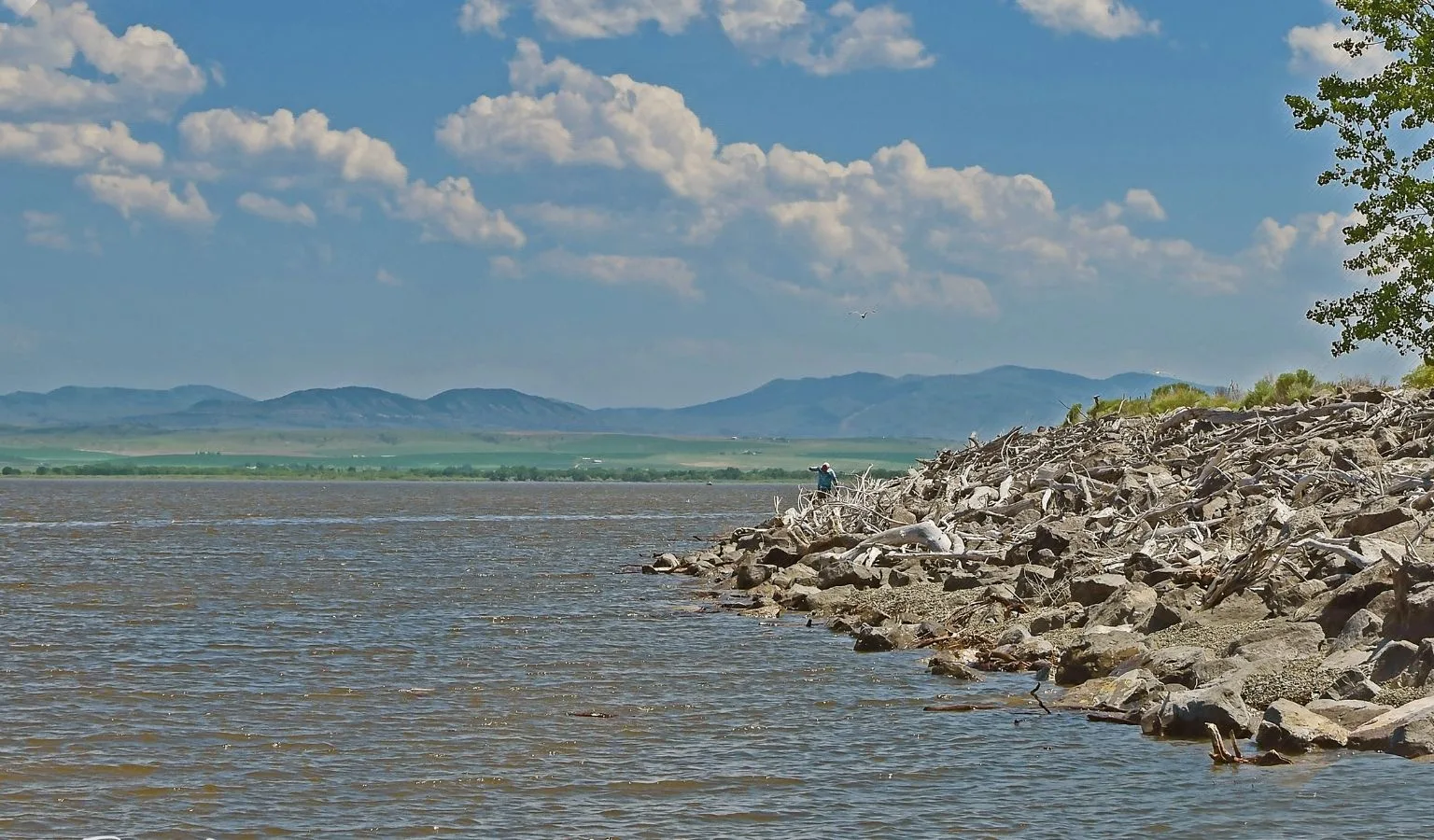
Photo by Gateway Graphic Design and Photography
Montana's outdoor week, in your inbox at 7am Friday.