
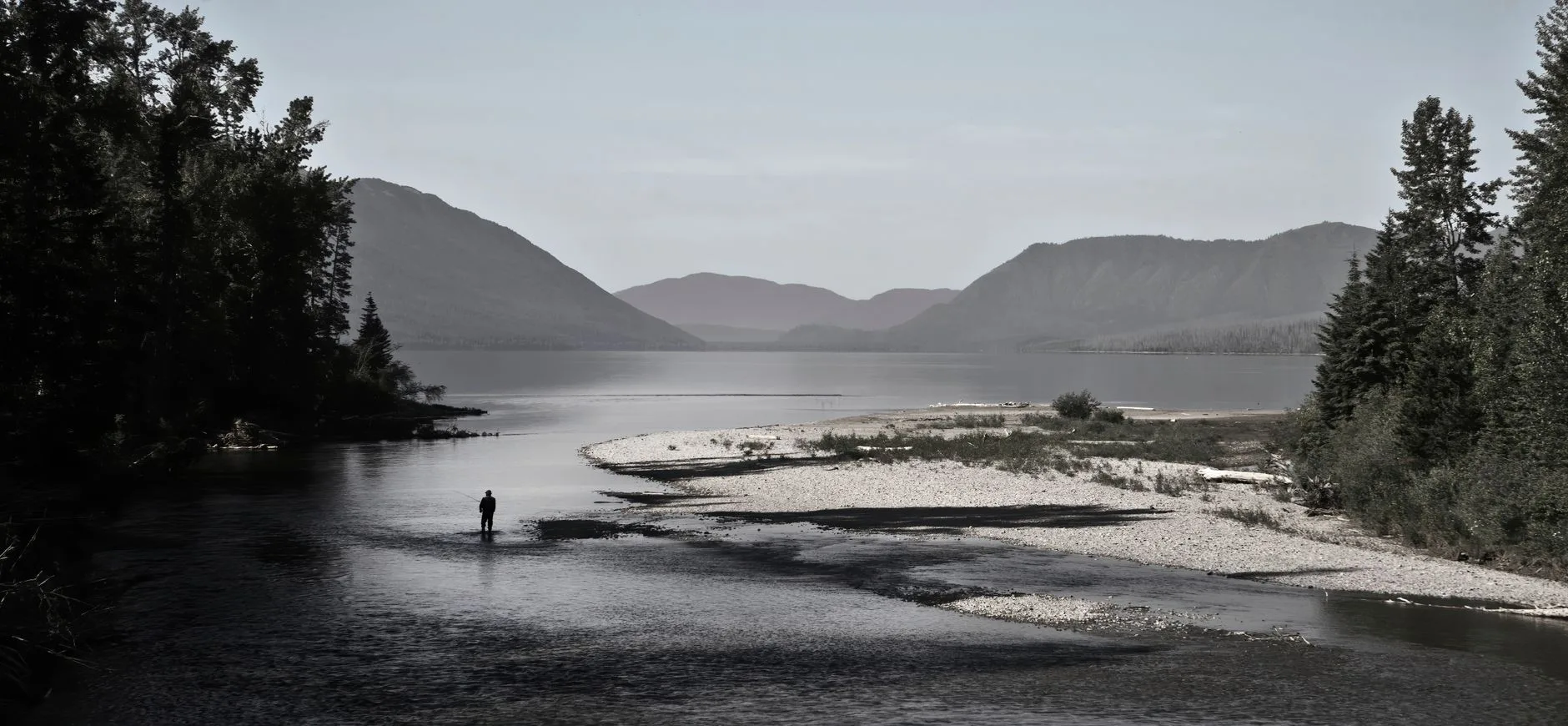
While the trout rivers of southwestern Montana dominate the headlines every June, a different fishery quietly peaks in the northwestern corner of the state. The large glacial lakes of the Flathead region — Hungry Horse Reservoir, Swan Lake, and Seeley Lake — hit a productive window in late June that most anglers from outside the area never capitalize on. Snowmelt has largely settled, water temperatures are climbing into ranges that activate bull trout, westslope cutthroat, kokanee salmon, and perch, and recreational boat pressure won’t reach its midsummer peak for another two to three weeks. That gap is the opportunity.
Why Late June Is the Inflection Point
These impoundments and natural lakes draw their water from high-elevation Glacier Country drainages. Runoff keeps surface temperatures suppressed into early June, but by the third and fourth weeks of the month, the thermocline begins to organize. Kokanee — the landlocked sockeye salmon that make Hungry Horse Reservoir one of Montana’s most underrated fisheries — start suspending at predictable depths, typically 20 to 40 feet, as they follow the temperature gradient and the zooplankton blooms beneath it. On Swan and Seeley, westslope cutthroat that were stacked in the shallows during spawning runs earlier in spring begin dispersing, and the larger fish shift to mid-lake structure and drop-offs.
Hungry Horse Reservoir: Montana’s Overlooked Kokanee Fishery
Hungry Horse Reservoir, impounded by the Hungry Horse Dam on the South Fork of the Flathead River, stretches roughly 34 miles through the Flathead National Forest. It receives far less fishing pressure than Canyon Ferry or Hauser, partly because access requires navigation of a Forest Service road system and partly because the fish here don’t fit the typical Montana trout narrative. That’s an advantage for anglers willing to look past their habits.
Kokanee at Hungry Horse average 10 to 14 inches at peak seasons, with exceptional fish pushing 16 inches and beyond. Standard tactics include trolling small dodger-and-hoochie or dodger-and-wedding-ring combinations at depth, or using small spoons like the Dick Nite or Needlefish in pink, red, or orange. Scenting your offering with a small piece of white shoepeg corn or a dab of anise-based scent is a local standard. Work the main lake basin and the deeper coves on the east arm when surface temperatures are still in the mid-50s Fahrenheit. As the month progresses and warm water pushes deeper, adjust your downrigger or lead-core trolling depth accordingly.
Bull trout also inhabit the reservoir, and they are a strictly regulated species. Always confirm current bull trout rules with Montana FWP before fishing — regulations regarding retention, size, and open seasons on bull trout can be specific to individual water bodies and change between seasons. The South Fork drainage is critical bull trout habitat, and compliance here matters both legally and ecologically.
Swan Lake: Westslope Cutthroat and a Quieter Shoreline
Swan Lake sits in the Swan Valley between the Mission Mountains Wilderness to the west and the Bob Marshall Wilderness complex to the east — arguably the most dramatic scenery framing any productive lake fishery in Montana. The lake holds westslope cutthroat, lake whitefish, and northern pike, with the cutthroat fishing drawing the most dedicated anglers.
Late June marks the end of the cutthroat’s post-spawn recovery period. Fish that were aggressive and concentrated in early June near tributary mouths — particularly at the Swan River inlet at the lake’s north end — are now healthy, feeding hard, and distributed more evenly across the lake. Fly fishing from a pontoon boat or kayak along the western shoreline at dawn, working Callibaetis emerger patterns or adult damselfly imitations in the weed-edge shallows, can produce fast action. For hardware anglers, small gold or copper spinners retrieved slowly through the 8- to 15-foot depth band over submerged structure are consistently effective. Swan Lake’s boat ramp at the south end provides good access; arrive early on weekends as this is a popular recreational corridor.
Seeley Lake: Family-Accessible and Genuinely Productive
Seeley Lake in the Clearwater Valley is the most accessible of the three and the best option for anglers with younger family members or anyone new to stillwater fishing in Montana. The town of Seeley Lake provides full services — fuel, groceries, tackle, and lodging — and the lake itself is small enough (roughly 1,000 acres) that first-time visitors won’t be overwhelmed orienting themselves on the water.
Seeley holds westslope cutthroat, rainbow trout, and yellow perch. The perch fishery is overlooked and underutilized — a fact experienced Seeley locals will confirm with some frustration at out-of-towners who walk past them at the cleaning station. In late June, perch can be found in 8 to 18 feet of water near the lake’s weed flats, and they bite aggressively on small jigs tipped with wax worms or minnow pieces. They are excellent table fish and make for a productive outing when the trout are finicky. Confirm current regulations for perch on Seeley with Montana FWP, as limits and open seasons on panfish can vary.
Practical Planning Notes
- Camping: Dispersed camping on the Flathead National Forest around Hungry Horse is available subject to current fire and access restrictions. Seeley Lake and Swan Lake have developed campgrounds managed by the USFS — reserve early through Recreation.gov if possible, as late June weekends fill fast.
- Regulations: All three fisheries fall under Montana FWP Region 1 and Region 2 jurisdiction. Verify current season dates, size limits, and any special restrictions — particularly for bull trout and westslope cutthroat — at fwp.mt.gov or by calling the regional offices in Kalispell (Region 1) or Missoula (Region 2) before your trip.
- Boat registration: Montana requires all motorized watercraft to be registered and displaying a current validation. Inspect your hull for aquatic invasive species before launching and stop at any mandatory inspection station.
- Weather: Afternoon thunderstorms are common in the Mission and Swan ranges through June. Plan to be off the open water by early afternoon and watch the western ridgelines for building cumulus.
The Broader Point
Montana’s fishing media — including this publication — spends a disproportionate amount of June coverage on blue-ribbon rivers in the southwest. Those fisheries deserve it. But for anglers willing to drive northwest instead of south, the Flathead region’s glacial lakes offer a legitimate late-June window, less crowded ramps, and species variety that rewards flexibility. The kokanee, the cutthroat working the weed lines at first light, the perch that fill a cooler quietly and quickly — these are real, accessible fisheries that hold up every year at this time. They just don’t get the column inches they’ve earned.
Montana's outdoor week, in your inbox at 7am Friday.