
Missouri River Holter to Great Falls: What to Know Before You Go
The Missouri River stretch running from Holter Dam down to Great Falls is one of Montana’s most celebrated trout fisheries — and for good reason. This tailwater system produces consistent hatches, clear water, and the kind of brown and rainbow trout that make fly anglers plan road trips months in advance. But like any fishery, it rewards anglers who understand how conditions shift with the seasons. Right now, in the heat of early August, knowing where to fish is just as important as knowing what to throw.
Jonathan Miller from Capital Sports in Helena checks in regularly with up-to-date intel on this river, and his August 6th report paints a clear picture: follow the cold water, match the hatch, and if you want a fight, head downstream to where the pike are lurking.
Stick to the Chilly Spots
When the weather turns up the dial, the trout head straight for the dam release. That cold, oxygen-rich tailwater is basically the river’s VIP lounge right now.
As Jonathan Miller from Capital Sports in Helena puts it:
“The tailwaters have been the more productive stretches with the cooler water coming from the dam.”
This is classic summer tailwater behavior. When air temperatures climb into the upper 80s and 90s, ambient river temperatures follow. Trout are cold-blooded and highly sensitive to water temperature — as water warms, dissolved oxygen levels drop, and fish become stressed and lethargic. They stop feeding aggressively and push toward any available cold-water refuge. Below Holter Dam, the deep reservoir releases water from lower in the water column, keeping the immediate tailwater noticeably cooler than stretches farther downstream. That temperature differential — even just a few degrees — can mean the difference between wide-open fishing and a frustrating day of dead drifts with nothing to show for it.
The practical takeaway: concentrate your efforts in the upper sections of this stretch, particularly in the miles immediately below Holter Dam, during the hottest weeks of summer. As you move farther south toward Great Falls, water temperatures rise, trout density drops, and the character of the fishery changes entirely.
If you’re dropping a line beneath the surface, feed ’em what they’re used to seeing. Miller recommends keeping your fly box stocked with the heavy hitters: scuds, prince nymphs, hare’s ears, and lightning bugs.
Why These Nymphs Work Here
The Missouri tailwater below Holter is famously rich in aquatic invertebrates. Scuds — freshwater crustaceans that thrive in the weedy, slow-moving currents along the river’s edges — are a staple food source for Missouri River trout year-round. Fishing a scud pattern in pink, tan, or olive along grassy banks and weed beds is about as close to a sure bet as this river offers. Prince nymphs and hare’s ears are versatile attractors that imitate a broad range of mayfly and stonefly nymphs, while lightning bugs — with their flashy bead and slim profile — work well when fish are keying on smaller, faster-moving invertebrates. Fish these patterns under an indicator or Euro-nymph style, keeping them in the strike zone along the bottom.
Topwater Thrills & Evening Cruising
Not in the mood to dredge the bottom? Good news: grasshoppers are officially making their summer debut along the banks. If you love watching a trout gulp something off the surface, now is the time to tie on a terrestrial.
For those who prefer to beat the afternoon glare altogether, set an alarm for the golden hour. As Miller notes:
“The hoppers have started to show up so if you want to throw a dry that is a good place to start. Otherwise mayfly patterns like the parachute adams or purple haze as well as caddis have been possible choices in the evenings.”
Hopper season on the Missouri is something special. Once the grasshoppers get active — typically from mid-July through September — trout along the grassy, undercut banks develop a serious case of hopper-on-the-brain. The strategy is simple: get your boat or wading position tight to the bank, cast your hopper pattern within inches of the grass, and let it drift naturally. Aggressive strikes are common, and the fish tend to be larger than average, since big trout burn more calories and need a substantial meal to justify the surface eat.
During the heat of the day, however, dry fly action can go quiet. That’s when evening fishing earns its reputation. As temperatures cool in the hour or two before dark, mayflies and caddis begin to hatch, and trout that have been sulking in deeper, cooler water all afternoon suddenly become active risers. The Parachute Adams is a classic choice because its silhouette imitates a wide range of mayfly species. The Purple Haze — a Montana favorite — works similarly and is particularly effective when fish are being selective. Caddis patterns fished in the surface film or as an emerging pupa just below can also be deadly during evening caddis flights.
Tips for Summer Evening Fishing on the Missouri
- Plan to be on the water no later than 6:00 p.m. to position yourself before the hatch begins.
- Watch for rising fish before you cast — identify their feeding lanes and present your fly upstream of the rise.
- Use a longer, finer tippet (5X or 6X) for selective risers during low-light conditions.
- Bring a headlamp. Evening sessions have a way of running later than planned, and navigating back to the takeout in the dark on an unfamiliar stretch is no fun.
Going Deep for Big Teeth
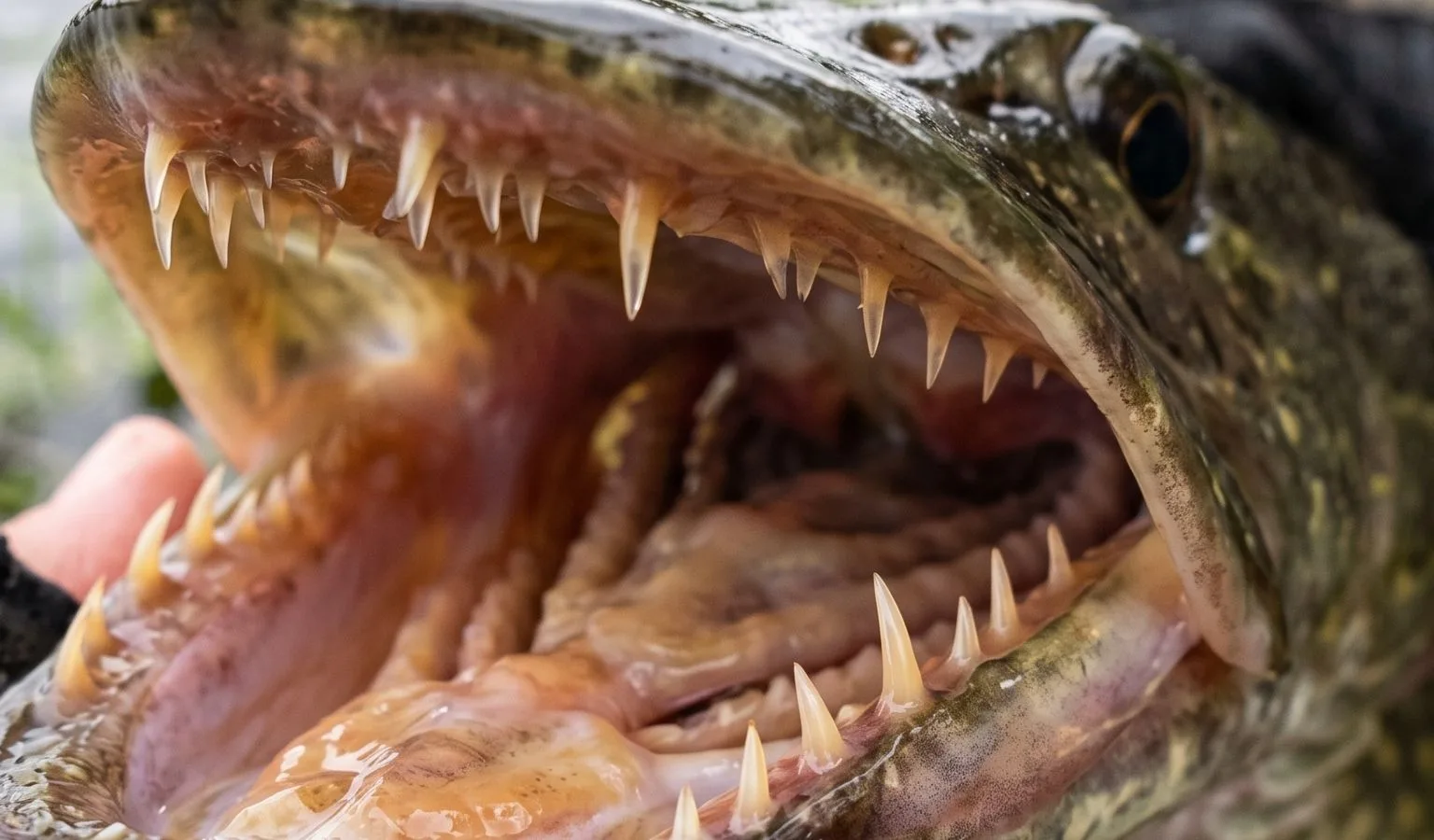
Downstream, where the river slows down and warms up, things change entirely. The trout thin out, but something a lot larger — and with way sharper teeth — is waiting in the shadows.
If you’re looking for a brawl rather than a delicate drift, tie on something aggressive.
“If you want to try for a pike on the fly, black sex dungeons are my favorite flies to throw for pike. Rainbow trout and perch patterns are also good choices,” says Miller.
Northern pike are an often-overlooked quarry on the lower Missouri, but they offer an entirely different kind of fly fishing experience. Pike are ambush predators that relate to structure — weed beds, submerged logs, slower backwater channels, and the edges of deeper pools. As water temperatures rise through summer, pike activity can actually increase in the warmer lower stretches of the river where trout struggle to survive.
Fly fishing for pike demands stouter gear than a trout setup. A 9- or 10-weight rod, a wire or heavy fluorocarbon bite tippet, and large, articulated streamers are the tools of the trade. The black Sex Dungeon — a popular articulated streamer with a big, flashy profile — creates the kind of movement and displacement that triggers aggressive strikes from pike. Patterns imitating rainbow trout or yellow perch make sense because those are exactly the prey species pike are hunting in this environment. Retrieve with long, aggressive strips to imitate an injured or fleeing baitfish, and don’t be surprised if a follow turns into a full-blown explosion at boatside.
A Note on Pike Regulations
Northern pike regulations on Montana rivers can vary by water body and are subject to change. Before targeting pike on the Missouri, check current Montana Fish, Wildlife & Parks (FWP) regulations to confirm season dates, size limits, and any special rules that may apply to this stretch. FWP regulations are available at fwp.mt.gov and are updated annually.
Access Points and Float Planning
The Holter to Great Falls stretch offers a range of float and wade fishing options, though some sections are better accessed by drift boat or raft than by foot. Key public access points and fishing access sites (FAS) are managed by Montana FWP and provide boat ramps, parking, and in some cases walk-in wade fishing. If you’re planning a multi-day float, this stretch offers overnight camping opportunities, but again — check current FWP guidelines and any applicable rules for camping along the river corridor.
For anglers new to this section of the Missouri, hiring a local guide or stopping into a shop like Capital Sports in Helena before your trip is well worth the time. Local knowledge about which access sites are currently in good shape, where boats are launching, and what the hatches are doing on any given week can save you hours of guesswork on the water.
Quick Fly Box Cheat Sheet
| Water Stretch | Target Species | Top Pattern Picks |
| Upper Tailwaters | Rainbow & Brown Trout | Scuds, Prince Nymphs, Lightning Bugs, Hare’s Ears |
| Surface/Edges | Rising Trout | Grasshoppers, Parachute Adams, Purple Haze, Caddis |
| Lower Warmer Runs | Northern Pike | Black Sex Dungeons, Rainbow/Perch Streamers |
Before You Head Out
Summer conditions on the Missouri can change quickly. Water releases from Holter Dam are managed by upstream operations and can affect river flows and temperature with relatively little warning. It’s always a good idea to check current flow data through the USGS streamflow gauge near Cascade before your trip, and to call ahead to Capital Sports in Helena for the most current on-the-water report. Miller and the team there are dialed in on this river and are a reliable source for fly recommendations, access intel, and guide referrals.
Whether you’re chasing rising browns in the tailwater, stalking bank-sipping fish with a hopper at dusk, or stripping big streamers for pike in the warm lower runs, the Missouri from Holter to Great Falls has something to offer right now — you just have to fish the right piece of water with the right approach.
Montana's outdoor week, in your inbox at 7am Friday.