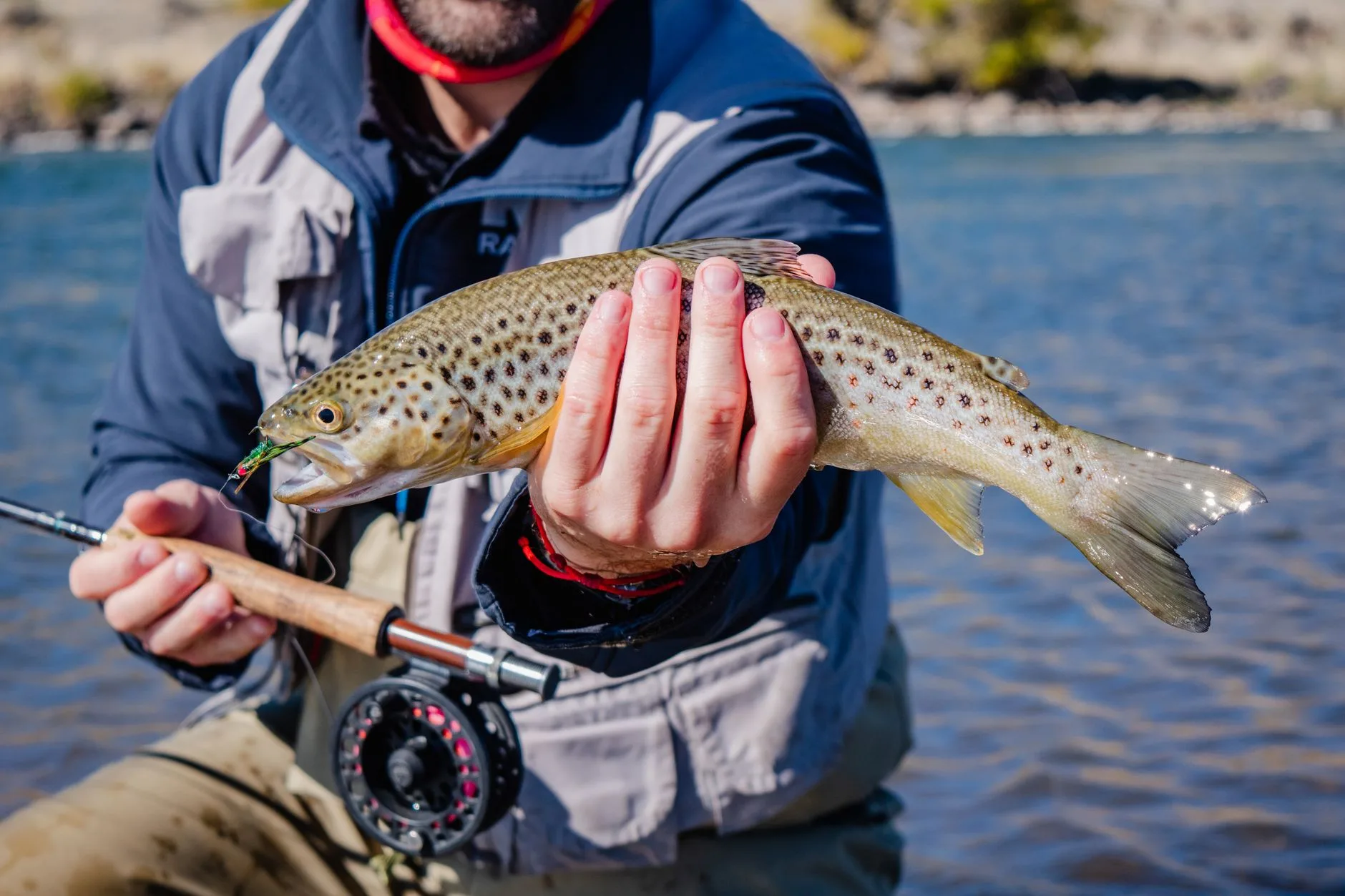
If you’ve ever had a big brown blow up on your streamer and come up empty — rod tip too high, strip timing off, or you just froze at the wrong moment — you already know how humbling streamer fishing can be. It’s the kind of thing that haunts you on the drive home. The video below from the River School channel covers five mistakes that consistently kill strikes, and it’s worth watching before your next float. But before you hit play, here’s some Montana-specific context that’ll help you put what you’re seeing on screen to work on actual local water.
Why Fall Is the Right Time to Get This Dialed In
Montana’s streamer season doesn’t really peak until late summer cools into fall. Once water temps on rivers like the Blackfoot, Clark Fork, and Bitterroot start dropping into the low 50s and upper 40s, the biggest brown trout in the system shift into aggressive feeding mode. They’re putting on weight before winter and keying hard on baitfish — sculpins, small whitefish, and juvenile trout. That’s the window most serious fly anglers circle on the calendar, and it runs roughly from late August through November depending on the drainage.
The good news for Montana anglers is that many of our best streamer fisheries stay open well into the season. The Clark Fork below Missoula is open year-round for trout. The Missouri River below Holter Dam fishes strong through November and beyond. Check the current Montana FWP regulations for specific reaches and species rules before you go — some tributaries close in fall to protect spawning fish, and it changes by zone.
The Mistakes — And What They Look Like on Montana Rivers
The video covers five specific technique errors. Without giving the whole thing away, here’s how those mistakes tend to show up on local water and what you can do about them:
Rod tip position. This is probably the most common one. When you’re throwing to a cutbank on the Blackfoot from a moving drift boat, it’s easy to end up with your rod tip high and your line off the water. You lose direct contact with the fly, your strip becomes sloppy, and the fly behaves unnaturally right when a fish is watching it. Keep the tip low — sometimes touching the water — so every strip transmits directly to the fly.
The pause. A lot of anglers strip too continuously. Big trout, especially browns, will often follow a streamer and only commit during a pause or a sudden direction change. On slower, deeper runs like you’d find on the lower Madison or upper Clark Fork, building a deliberate hesitation into your retrieve can be the difference between a follow and an eat.
Casting angle. Where you land the fly relative to the current seam matters more than most people realize. A fly that swings unnaturally across the current because of a bad casting angle looks wrong to a fish that’s been eating real baitfish for weeks. On big water like the Missouri, adjusting your cast angle by 10 or 15 degrees can completely change how the fly behaves through the strike zone.
Missing the eat. This one hurts the most. Freezing up when a big fish swipes at your fly is a reflex problem. The video addresses this, and the fix is partly mental — stop watching the fish and focus on your hands. Strip-set low and hard. Don’t lift the rod until the fish is on.
Playing it too safe with fly size. In fall on Montana rivers, bigger is usually better. A 4- to 6-inch articulated pattern in natural colors or all-black will outfish a tidy little 2-inch streamer on most days. Don’t be shy about throwing something that looks like a meal.
Where to Put It to Work
Most of Montana’s major streamer fisheries have solid public access. The Blackfoot River Corridor has extensive FWP fishing access sites from Lincoln down to the confluence with the Clark Fork. The Madison has public wade access throughout the Bear Trap Canyon Wilderness and along US-287. The Bitterroot has a string of FWP access sites between Darby and Missoula that get far less pressure than the floated sections.
Watch the video, take a few notes, and then go throw big articulated flies at the nastiest undercut banks you can find. There are still good fish to be caught before winter settles in — but only if your technique gives them a reason to bite.
Montana's outdoor week, in your inbox at 7am Friday.