
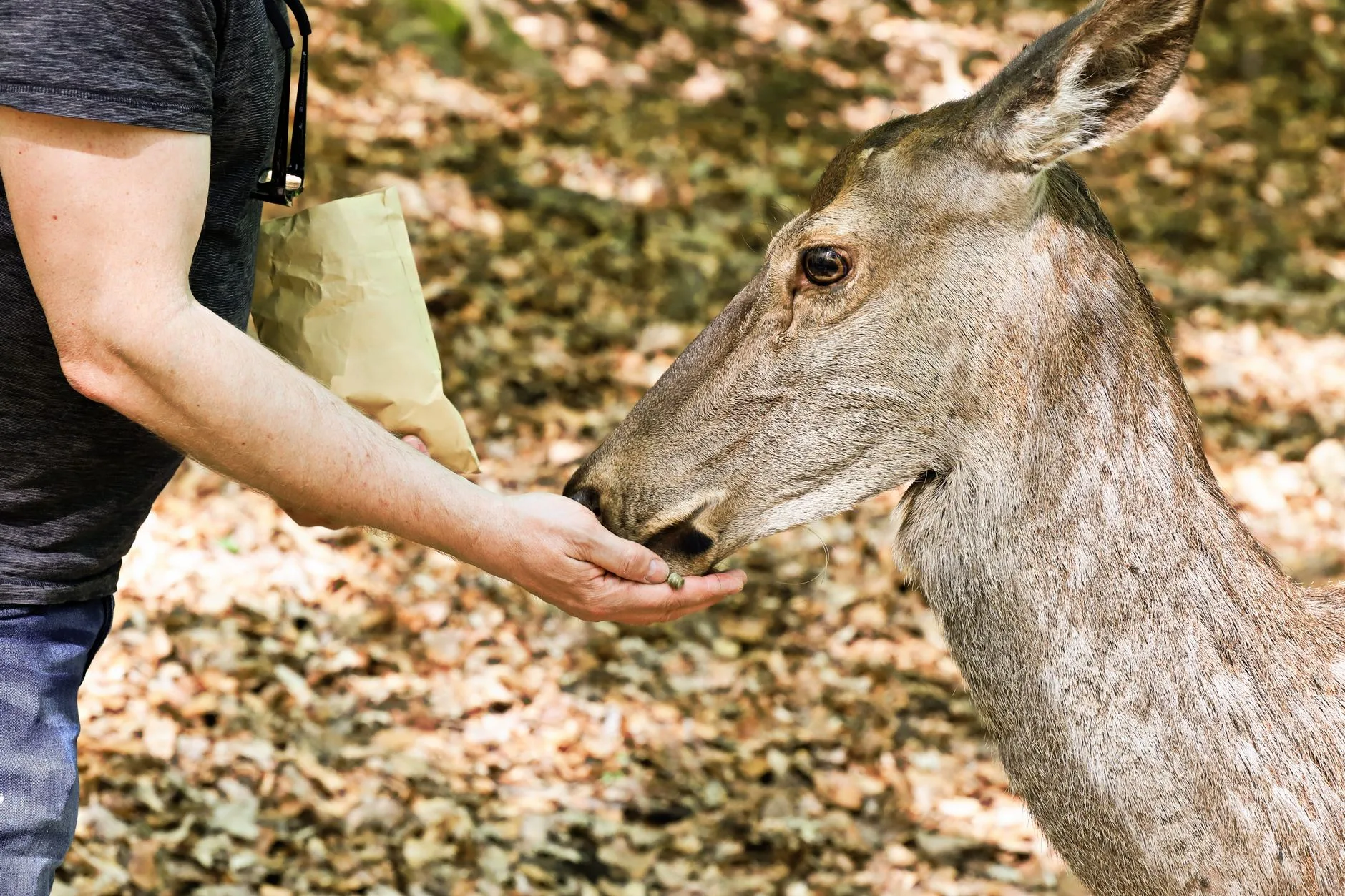
Bag of mineral blocks, stack of corn supplements, shelf full of “wildlife attractants” — and every single one of them sitting right there in a Montana feed store like they belong. Legal to sell. Illegal to hunt over. That gap is exactly where hunters are getting themselves into trouble this season.
Game wardens across the state aren’t subtle about it this fall. Hunting over bait is illegal in Montana. So is supplemental feeding of wildlife. No gray area, no workaround, no exception based on what the label says or where you bought it.
“Just because a product is available for sale, that does not mean it is legal to use while hunting,” said regional game warden captain Chris Neu in a recent statement from Montana Fish, Wildlife & Parks. Read that twice if you need to. The store selling it doesn’t make it legal in the field.
What Counts as Baiting
Montana law doesn’t leave much room for interpretation here. You cannot hunt game animals with the use of bait — and that covers corn, salt licks, mineral blocks, pellets, grain piles, scent attractants placed to draw animals in, or anything else you’re deliberately putting out to concentrate wildlife. Doesn’t matter if you laid it down three weeks before the season opener or the night before your hunt. Doesn’t matter if your stand is set at a different angle from the pile. If animals are showing up in that spot because you put something there, you’re in violation.
Honestly, this isn’t just a legal technicality. Baiting warps natural animal behavior, creates the kind of tight wildlife concentrations that help diseases spread fast, and raises the odds of human-wildlife conflicts in areas where they don’t need to be happening. Chronic wasting disease is already documented in Montana. The last thing we need is hunters inadvertently building transmission hotspots because they wanted a gimme shot. Our hunting heritage depends on healthy, wild animals behaving like wild animals — not like livestock crowding a feeder.
The Feed Store Loophole That Isn’t
Here’s where good hunters sometimes go sideways. Walk into retailers from Billings to Kalispell and you’ll find products marketed directly at deer and elk hunters — attractants, antler supplements, herd health additives. The packaging implies this is exactly what your hunting property needs. The marketing is slick. The intent is obvious.
Montana doesn’t care. The state draws no distinction between feeding wildlife for “management purposes” and feeding to hunt over. Supplemental feeding of wildlife is prohibited under state law, full stop. Even if you’re not standing in a tree stand over the pile — if the pile exists and wild game is coming to it, you’ve already broken the law. The only carve-out applies to livestock feed on working agricultural operations, and even that comes with a catch: you still can’t hunt over those areas if game animals are concentrating there because of the feed.
These products are legal to sell in Montana. They’re legal to use in some other states. That’s the entire reason they’re on the shelf. But legal to sell and legal to use in the field are two completely different things, and confusing them is going to cost you.
What Wardens Are Seeing
Wardens aren’t sitting in the office waiting for confessions. Trail cameras near obvious feed sites, mineral licks planted within bow range, corn piles beneath tree stands — these things get noticed on patrol, and they get investigated. Violations can mean serious fines, loss of hunting privileges, and equipment forfeiture. Push it far enough and you’re looking at felony charges.
In my experience, the hunters who get caught baiting aren’t criminal masterminds — they just convinced themselves it wasn’t a big deal. It is. Beyond the legal exposure, you’re degrading the herd and the fair chase tradition that every legitimate hunter in this state has a stake in protecting.
Wardens also depend heavily on tips from other hunters. If you’re glassing a hillside in the Elkhorns or setting up along a creek bottom in the Bitterroot and you spot a bait pile near someone’s stand, that’s not a minor infraction you walk past. Report it. Montana Fish, Wildlife & Parks takes calls at 1-800-TIP-MONT, and you can submit a report online at tipmont.mt.gov.
Know the Rules Before You Go
Montana’s hunting regulations get updated regularly, and what held true two seasons ago may not apply today. Before you head up into the high country this fall, read the current regs for your specific hunting district. Know what’s prohibited statewide, know what your license requires of you, and if something feels like it might be in a gray area — call FWP directly and ask. That five-minute phone call is a far better outcome than explaining yourself to a warden in the field.
Fair chase isn’t just a phrase we throw around. It’s the foundation of everything that makes hunting in Montana worth doing. Baiting doesn’t belong here. Don’t bring it.
Source inspiration: The Outdoor Wire
Montana's outdoor week, in your inbox at 7am Friday.