
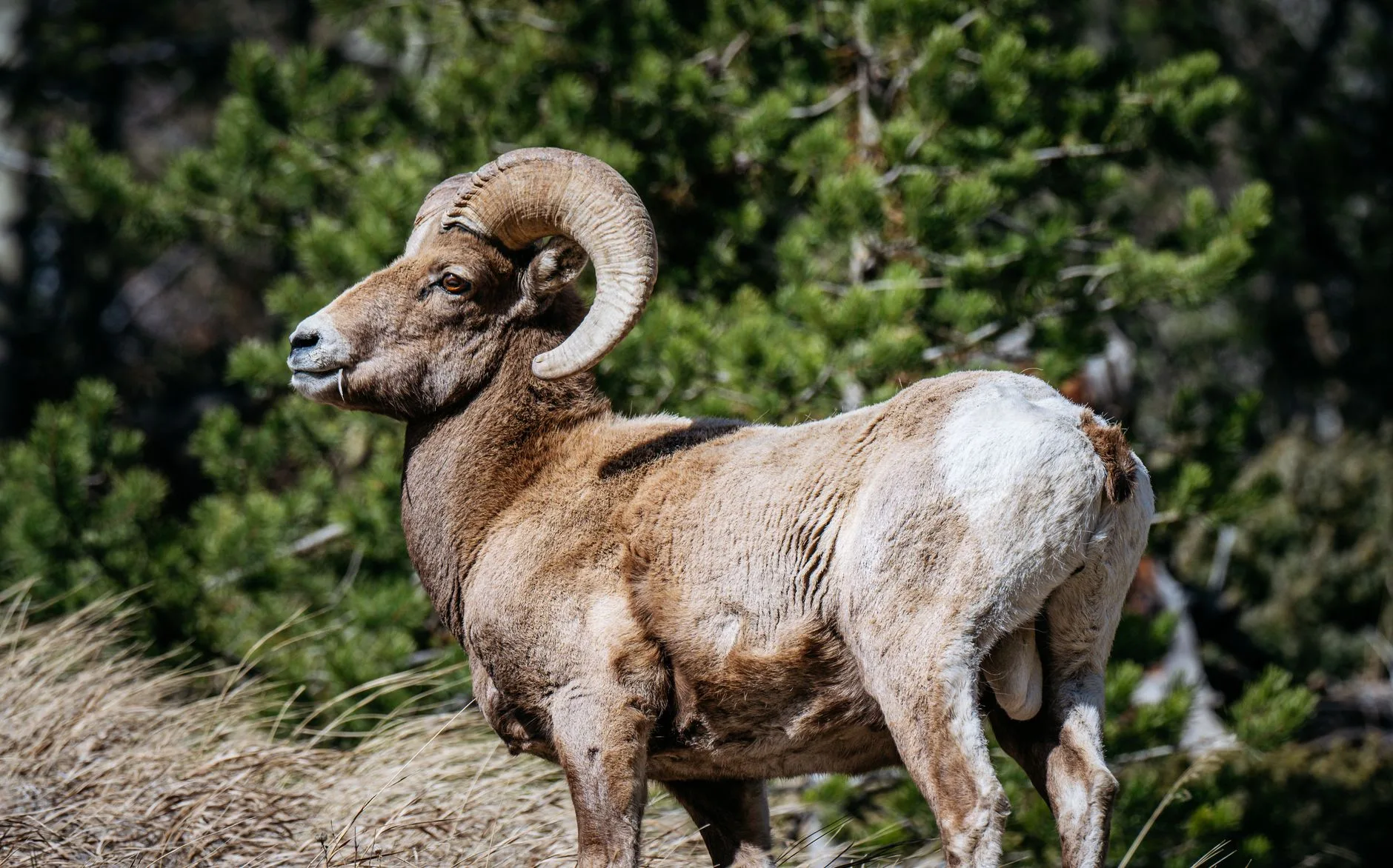
Montana’s bighorn sheep restoration has hit a ceiling, and the next chapter might be written on private ground. That’s not speculation — it’s the reality Montana Fish, Wildlife and Parks is now asking a handpicked panel to wrestle with.
For decades, FWP has successfully transplanted bighorns back into historic range across the state, rebuilding herds that were nearly erased by disease, habitat loss, and unregulated hunting in the early 1900s. But most of that work has focused on public land, and those opportunities are running thin. The low-hanging fruit, as one FWP biologist put it, is picked.
Now the agency is looking east, where thousands of square miles of suitable bighorn habitat sit waiting — but nearly half of it is privately owned. That opens a door to meaningful sheep restoration, but it also raises a question that has conservation groups on high alert: will Montana hunters lose access to a public resource if bighorns are stocked on private ground?
The Numbers Tell the Story
A study published six years ago identified more than 4,300 square miles of potential bighorn habitat in central and eastern Montana. Forty-four percent of that is private land. It’s a massive opportunity on paper, but it comes with complications FWP has never had to navigate at this scale.
Montana’s current bighorn population sits around 4,700 animals — well short of the 6,600-animal goal laid out in the state’s 2010 conservation strategy. Distribution has improved, but growth has stalled. Some transplants have been wildly successful. Others have boomed, then collapsed. A herd in the Missouri Breaks peaked at 318 sheep in 2016, then dropped to just a handful of animals within a few years. Disease, predation, and unforgiving terrain don’t care how much money or effort you’ve put into a herd.
So FWP is exploring new ground — literally. And that means working with private landowners who control vast stretches of sheep country.
The Access Question
This is where the conversation gets tense. Montana conservation groups are already drawing lines in the sand. The Montana Wildlife Federation made it clear: bighorn sheep hunting permits cannot become bargaining chips for landowner cooperation. The Gallatin Wildlife Association echoed that stance, insisting that bighorn sheep belong to all Montanans, not just the people who own the land beneath them.
Honestly, they’re right to push back hard on this. Montana has fought for generations to keep wildlife a public trust resource, and any scheme that prioritizes private landowners for permits — or worse, carves out a landowner-only allocation — sets a dangerous precedent. Bighorn tags are already among the most coveted draws in the West. Most of us will put in for a sheep permit for thirty years and never punch one. Giving that resource away in exchange for transplant agreements would gut decades of conservation advocacy in a single policy decision.
But incentive-based approaches are on the table, and they need to be. Private landowners hold the keys to thousands of square miles of habitat between the Judith Mountains and the Breaks country. If FWP wants to expand bighorn range into eastern Montana, it needs their buy-in. The challenge is structuring that partnership in a way that doesn’t hand public wildlife over to private interests — and that’s a needle nobody has threaded cleanly yet.
Disease Remains the Wild Card
Even if the access issues get sorted out, disease could derail the whole effort. Pneumonia has devastated bighorn populations across the West, and domestic sheep or goats are almost always the vector. Any private land being considered for restoration needs to be thoroughly vetted for past domestic sheep grazing, and current operations need to be assessed with a hard eye — not a polite one.
Some conservation voices are calling for outright disqualification of any land with a history of domestic livestock. In my experience watching these situations play out, that’s the right call. Bighorn transplants are expensive, time-consuming, and politically charged under the best circumstances. Losing a herd to pneumonia after stocking it on compromised ground would be a disaster — and it would set the program back years, maybe longer.
What Happens Next
The advisory panel FWP convened includes outfitters, former biologists, members of the Montana Wild Sheep Foundation, and representatives from the Montana Wool Growers Association. Their job is to recommend guidelines for bighorn restoration on private land by the end of the year. Those recommendations will shape how — or if — this effort moves forward.
For Montana hunters, this one deserves close attention. A bighorn tag is a once-in-a-lifetime draw for most of us — if we’re lucky. Expanding sheep range into new country is genuinely exciting news. But any move that restricts public access or privatizes permits is a nonstarter, full stop. FWP has a real balancing act ahead, and how they handle it will say a lot about where Montana wildlife management is headed over the next twenty years.
Montana has the habitat. The question is whether it can grow bighorn range without selling out the hunters and citizens who actually own those animals.
Source inspiration: Spokesman-Review
Montana's outdoor week, in your inbox at 7am Friday.