
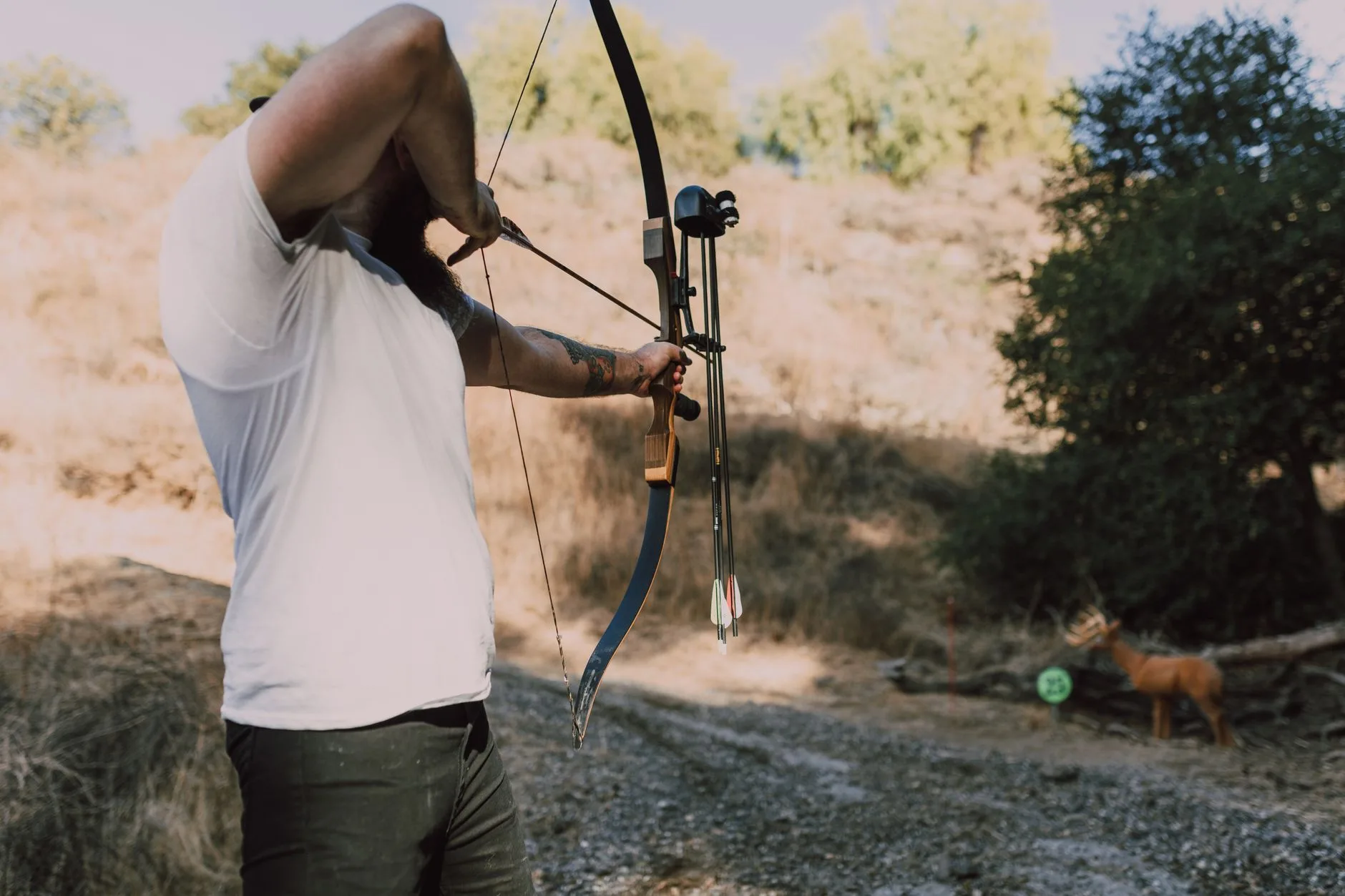
Eight weeks. That’s what separates you from the opener, and if you’re hunting elk in the Bob Marshall Wilderness, the Bitterroots, or the Beartooths this September, that time is not as comfortable as it sounds. The bulls won’t care that you got winded on the first ridge. Your bow won’t shoot better because you meant to tune it. Right now — mid-July — is the last realistic window to build the fitness and equipment confidence that makes the difference between tagging out and packing out empty.
Here’s a plan that’s built for Montana terrain, not a gym poster.
The Physical Reality of Montana Archery Elk Country
Most of the best archery elk habitat in Montana sits above 7,000 feet. The drainages off the Rocky Mountain Front, the upper South Fork of the Flathead, the Selway-Bitterroot corridor — these aren’t places where flat-ground fitness translates. You can be in solid shape and still find yourself gasping on a 2,000-foot morning climb with a 50-pound pack because your body hasn’t adapted to elevation and load together.
That’s the target: elevation plus load plus sustained effort. Train specifically for that combination, and you’ll be functional when it counts.
Weeks 1–3: Build the Engine
Start with what hurts the most — cardiovascular base under load. Three to four days a week, get outside with a loaded pack. Start modest on weight and build toward what you’ll actually carry in the field. In Montana’s July heat, early morning is the only sane time to move. Use the Rattlesnake Wilderness near Missoula, the Bridger Range above Bozeman, or any trail system with real vertical gain.
- Weighted hikes: Prioritize elevation gain over distance. Steep and short beats flat and long for elk-hunting prep.
- Zone 2 cardio: On off-days, run or bike at a conversational pace — this builds aerobic efficiency without wrecking your recovery.
- Leg strength: Lunges, step-ups, and single-leg squats done two days a week protect your knees on the downhill and give you the power to climb quietly.
Weeks 4–6: Add Specificity
Now make your training look like your hunt. If you’re packing into the Sun River drainage or pulling a cart through the Missouri Breaks on an archery mule deer crossover, mimic those conditions. Sleep in your tent one weekend and hike out the next morning. Wear your hunting boots — not trail runners — on every weighted hike from this point forward. Blisters found in training are blisters healed by September.
Introduce shooting into your conditioning. After a hard hike, before you’ve fully recovered, draw your bow. Elk are rarely harvested when you’re fresh and rested. Honestly, this is the most underused drill in bowhunting — practicing the shot when your heart rate is elevated and your arms are burning will reveal problems in your form that a flat-range session never will. You’ll be humbled the first time. That’s the point.
Weeks 7–8: Sharpen and Maintain
Don’t try to peak your fitness in the final two weeks — maintain what you’ve built and let your body recover. Drop the pack weight slightly, keep the vertical, and prioritize sleep. This is also when gear shakedowns happen. Do a one-night overnight with your full system and find out what doesn’t work before you’re 12 miles from the trailhead. You’d rather fix a hot spot on your hip belt in your driveway than on the trail to the South Fork.
Equipment: Tune Now, Not the Week Before
Bow tuning is not a last-minute task. Paper tuning, walk-back tuning, and broadhead flight verification all take time to do properly — and changes to one part of the system (rest, nocking point, draw length) cascade into everything else. Give yourself at least six weeks of shooting before the opener, which means your bow needs to be in final configuration right now.
Start with paper tuning. A clean bullet hole tells you your arrow is leaving the bow consistently. If you’re getting tears, chase the cause — it’s usually rest position or nocking point before it’s anything more complicated. From there, shoot your broadheads at distance and confirm they match your field point impact. Fixed-blade heads are less forgiving of tuning gaps, and the time to discover that is July, not the evening before you pack in.
Go through every component while you’re at it. Serving integrity, D-loop condition, peep alignment, string condition — all of it degrades, and none of it fails at a convenient time. Replace anything questionable now. In my experience, the guys who skip this step are the ones telling camp stories about a bow that “started hitting left” on day two.
Set your effective range honestly, too. The shot you take on an elk in a dark timber draw at 6,000 feet is not the same as a sunny backyard session at sea level. Know your real limit and practice inside it. No bull is worth a marginal shot.
Gear Notes for Montana High Country
Montana September is a full-season month in a single week. You can hunt in a t-shirt on the opener and glass from camp in a down jacket by the third morning. Layer systems need to be quiet as well as warm — fleece moves silently through brush where hardshell doesn’t. Confirm your tags, verify your unit boundaries with onX or a current FWP regulation booklet, and check with Montana Fish, Wildlife & Parks directly for any regulation updates before your season opens. Unit boundaries have caught more than a few hunters off guard in recent years.
The Window Is Now
Hunters who show up in the Bob Marshall or the Pintler Wilderness in top shape, with a tuned bow and real shooting confidence, make better decisions in the field. They climb faster, recover quicker, hold steadier, and stay in the game longer when it gets hard — and it will get hard. That hunter gets built in the eight weeks before the season. Not during it.
You’ve got exactly that window. Use it.
Montana's outdoor week, in your inbox at 7am Friday.