
Big Hole, Gallatin, East Gallatin, Jefferson, Madison and Ruby Rivers are impacted
BOZEMAN– Warming river water is prompting more hoot-owl fishing restrictions and one complete closure in southwest Montana this week.
The Madison River, from the Madison Dam at Ennis Reservoir to the footbridge at the NorthWestern Energy powerhouse, is closed to fishing at all hours beginning Wednesday, July 15. The closure is in response to warm outflows from Ennis Reservoir that are preventing nighttime cooling in that section of the river. Hoot-owl restrictions, which prohibit fishing from 2 p.m. to midnight each day, also take effect on July 15 at 2 p.m. on the following rivers in southwest Montana:
- Big Hole River: two sections of the river are impacted (Saginaw Bridge on Skinner Meadows Road to the confluence with North Fork of the Big Hole River and Tony Schoonen Fishing Access Site to confluence with Beaverhead River)
- Gallatin River: lower river, from Cameron Bridge Road to the confluence with the Missouri River
- East Gallatin River: entire river
- Jefferson River: entire river
- Madison River: lower river, from the footbridge at the NorthWestern Energy powerhouse to the confluence with the Jefferson River (this extends the hoot-owl that is already in place from Warm Springs FAS to the confluence)
- Ruby River: lower river, from Duncan District Road to the confluence with the Beaverhead River
Montana Fish, Wildlife & Parks also reminds anglers that a few sections of rivers in southwest Montana are already under Hoot-Owl restrictions:
- The Madison River: above Hebgen Reservoir, from the upstream most Yellowstone National Park boundary to Hebgen Reservoir as well as a portion of the lower river from Warm Springs FAS to the confluence
- Lower Beaverhead River: from Highway 41 near East Bench Road and Beaverhead Rock to its confluence with the Big Hole River
These restrictions will stay in effect until conditions improve. To check for a full list of Montana fishing restrictions, including a map, visit: fwp.mt.gov/news/current-closures-restrictions/waterbody-closures.
FWP’s drought policy provides for angling restrictions when flows drop below critical levels for fish, when water quality is diminished or when maximum daily water temperatures reach at least 73 degrees for three consecutive days. Water temperatures of 77 degrees or more can be lethal to trout.
These restrictions are designed to protect fish that become more susceptible to disease and mortality when water temperatures warm. Restricting angling to only cool morning hours can help reduce catch-and-release mortality.
Catch-and-release anglers can reduce stress on fish by getting them to the net or in hand quickly, keeping them in the water and reviving them prior to releasing them back into the river. As the summer warms, Montana offers many other angling options with better conditions for fish, including larger lakes or reservoirs, or higher elevation lakes and streams.
Along with monitoring stream temperatures, FWP also monitors stream flows and, in some streams, holds instream flow water rights. FWP’s water program can issue a call on junior water users, when appropriate, to contribute to stream flows through the late summer and early fall. For more information on FWP water rights, visit: fwp.mt.gov/conservation/fisheries-management/water-management.
–fwp–
The above FWP press release is shared as a courtesy to our followers on MontanaOutdoor.com
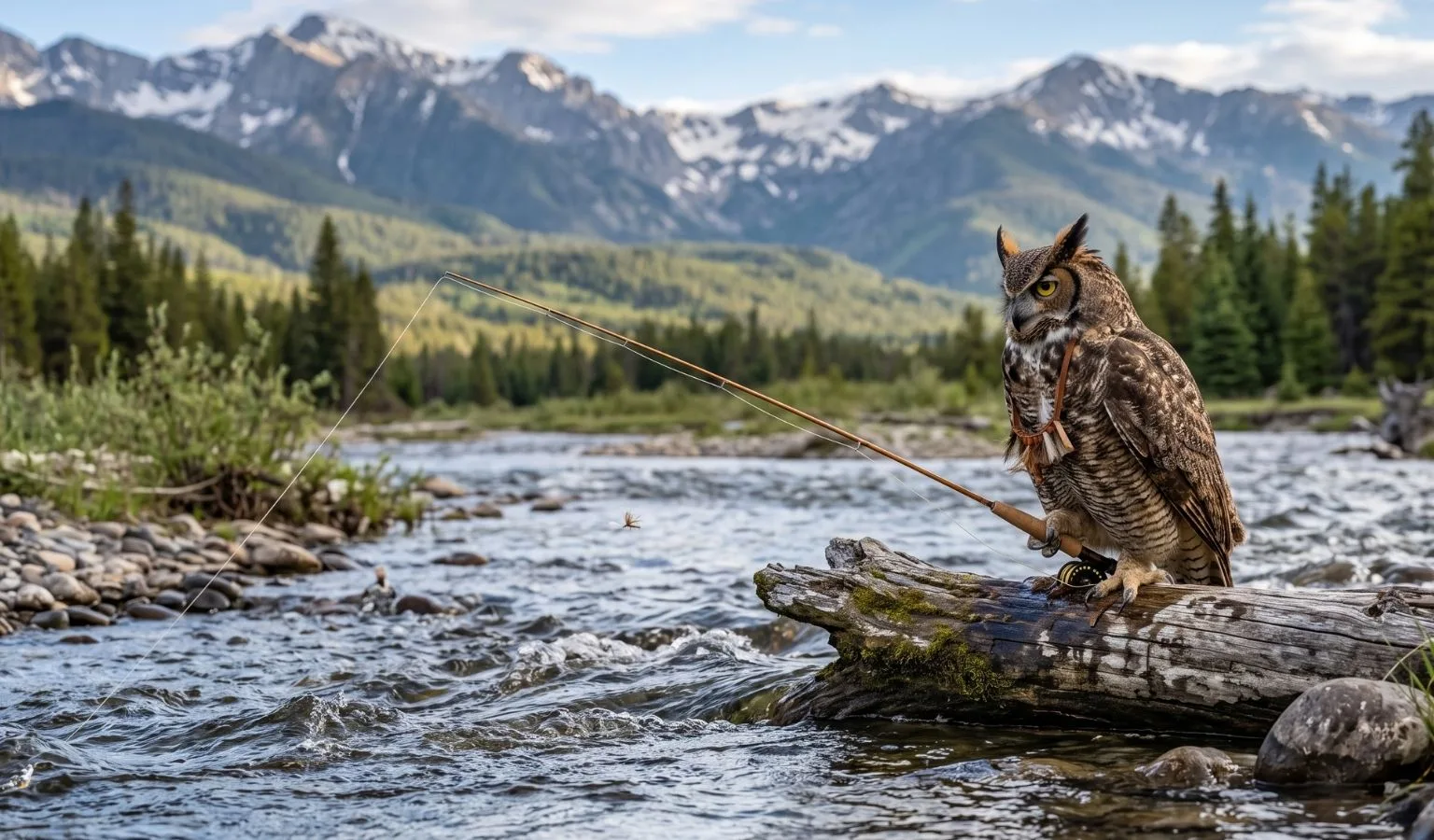
Feature image: AI created it, and it was too funny not to use
Montana's outdoor week, in your inbox at 7am Friday.