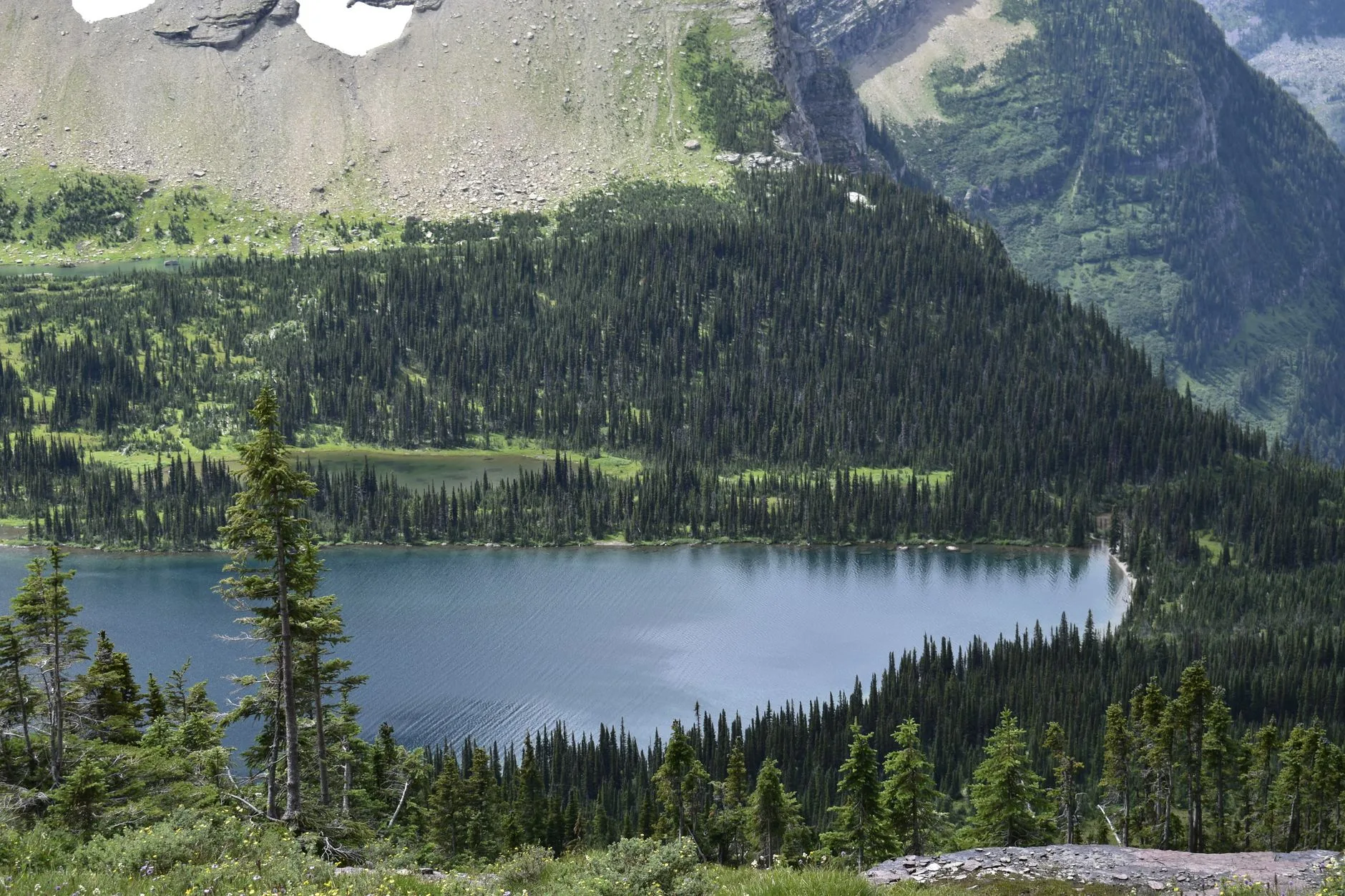
At nearly 30 miles long and 15 miles wide, Flathead Lake is the largest natural freshwater lake west of the Mississippi — and if you’re a Montana outdoorsman and you haven’t put serious time into it, you’re leaving fish, wildlife encounters, and some of the most spectacular public shoreline in the West on the table. This isn’t a tourism brochure. This is what you actually need to know before you launch a boat, set up camp, or drop a line into Montana’s crown jewel.
Flathead Lake Fishing: Species, Seasons, and What the Regulations Actually Say
Flathead Lake runs deep — over 370 feet in places — and that depth is what makes it a legitimate big-fish destination. Here’s a breakdown of what’s biting and when:
Lake Trout (Mackinaw): This is the dominant predator in Flathead, and FWP has made no secret of the fact that they want anglers hammering them hard. Lake trout are invasive in Flathead’s ecosystem, devastating native bull trout and westslope cutthroat populations. On Flathead Lake north of the Flathead Indian Reservation boundary, the limit is 100 lake trout daily and in possession, only 1 over 36 inches, and all fish 30 to 36 inches must be released, and FWP actively encourages anglers to harvest them. Trolling deep-diving lures or jigging tube baits in 80–200 feet of water during summer produces consistently. Spring and fall, when lakers move shallower, is prime time for shore-accessible fishing near the lake’s rocky points.
Bull Trout: These are a different story entirely. Bull trout in Flathead Lake are listed as a threatened species under the Endangered Species Act, and regulations are strict. You are required to immediately release any bull trout you catch. Knowing the difference between a bull trout and a lake trout before you fish here isn’t optional — it’s the law. Bull trout have no black markings on their fins and sport red and orange spots; lake trout have irregular light markings on a dark body. Check current FWP regulations at fwp.mt.gov every season before you go, because these rules can and do change.
Westslope Cutthroat: Native cuts still exist in Flathead Lake and the river systems that feed it, including the Flathead River drainage. Catch-and-release is the ethical standard here, and most serious anglers treat them that way. Look for cutthroat near tributary mouths in spring when they’re staging, and along rocky shoreline structure in fall.
Yellow Perch: If you want a fish fry without the regulation headache, yellow perch are your answer. Flathead Lake holds solid perch populations, particularly in the shallower bays on the lake’s east side near Polson and Big Arm. Small jigs tipped with worms or maggots in 10–25 feet of water will put fish in the cooler. There’s no closed season and a generous bag limit — confirm current limits with FWP, but perch fishing here is about as relaxed as Montana fishing gets.
Boat Launches, Access Points, and Public Land Around the Shoreline
Flathead Lake has more public access than many anglers realize, though you need to know where to look. Montana FWP manages several state parks along the shoreline that include boat launches, camping, and day-use areas.
Wayfarers State Park near Bigfork on the northeast shore is one of the most-used access points, with a solid boat ramp and camping. Finley Point State Park on the east shore offers another launch and is a popular perch fishing destination. Big Arm State Park on the west side gives you access to the upper lake and is a logical staging point for anglers running north toward Wild Horse Island.
Wild Horse Island State Park deserves its own mention. Accessible only by boat, this 2,165-acre island is home to bighorn sheep, mule deer, bald eagles, and yes — actual wild horses. No motorized vehicles, no camping. You beach your boat, hike the island, and if you time it right in spring or fall, the wildlife viewing alone is worth the trip. It’s one of the most genuinely wild experiences you can have within sight of a paved road in Montana.
The Confederated Salish and Kootenai Tribes (CSKT) manage significant shoreline on the southern half of the lake. Non-tribal members need a tribal recreation permit to access tribal lands and fish tribal waters — these are available online and at local vendors in Polson. Don’t skip this step. Enforcement is real, and the fines aren’t worth the gamble.
Seasonal Tips for Getting the Most Out of Flathead Lake
Spring is for cutthroat near tributary mouths and early perch in the bays. Summer means deep trolling for lake trout and evenings watching osprey work the surface. Fall is the most underrated season — lakers stage shallow, perch school tight, and the larches burning gold on the Mission Mountains make the whole scene look like something out of a magazine spread. Winter ice fishing does happen on Flathead, but the lake rarely freezes completely and never safely in the southern basin — locals know which bays to trust and which ones to avoid entirely.
Flathead Lake rewards the angler who puts in the research. Dial in your regulations, grab your tribal permit if you’re fishing the south end, and don’t leave those lake trout in the water — FWP needs the help, and they’re good eating. There aren’t many places in the Lower 48 where keeping fish is an act of conservation, but Flathead Lake is one of them.
Editor’s note: Corrected the lake trout regulation for Flathead Lake: the official 2026 rule is 100 daily/in possession, only 1 over 36 inches, with all fish 30–36 inches released — not ‘no size or bag limit.’
Montana's outdoor week, in your inbox at 7am Friday.