
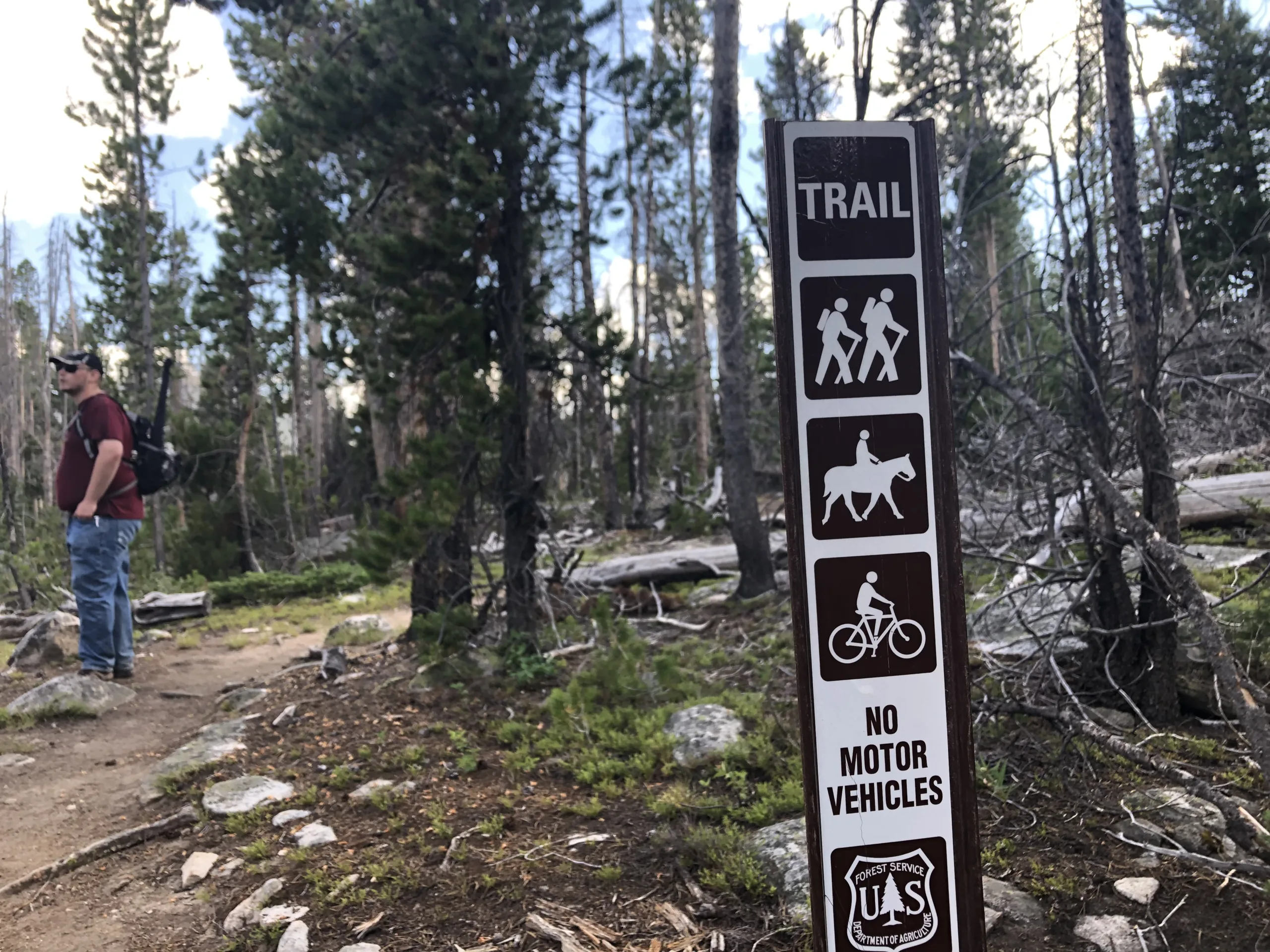
WASHINGTON, DC- Aug. 18, 2026 – Today, Secretary of Agriculture Brooke L. Rollins announced the U.S. Forest Service has filed a proposed rule to rescind in its entirety the national 2001 Roadless Area Conservation Rule, a one-size-fits-all restriction that has frustrated land managers and served as a barrier to wildfire risk reduction work across large swaths of America’s national forests.
“Our forests can’t afford another decade of inaction. Across the country, we’ve watched preventable conditions – overgrown stands, insect outbreaks and disease – turn healthy landscapes into tinderboxes,” said Agriculture Secretary Brooke Rollins. “For too long, outdated restrictions have kept tens of millions of forested acres off-limits to the very treatments that improve forest health and reduce wildfire risk to our communities. Today, we filed a proposal to restore authority to local forest managers who know the land best, removing the barriers that have kept them from doing the work the land demands. It’s time to turn the page on the failed roadless rule and return our forests to health and productivity.”
For 25 years, the 2001 Roadless Rule restricted road construction and limited the Forest Service’s ability to carry out critical active management work within inventoried roadless areas. Today, that includes more than 44 million acres of the 193-million-acre National Forest System. The rescission is intended to prioritize local agency decision-making over regulatory rules that are the same across the country, regardless of specific land management issues and needs.
“This proposed rule is commonsense policy sought since the first Trump administration. In the years since, the need for it has only become more apparent,” said Deputy Secretary Stephen A. Vaden. “It is a credit to President Trump that we can begin to put into place a rule that will allow us to properly manage our national forests, because the first step to managing forests is to have access to them.”
The agency will seek public comment on the proposal and on a draft of the environmental impact statement filed today in the Federal Register. The rescission removes national designation of roadless areas but does not mandate timber cutting or road construction. The action removes regulatory burden and sends decisions about roadless areas to the local national forest managers.
“Active forest management is not an option. It’s essential,” said Forest Service Chief Tom Schultz. “More than 40% of inventoried roadless areas, primarily in the West, have high or very high wildfire hazard potential. And only 5% of those areas have received hazardous fuels reduction treatments since 2014. At the same time, more than a quarter of these lands—11.3 million acres—are already near existing roads. Acting now, thoughtfully and decisively, is the best way to restore the balance, reduce wildfire risk, and secure the long-term health of our forests and neighboring communities.”
“For 25 years, the heavy thumb of Washington D.C. has hindered Montana’s ability to properly manage wildfire risk and road development on nearly 60 percent of Forest Service land across the Treasure State,” Montana Gov. Greg Gianforte said. “Today’s long overdue decision will empower states like Montana to pursue proper forest management on federal lands with local communities in mind. I’m grateful to President Donald J. Trump and Secretary Rollins for their strong leadership in restoring common sense to active forest management.”
“Utahns love our forests, and loving these places means taking care of them,” Utah Gov. Spencer J. Cox said. “For 25 years, the Roadless Rule has tied the hands of local land managers with a one-size-fits-all federal policy. Rescinding it restores the flexibility to make thoughtful decisions based on the needs of each forest and each community. We can protect the landscapes we treasure by actively managing them for the next generation.”
“Management of our public lands closer to the people that actually live, work, and play there has been a steady drumbeat of mine during my time as Governor of Wyoming. Proper management includes an opportunity to keep our forests healthy and less prone to fire dangers. Wyoming has demonstrated our commitment to sensible stewardship,” said Wyoming Gov. Mark Gordon. “The USDA and USFS, under the leadership of Secretary Rollins and Chief Schultz, are doing great work recognizing our efforts, making this trust a reality by rescinding the 2001 Roadless Rule. This step reflects a commitment to locally-driven, durable planning and empowering those who know these lands the best.”
The proposed rescission reflects the administration’s commitment to return authority to local line officers and ensure they have the tools needed to restore forest health and productivity. The rescission aligns with Executive Order 14192, Unleashing Prosperity Through Deregulation, to alleviate unnecessary regulatory burdens, Executive Order 14225, Immediate Expansion of American Timber Production, Executive Order 14154, Unleashing American Energy, and Executive Order 14153, Unleashing Alaska’s Extraordinary Resource Potential.
Returning roadless-area decisions to forest-level land management planning provides flexibility the national rule did not. Future land management decisions would be based on natural resource conditions and needs and informed by states, tribes, and communities. Rescinding the rule allows forest managers to address watershed, economic, and wildfire-risk conditions within the sideboards of existing laws, regulations, and policy. That would put those decisions within the same planning framework that guides individual plans throughout the National Forest System.
More than 95% of inventoried roadless areas are in 10 Western states: Alaska, Arizona, California, Montana, Nevada, New Mexico, Oregon, Utah, Washington, and Wyoming. The proposed rule does not apply to national forests in Colorado and Idaho because those lands are under separate state-specific roadless regulations.
To comment on the proposed rule and draft environmental impact statement, go to Regulations.gov. Public comments must be received by midnight on Sept. 21. Information will be available Aug. 19 on the Forest Service Roadless Areaswebpage.
Photo:Megan Strickland Sacry
Source: usda press release
Montana's outdoor week, in your inbox at 7am Friday.