
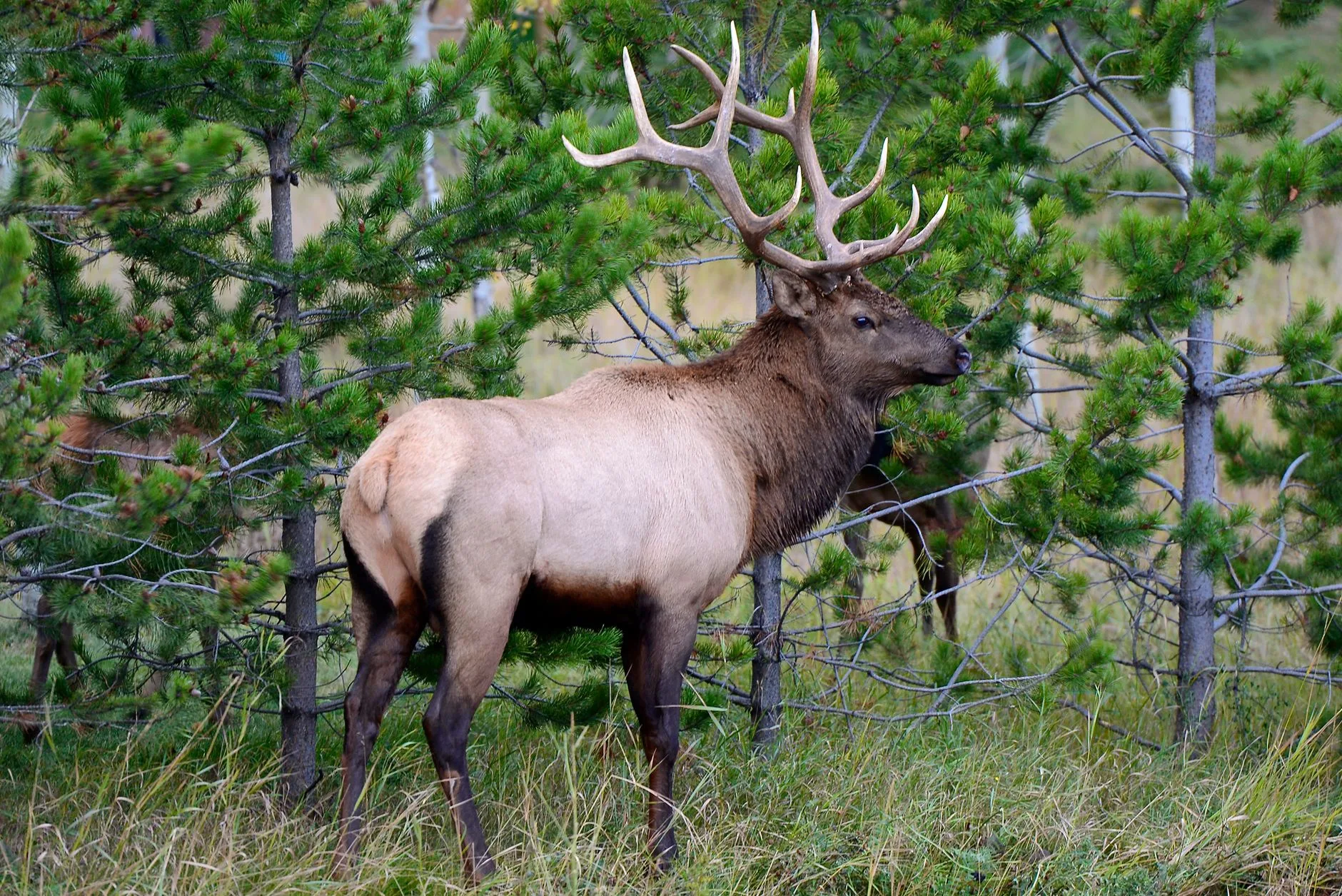
Most elk hunters in Montana will tell you the same story: they put in the miles, they scouted hard, they did everything right — and they still came home empty-handed. So what’s the difference between the hunters who punch tags consistently and the ones who pack out nothing but sore knees? The crew at Fresh Tracks decided to stop guessing and actually ask. They surveyed their audience of public land elk hunters and let the numbers do the talking.
This hits close to home for Montana hunters. We’ve got roughly 27 million acres of public land in this state — national forests, BLM, wildlife management areas — and yet elk hunting success rates on public ground hover stubbornly in the 15 to 20 percent range most years, depending on the district. That means the vast majority of hunters who draw a general tag, lace up their boots, and head into the Bob Marshall, the Beartooths, or the Gravelly Range are walking out without an elk. The pressure is real, and it’s not getting lighter. With over-the-counter elk tags drawing out-of-state hunters in growing numbers and backcountry access points getting hammered on opening weekend, the margin between success and failure is thinner than ever.
What the Survey Actually Found
The Fresh Tracks survey pulled responses from over a thousand public land elk hunters across the West, and a few patterns jumped out hard. The single biggest separator between consistent killers and chronic tag-soakers wasn’t gear, wasn’t physical fitness, and wasn’t the unit they hunted. It was days afield. Hunters who tagged out regularly were spending significantly more time in the field — not just scouting, but actually hunting. That sounds obvious until you look at how few hunters actually log more than four or five days per season. Life gets in the way. Jobs, family, weather. But the data is pretty unambiguous: if you’re only hunting weekends, you’re playing a short-odds game.
The second major finding centered on pre-season scouting, specifically boots-on-the-ground scouting rather than map-and-onX work alone. Successful hunters were far more likely to have physically visited their hunting area in the weeks before the opener — glassing ridges, locating wallows, identifying travel corridors between feed and timber. In a state like Montana where a drainage in the Bitterroot or the Snowcrest Mountains can look completely different on a topo map than it does in person, there’s no substitute for actually being there before the season opens.
A third thread running through the data involved physical preparation. This one stings a little. Hunters who tagged out consistently were more likely to have done structured cardio and pack-weight training in the months leading up to season. Montana’s elk country has a way of humbling people who underestimate it. When you’re glassing a bull from a ridgeline above 8,000 feet in the Anaconda-Pintler and he’s feeding into a dark timber pocket a mile away with 600 feet of elevation between you, your legs either have it or they don’t.
How to Apply This Before September 1st
Archery season opens September 1st in Montana, and the general rifle season follows in late October. That gives you a real window to act on this information rather than just nod at it. A few honest questions worth asking yourself right now:
- How many days are you actually committing to this season? Block them on a calendar now. If it’s fewer than seven, think hard about where you can find more.
- Have you physically walked your hunting area this summer? OnX is a great tool, but it won’t show you where elk are actually feeding and bedding in your specific drainage. Get in there before August is over.
- Are your legs and lungs ready for Montana’s terrain? If you haven’t been hiking with a loaded pack, start now. Even four to six weeks of consistent effort makes a measurable difference on the mountain.
- Are you hunting pressure or hunting elk? Successful hunters in the survey were more likely to push past the crowds — further from trailheads, deeper into roadless areas, later in the morning when other hunters have spooked elk back into the timber.
None of this is revolutionary. But that’s kind of the point. The survey data doesn’t reveal some secret weapon — it reveals that the hunters filling their freezers year after year are doing the fundamentals better and more consistently than everyone else. Montana’s elk country will expose every weakness in your process. Watch the video, take the findings seriously, and be honest with yourself about where your preparation actually stacks up. The mountains don’t care how bad you want it.
Montana's outdoor week, in your inbox at 7am Friday.