
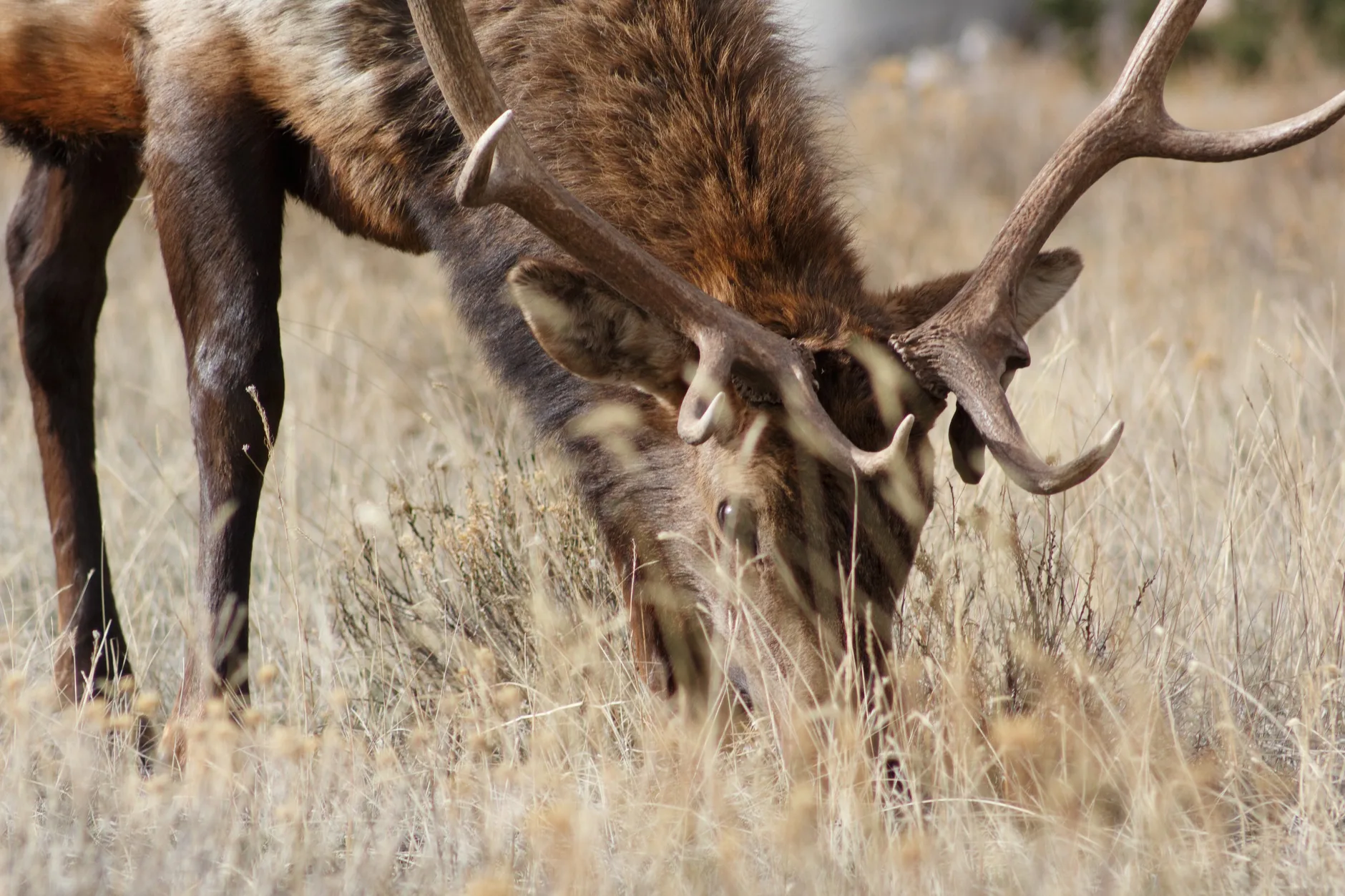
Ask any seasoned Montana elk hunter what killed their best stalk of the season and nine times out of ten the answer is the same: the wind switched and the bull was gone before they ever got to full draw. It’s the quiet killer of spot-and-stalk hunting, and most of us handle it the exact same flawed way — check the wind at the trailhead or the ridge, feel good about it, then put our heads down and focus on closing distance. The new video from Backbone Unlimited makes the case that this single habit — checking once and assuming — is the root cause of more blown stalks than gear, noise, or bad shooting lanes combined.
If you’ve hunted elk in Montana’s Bob Marshall Wilderness, the Beartooths, or anywhere in the sprawling drainages of the Bitterroot, you already know that wind here doesn’t play by simple rules. Thermals cycle predictably in the morning and evening, sure — but the moment you drop into a timber pocket, cross a saddle, or work your way around a rocky point, you can be hunting in an entirely different air current than the one you started in. The Backbone Unlimited video leans hard into this reality, treating wind management not as a checklist item but as an active, ongoing process throughout the entire stalk. That framing is going to resonate with anyone who’s hunted the complex terrain that defines Montana’s best elk country.
Key Takeaways From the Video — Applied to Montana Terrain
The video covers a handful of concepts that are worth pulling out and thinking about in the context of where most Montana hunters are actually operating. Here’s how they translate on the ground:
Thermals have a schedule — use it. In early September, before the rut kicks in and when Montana’s general archery season opens, daytime temperatures in places like the Sun River Wildlife Management Area or the foothills east of the Divide can push into the 70s and 80s. That heat drives thermals uphill through the afternoon. Plan your stalks accordingly: work drainages from above in the morning when air is falling, and expect rising thermals by midday. If you’re still on a stalk at 2 p.m. on a south-facing slope, the air is almost certainly moving up and toward the bull, not away from him.
Terrain creates micro-currents that don’t match the dominant wind. A steady northwest wind on the ridge means almost nothing once you drop two hundred feet into a creek bottom. Coulees, rocky outcroppings, and dense lodgepole pockets all redirect airflow in ways that can put your scent directly on a bedded bull even when your wind app says you’re clean. The fix is simple but requires discipline: squeeze your wind checker every hundred yards during the final approach, not just at the start. Milkweed, a squeeze bottle of powder, or even a cheap lighter-style puffer all work. Use it constantly.
Scent doesn’t travel in a straight line. One of the better points in the video is the reminder that elk are often winded from swirling scent that pools in low spots, not from a clean straight-line current. If you’re easing toward a bull bedded in a draw on the Blackfoot drainage or tucked into timber along a Gallatin creek bottom, your scent can curl down into that depression and fill it like water in a bowl — long before you’re in bow range. Approach from the side or above whenever the terrain allows it, and treat low-lying areas as scent traps.
Wind-checking is a two-person job. If you’re hunting with a partner — and wilderness elk hunting in the Bob Marshall or the Selway-Bitterroot is almost always safer and more effective with a second set of eyes — designate one person to watch the wind indicator while the other watches the bull. Having eyes on both simultaneously changes how quickly you can adapt when things shift.
Why This Matters More in Montana Than Almost Anywhere Else
Montana’s elk habitat isn’t gentle. The state’s best public land hunting — whether you’re drawing a coveted Region 2 bull tag, hunting FWP block management access in the Crazy Mountains, or packing into a wilderness drainage on a general license — almost always puts you in layered, complex terrain where wind behavior is genuinely unpredictable. There’s no flat Kansas field here where you can set up a crosswind and trust it for four hundred yards. You’re working through timber, over ridges, and into bowls that each create their own airflow patterns.
Montana’s general archery elk season opens in early September and runs through mid-October. The first few weeks are notoriously tricky — bulls are still in late-summer patterns, vocal activity is inconsistent, and warm afternoons create swirling thermals across south-facing slopes. Spot-and-stalk is often the smarter play over calling during this window, but only if you’re willing to play the long game on wind. This video is worth bookmarking before you load the truck whether you’re hunting a two-track in the Elkhorn Mountains or three days deep into a wilderness pack-in.
Backbone Unlimited has been quietly building one of the more honest, tactics-heavy channels in the elk hunting space, and this one holds up. No trophy porn, no sponsor-heavy fluff — just a straightforward breakdown of something most hunters think they already understand but probably don’t. Watch it, take notes, and go buy yourself a good wind checker. You’ll use it a lot more than you think.
Montana's outdoor week, in your inbox at 7am Friday.