
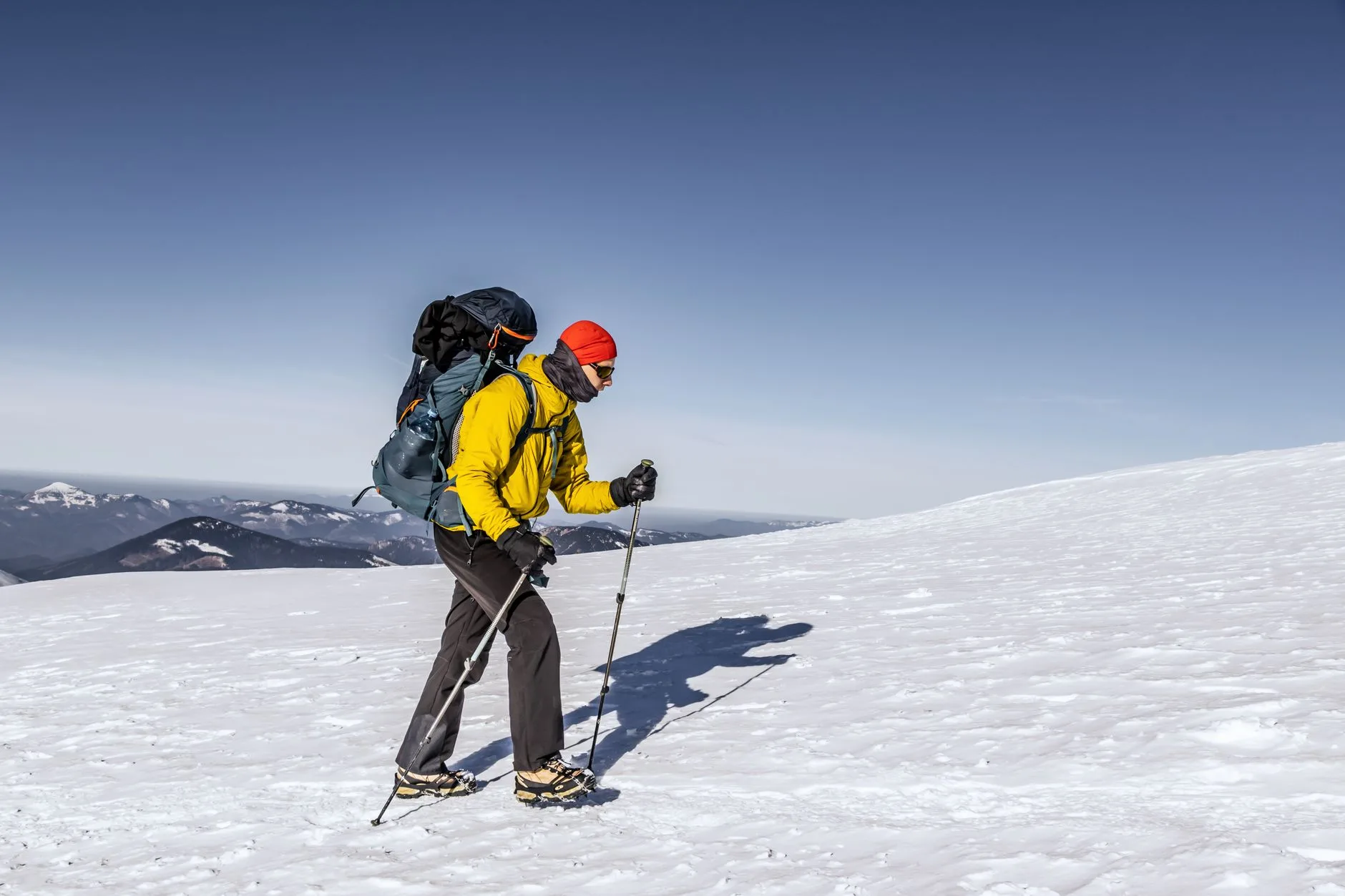
Every fall, thousands of out-of-state hunters pull into Montana convinced their treadmill miles and deadlift PRs have them ready for the mountains. Most of them are wrong — and they find out the painful way, usually somewhere on a steep sidehill above 8,000 feet with a pack that suddenly weighs twice what it did at the trailhead. The guys at Field Honest put that exact reckoning on camera, and it’s worth every minute of your time before you start packing your gear for a Montana mule deer tag.
The setup here is familiar to anyone who’s guided or hunted hard in Montana’s high country: a capable, motivated hunter — in this case a Missouri whitetail guy who clearly knows his stuff at home — runs headfirst into the reality of elevation, thin air, and terrain that doesn’t negotiate. What makes this video more honest than most is that it doesn’t just document the suffering. It actually breaks down what preparation should have looked like. That’s the rare part. Montana’s general mule deer season typically opens in late October, and the bulk of public land mule deer country — think the Missouri Breaks, the Beartooths, the Absaroka-Beartooth foothills, and the vast BLM country in the southwest corner — demands that hunters arrive in shape to cover serious miles on serious grades. A whitetail hunter in Missouri might walk a few hundred yards to a stand. A mule deer hunter glassing off a ridge in Beaverhead or Granite County might cover eight miles and gain 2,000 feet of elevation before 10 a.m.
The altitude piece is what gets people most off-guard. Much of Montana’s best mule deer habitat sits between 6,500 and 9,500 feet. Guys flying in from the Midwest or South are often starting at or near sea level. Even fit hunters can feel the effects — labored breathing, elevated heart rate, disrupted sleep — within the first 24 to 48 hours. Montana Fish, Wildlife & Parks doesn’t include an acclimatization requirement on your deer tag, but maybe it should come as a suggestion. Build in at least two days before you plan to hunt hard, hydrate aggressively, and resist the urge to push the first morning like you’re back home.
If you’ve drawn a Montana mule deer tag this fall, or you’re already planning a 2027 application, watch this video now — not two weeks before your hunt. The preparation window matters. Start weighted pack walks on the steepest terrain you can find locally, and if you’re pulling a do-it-yourself hunt on public land, spend time with OnX learning your unit’s elevation profiles before you ever set foot in the state. Montana’s mule deer are absolutely worth the effort. The mountains just don’t care about your effort unless it’s the right kind.
Montana's outdoor week, in your inbox at 7am Friday.