
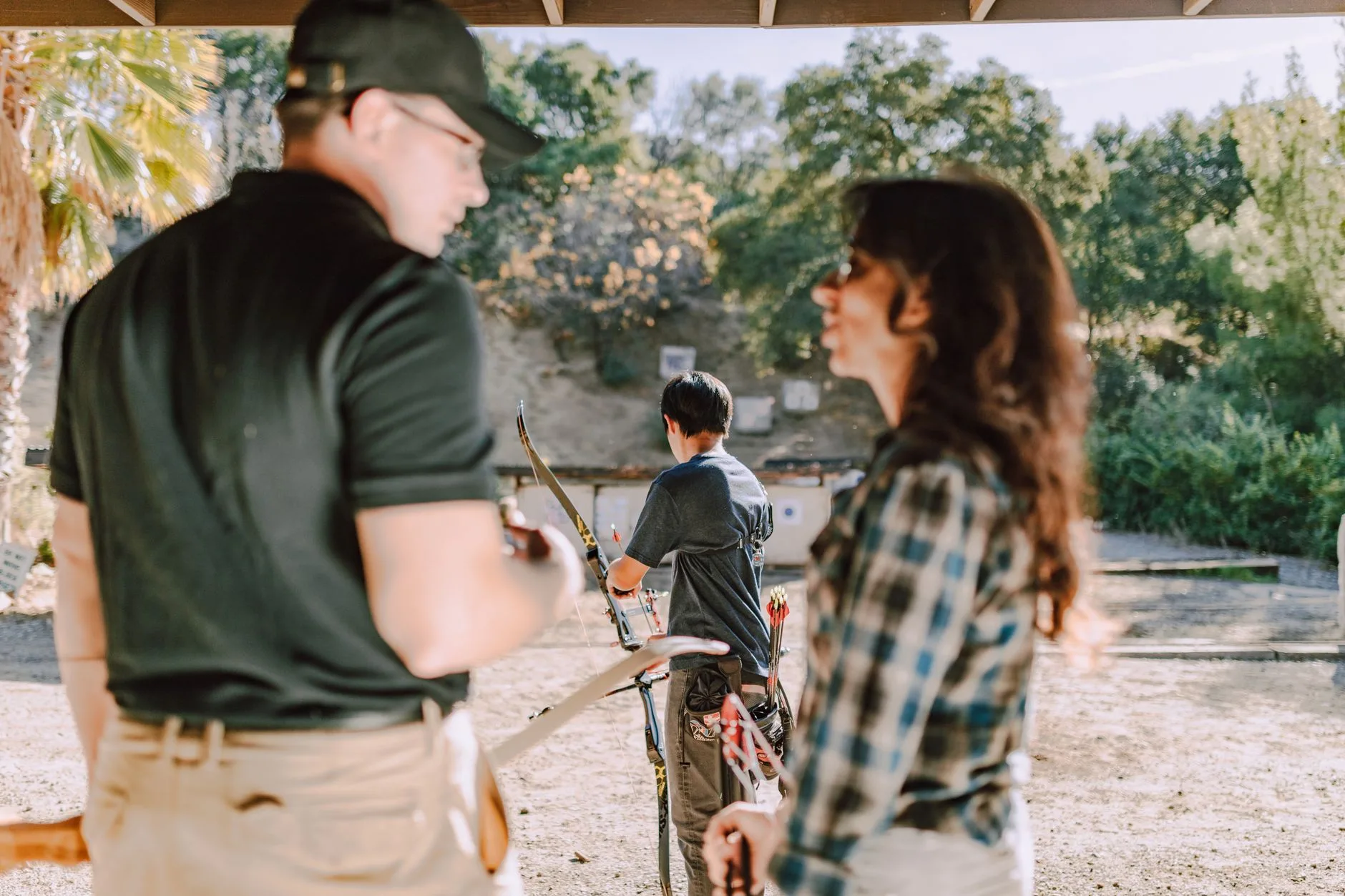
The September 1 archery opener is days away, and if you’re a Montana bowhunter, you already know what that means: the alarm is going off before light, your boots are staged by the door, and there’s a low-grade electricity running through everything you do. This is the week. The one you’ve been planning toward since you tagged out last fall.
But before you load the truck and head for the timber, run through this checklist. Every season, good hunters lose opportunity not because the elk weren’t there, but because something avoidable went sideways — a dull blade, an expired license, a bow that’s shooting two inches left after a summer in the garage. Don’t let that be you in 2026.
Confirm Your License and Tags Now
This one sounds obvious, but it catches people every single year. If you haven’t already confirmed your Montana archery elk license and tags are in order, stop reading and go do that first at fwp.mt.gov. Montana Fish, Wildlife & Parks manages licensing and regulations, and the specifics — including any district-level restrictions, permit requirements, or season boundary details — can change. Don’t rely on what a buddy told you worked last year. Verify your own situation directly with FWP before you leave the driveway.
Also check: Is your Hunter Education certification on file? Do you have your base license squared away in addition to your elk tag? If you’re hunting any special permit or limited-entry unit this fall, double-check that your paperwork matches the hunt number exactly. Bureaucratic mismatches have a way of surfacing at the worst possible moment.
Bow Tune and Shooting Form: Get Back to Honest Shooting
A bow that sat in a case all summer is a bow that needs attention. String stretch, cam timing drift, and peep rotation are all real issues that creep in over months of inactivity. Before you touch a broadhead, shoot a full session at close range and diagnose what’s actually happening — not what you assume is happening.
- Check your arrow rest alignment and make sure your D-loop hasn’t shifted or worn through.
- Paper tune at close range to confirm your arrow is flying clean before moving to distance.
- Shoot from your knees, from a steep downhill angle, and from a sitting position. Elk rarely present themselves from a flat, comfortable stance.
- Shoot until the shot surprises you. If you know when the bow is going off, your form has slipped. Get it back.
Broadhead flight is its own test. Mechanical or fixed blade, confirm your broadheads are grouping with your field points at distance before you trust them on an animal. A broadhead that flies three inches different is a problem you need to solve at home, not in the field.
Gear Check: What You Actually Need vs. What You’ve Been Accumulating
Early September in Montana can swing from shirt-sleeve warm during the day to genuinely cold at elevation by evening. The Bob Marshall Wilderness, the Elkhorns, the Beartooths, the Cabinets — wherever you’re headed, the weather will do what it wants, and early archery season often means sweating on the way in and layering up on the stand.
Pack the Right Layers
Scent control starts with moisture management. If you’re soaked through from a hard approach hike, your scent situation is already compromised. Breathable base layers and a packable mid-layer give you options. A lightweight, quiet outer shell rounds it out for early morning cold and late-season surprise rain.
Don’t Skimp on the Essentials
- Headlamp with fresh batteries — and a backup
- First aid kit sized for a backcountry situation
- Bear spray, accessible, not buried in your pack — bear country is bear country whether you’re hunting or hiking
- Topo maps and a compass as backup to your GPS unit
- A quality rangefinder, and the discipline to use it before you draw
- Sharp knives — at least two — and a bone saw or pack-out system ready if you’re going deep
Calls and Scents
September 1 puts you right in the early transition period. Bulls are coming out of velvet or finishing the shed, testosterone is climbing, and bugling activity is building toward the peak rut that typically peaks in mid-September. Early in the month, bulls can be call-shy compared to the rut’s peak — a soft cow call or light raking often outperforms aggressive bugling in the opener week. Have a diaphragm call, an external reed call, and an antler or synthetic raking tool in your kit. Read the elk’s response and dial up or down accordingly.
Last-Minute Scouting: Work Smarter This Week
If you haven’t been able to scout all summer, you still have time to make good decisions — but be strategic. Physical scouting pressure in the last 48 hours before the opener can do more harm than good if you’re pushing elk out of a drainage they’d otherwise be in on September 1.
Use onX or another mapping tool to identify water sources, wallow complexes, and transition terrain between feeding meadows and timbered bedding cover. At elevation, south-facing open parks and the edges where timber meets grass are classic early-season staging areas. Look for fresh tracks, droppings, and rubs on aerial imagery where timber edges meet open terrain — then confirm presence with a quick glass session from a ridge rather than a ground-level intrusion that could push elk out of the area.
Trail cameras, if you’ve had them out, should be pulled and reviewed this week. Pay attention to time stamps. Bulls running cameras in shooting light during the last two weeks are bulls worth targeting on opener morning.
Physical Preparation: The Overlooked Element
Montana elk country doesn’t care how accurate you are at 60 yards if you can’t get to where the elk are. Steep drainages, high elevation, and unstable footing are the norm. If you haven’t been conditioning specifically for mountain hunting, the opener week will humble you fast.
Focus on:
- Leg strength and stability: Loaded carries, step-ups, and single-leg work translate directly to steep terrain performance
- Cardiovascular endurance at elevation: If you live at lower altitude, arrive a day or two early to adjust
- Core stability for shooting: You won’t always have time to settle into a perfect stance before the shot
Even moderate physical preparation gives you options in the field that an unprepared hunter simply won’t have when the moment arrives.
Final Mental Prep: Hunt Your Hunt
Montana’s archery elk opener draws hunters from across the country. Some drainages will be crowded. Trailheads will be full. That’s part of it. But the elk are still there, and the hunters who stay patient, hunt smart, and keep their expectations realistic are the ones who consistently find success.
Don’t get rattled by pressure. Have a primary area and two backup plans. Be willing to go deeper, higher, or into nastier country than the next guy. And remember: early September elk are transitioning — they’re not locked into full rut behavior yet. Patience, persistence, and good woodsmanship will win out over aggressive tactics most days.
The Night Before: One Last Check
The night before opener, lay everything out. Physically touch every piece of gear. Confirm your bow is sighted in, your release is functioning, your arrows are straight and your broadheads are tight. Check your license one more time. Set two alarms.
This is the hunt you’ve been waiting for all year. Don’t leave anything to chance that you can control right now.
Montana’s mountains will be waiting. The elk are there. And if you’ve done the work ahead of time, you’ll be ready when the moment comes.
Good hunting.
Montana's outdoor week, in your inbox at 7am Friday.