
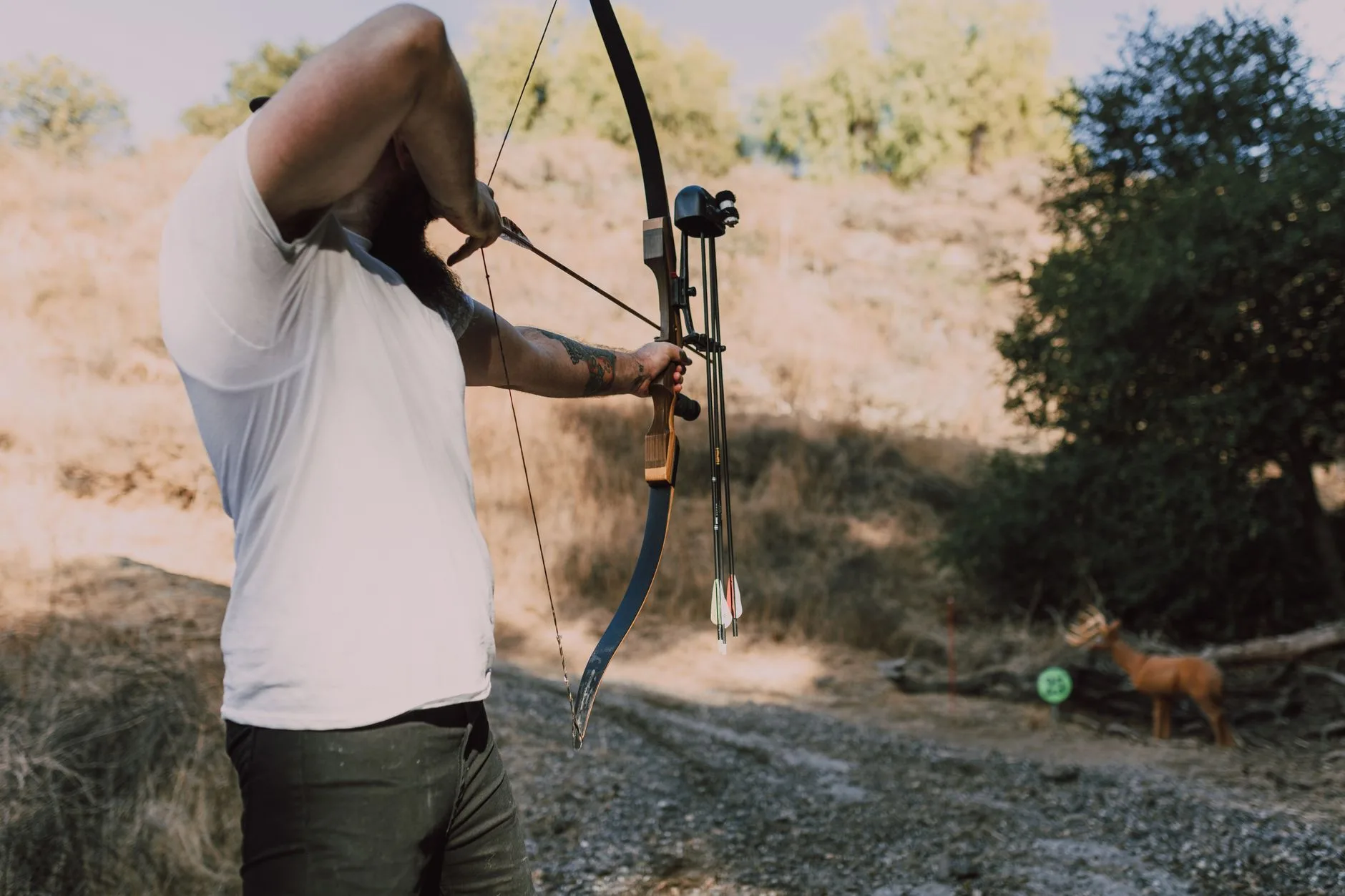
Archery season opens September 1, and if you’re staring at your brand-new tag wondering what comes next, you’re not alone. Every fall, a fresh wave of Montana hunters steps into the September woods for the first time — some with years of fishing experience behind them, others coming in completely cold. The gap between punching a tag at the license office and punching a tag on a whitetail is real, but it’s absolutely crossable. This guide is built to help you bridge it.
Montana archery whitetail hunting is one of the most rewarding ways to chase deer in this state, and September offers conditions that general rifle season simply can’t match — warm days, green timber, and deer that haven’t yet been pressured into nocturnal mode. But early archery hunting has its own set of challenges, and first-timers who show up unprepared tend to learn expensive lessons fast. Let’s skip those lessons.
Know Your Ground Before You Ever Pull Back
The single biggest mistake beginners make in Montana archery whitetail hunting is skipping the scouting phase. Whitetails in Montana are not evenly distributed across the landscape. They concentrate around specific terrain features — river bottoms, agricultural edges, creek drainages thick with brush — and understanding those patterns before opening day separates hunters who fill tags from hunters who watch seasons pass.
In western Montana, look hard at river corridor country. The Bitterroot Valley, the Clark Fork bottomlands near Missoula, and the drainages feeding the Flathead River all hold solid whitetail populations. In eastern Montana, the Missouri Breaks and the Yellowstone River corridor offer exceptional habitat, with deer moving between agricultural fields and the dense cottonwood stands lining the water. North-central Montana around the Hi-Line — Havre country, the Milk River drainages — is quietly one of the most underrated whitetail regions in the state.
For scouting, start with onX or a similar mapping app to identify land status and terrain features, then get your boots on the ground in mid-to-late August. You’re looking for:
- Trails and travel corridors — worn paths between bedding cover and food sources
- Fresh rubs — bucks are already working velvet off their antlers by early September
- Tracks and droppings — concentrated sign tells you deer are using an area regularly
- Water sources — in a warm early September, deer hit water predictably, often in late afternoon
- Food sources — alfalfa and grain fields in agricultural areas, natural browse in forested drainages
Run a trail camera if you can. Even a basic model will show you what deer are using an area, when they’re moving, and whether there’s a buck worth targeting. Give cameras at least a week to gather usable data before season opens.
Archery Gear Setup for Beginners
You don’t need the most expensive setup on the market, but archery whitetail hunting demands gear that fits and functions reliably. A compound bow fitted and tuned at a reputable pro shop is the starting point. If you’re in western Montana, shops in Missoula and Kalispell can set you up and walk you through the basics. In eastern Montana, Billings has solid archery resources. The key word is fitted — a bow set to the wrong draw length or draw weight is both inaccurate and potentially dangerous.
For a beginner targeting whitetails, focus on these fundamentals:
- Bow: A compound bow in a draw weight appropriate for deer hunting — confirm current Montana minimums with FWP rather than relying on any figure you read online, as regulations can change.
- Arrows and broadheads: Match your arrow spine to your bow setup. Mechanical broadheads are often more forgiving for beginners learning to tune, but again, verify what’s legal under current Montana regulations.
- Release aid: A wrist strap or handheld release reduces torque and improves consistency for most beginners.
- Sight: A multi-pin sight gives you flexibility at different distances. Practice at realistic ranges — most archery whitetail shots in timber country happen closer than hunters expect.
- Scent control: Early September is warm. Scent discipline matters enormously at bow range. Scent-eliminating sprays, proper storage of hunting clothes, and paying constant attention to wind direction are non-negotiable.
Tree stands and ground blinds both work well for early season whitetails. Ground blinds can be brushed in near a water source or trail crossing and work especially well in open agricultural country. Tree stands put you above a deer’s primary scent detection zone and give you a downward shot angle that promotes clean pass-throughs. Whichever you choose, set it up well before season — a week at minimum — so deer have time to accept it as part of the landscape.
Reading September Deer Behavior
Early September whitetails in Montana are still in summer mode. Bucks are grouped or solo, recovering from antler growth, and focused heavily on feeding. Does and fawns are visible and active. The rut is weeks away. This is actually good news for beginners — early season deer are more predictable than rut-crazed November bucks, and they follow reliable patterns tied to food and water.
Hunt mornings near bedding cover, targeting deer heading back after feeding. Hunt evenings near food and water sources, catching deer as they move out to feed. Wind is everything at this stage — always position yourself so your scent blows away from where you expect deer to approach. In Montana’s river bottoms, thermals can be unpredictable in early morning and evening transition periods, so pay close attention to how air is actually moving rather than relying entirely on forecasts.
Patience is your primary weapon in archery whitetail hunting. Resist the urge to move or fidget. Deer that survive to adulthood have done so by detecting exactly the kind of small movements and sounds that impatient hunters make. Settle in, stay still, and let the deer come to you.
The Shot and What Comes After
When a whitetail steps into range, the sequence matters. Come to full draw only when the deer’s head is behind an obstruction or looking away. Aim for the heart-lung zone — a broadside or slight quartering-away presentation is ideal. Wait for a clear, ethical shot rather than forcing a marginal one. At close range with a whitetail, patience in those final seconds pays off more than anything else you’ll do all season.
After the shot, mark exactly where the deer was standing, note the direction it ran, and then — this is hard for first-timers — wait. Give a well-hit deer at least thirty minutes before you begin tracking, longer if the shot placement leaves any doubt. Moving in too quickly and bumping a deer that would have expired nearby is one of the most common and heartbreaking mistakes new hunters make.
Follow blood sign methodically, marking each spot as you go so you can return to your last known point if the trail goes cold. A whitetail hit well in the vitals typically doesn’t go far, but dense September brush can make recovery challenging even on short runs.
Field Dressing: Getting the Meat Home Clean
Field dressing a deer is the first step in turning a successful hunt into table fare, and it needs to happen promptly — especially in Montana’s warm early September temperatures. Here’s a practical overview for first-timers:
- Position the deer on its back on a slope if possible, head uphill.
- Using a sharp fixed-blade knife, make a shallow cut from the base of the sternum down to the pelvis, being careful not to puncture the stomach or intestines.
- Remove the entrails, working carefully around the gut. Save the heart and liver if you want them — they’re excellent table fare and part of the tradition.
- Prop the body cavity open to allow heat to escape and airflow to begin cooling the carcass.
- Get the deer out of the field and into cooled conditions as quickly as possible. If temperatures stay warm, skin the deer as soon as you have it hung to accelerate cooling.
Invest in a quality skinning and boning knife before the season rather than grabbing whatever’s in the kitchen drawer. A sharp, purpose-built blade makes field dressing dramatically cleaner and faster. Many Montana hunters also carry a small bone saw for the pelvis and chest if they plan to quarter deer in the field for pack-out.
If you’re new to processing, many small-town Montana meat processors will do the job for a reasonable fee. There’s no shame in using a processor your first year while you build the skills and confidence to handle it yourself. The goal is clean, quality venison — however you get there.
Regulations: Check Before You Go
Montana archery whitetail regulations, licensing requirements, and zone-specific rules are managed by Montana Fish, Wildlife & Parks. Before you head into the field, confirm all current rules — legal equipment, licensing requirements, reporting deadlines, and any zone-specific restrictions — directly at fwp.mt.gov. Regulations can change year to year, and the consequences of hunting out of compliance are serious. Don’t rely on last year’s rulebook or anything you read online, including this article.
Your First Season Starts Now
The best thing you can do for your Montana archery whitetail season between now and September 1 is get outside. Scout your ground, practice at the range until your shot is automatic under pressure, and get your gear dialed in so nothing surprises you opening morning. The September woods in Montana are genuinely beautiful, and whether you fill your tag or come home with a pile of lessons and a renewed sense of what this state offers, you’ll be a better hunter for having been out there.
First-timers, we want to hear from you — drop a comment below and tell us where in Montana you’re planning to hunt whitetails this archery season. If you’re a veteran hunter with tips for beginners, share them. This community is how new hunters find their footing in a big, unforgiving, and deeply rewarding state.
Montana's outdoor week, in your inbox at 7am Friday.