
BRETT FRENCH | bfrench@billingsgazette.com
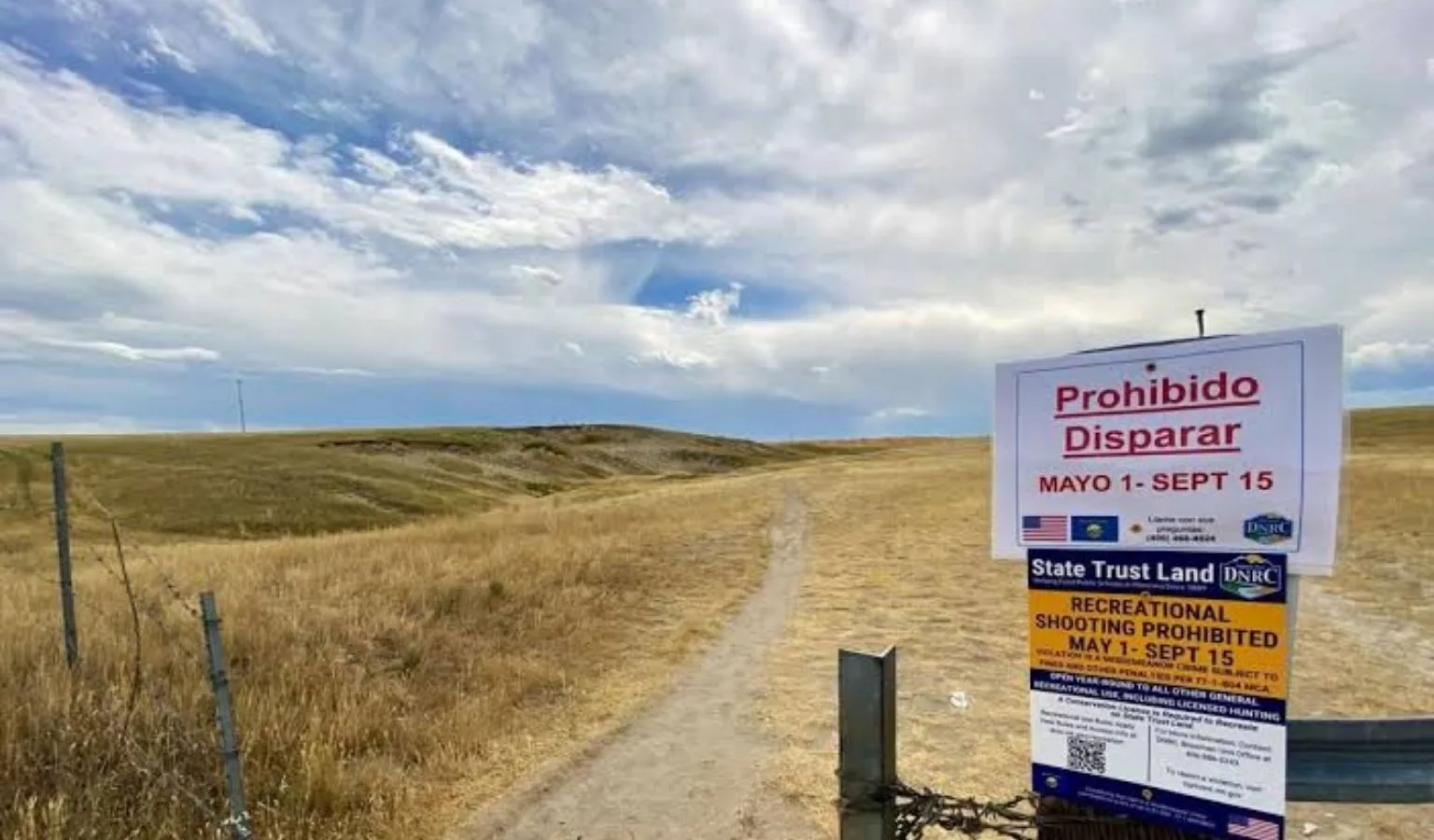
When the Montana Department of Natural Resources and Conservation asked the public in March for suggestions on how to improve rules regarding recreational use of state lands, the topics of trapping and motorized use topped the list.
The DNRC requested comments because some of the rules are 30 years old “and have remained largely unchanged, even as other recreation and state trust land regulations changed over time,” Jessica Hoag, DNRC recreational use and public access coordinator, said in an email.
Eight themes rose to the top of the list through these interactions: camping and overnight use; electric bike (e-bike) use; target shooting; snowmobile use; motorized use/road use; state trust land enrollment within Block Management agreements; the trapping license process; and the Special Recreational Use License process.
Other themes included an increase in abandoned property and vehicles on state lands, the process for recreational use closures and road management.
More than 1,582 people, mostly older Montanans, responded to the survey. DNRC officials also met with hunter and angler access groups, lessees, law enforcement and land managers.
Across all topics, the DNRC found people wanted “greater clarity, consistency, and equitable enforcement.”
Time to comment
The department is now returning to the public to allow more participation. Comments will be taken through Sept. 25. After that, DNRC may form working groups to review the feedback and develop potential language for new rules.
“This additional comment period gives Montanans an opportunity to expand on the issues that matter most to them,” Hoag said in a statement. “State trust lands are working lands, and they are also places where hunting, fishing, camping, hiking and other recreation occurs. Hearing directly from the people who use these lands will help ensure their perspectives inform the department’s ongoing work.”
Any proposed changes will require Land Board approval. The board is composed of the state’s top elected officials.
Paying to play
DNRC manages 5.2 million acres of state trust land, with a large portion of that – 4.1 million acres (79%) – leased for agriculture and grazing. To access state property – which includes fishing access sites and state wildlife management areas – recreationists are required to purchase a conservation license, which costs $8 for adult residents.
In its comments, the Montana Wildlife Federation said some of the state’s “more restrictive rules no longer seem appropriate or fair.”
“According to DNRC, during fiscal year 2026, recreation alone generated $2.4 million for the benefit of Montana’s schools,” Mike Mershon, federation board chair and president, wrote in an email. “For that price, Montanans should be able to camp for more than two days, even if that state land is leased, and backcountry hunters specifically should be able to venture on foot to camp overnight in locations that are more than 200 feet from an access point, otherwise much of our large chunks of state lands remain only accessible to lessees. Camping while using a motorized vehicle, however, should remain limited to 50 feet of an access point.”
Motorized use
When it comes to roads on state lands, most are closed unless otherwise designated as open. The survey’s comments on this topic generated the “sharpest policy divide,” according to the DNRC.
“Most comments focused on off-road travel, particularly by ATVs, UTVs, and motorcycles, which respondents described as causing permanent ruts, erosion, noxious weed spread, and road degradation,” the DNRC said.
“Among varying positions on the subject, slightly more favored tighter restrictions than expanded access.
“A minority commented that motorized recreation is underserved on state trust lands relative to neighboring states and support expanded access.
“Additionally, the department has observed that, beyond lessee notification, the existing rules do not provide a process for opening or closing a road on state trust land. Rules could provide clear and consistent guidelines and considerations for decision-making and related processes.”
Trapping comments lead
No other topic drew as many comments as trapping on state lands, a subject that has cropped up at Montana Fish and Wildlife Commission meetings over the years.
“The most common comment was the risk of traps to non-target animals, particularly dogs,” the DNRC wrote. “Multiple respondents described traumatic firsthand experiences.”
Trappers utilizing state lands are required to possess a Special Recreational Use License, which is issued at no cost.
“Trappers use state trust lands without paying a fee, with limited and insufficient signage to alert the public,” said KC York, president and founder of Trap Free Montana. “In doing so, they profit from and commercialize wildlife while holding no accountability for the nontarget victims, including harm and deaths to beloved pets.”
Some survey respondents “supported trapping as an important wildlife management tool and traditional use of state trust lands,” according to the DNRC.
Chris Morgan, of the Montana Trappers Association, said state land are the only place where trappers are required to post signs alerting the public to the presence of traps.
“I’ve stopped trapping these parcels because: 1. It’s a pretty time-consuming process to apply for the permit, and 2. I’ve experienced significant theft and tampering since I have to advertise being there,” he wrote in an email.
Morgan suggested signage be posted notifying the public that a conservation license is required to access state lands. Right now, he speculated, many users either don’t know about the law or ignore it. In addition to raising revenue, he said enforcement of the rule would force dog walkers to “play by the rules like the rest of us.”
Hunting use, and litter
The state’s Block Management Program, which pays landowners for impacts in return for allowing hunting access, should not add restrictions for public use of adjoining state lands, the Montana Wildlife Federation argued.
“The special hunting restrictions that we’re seeing for Block Management should only apply to the private lands enrolled, and not the DNRC lands that would otherwise not have any special regulations,” Mershon said.
Likewise, he said state land leaseholders should not have exclusive access.
“While there are valid concerns from leaseholders that more public recreation could mean an increase in litter, for example, we should not allow impacts of public use to prohibit public use of state lands,” Mershon said.
Outside the scope of recreational use, DNRC reported it has seen “an increase of abandoned vehicles, campers, and campsites on state trust land.
“There has also been increased occurrence of game cameras, hunting blinds, and tree stands left on state trust land,” the agency noted. “Current rules do not regulate these hunting tools on state trust land, including seasonality, abandonment, or removal.”
Now’s the time to wade in
Considering how many leaseholders there are on DNRC lands, Hoag said she was surprised only 4% commented in the initial survey. She’s hoping they take greater interest now.
“The department hopes to hear from all stakeholders through this and future public comment periods to help ensure well-informed next steps,” she said.
Clearly, the survey responses and stakeholders that did engage with the DNRC “reflect a public that deeply values recreational use of Montana’s state trust lands,” the agency wrote.
“We appreciate the thoughtful feedback we received through the initial survey,” Hoag said.
Montana's outdoor week, in your inbox at 7am Friday.