
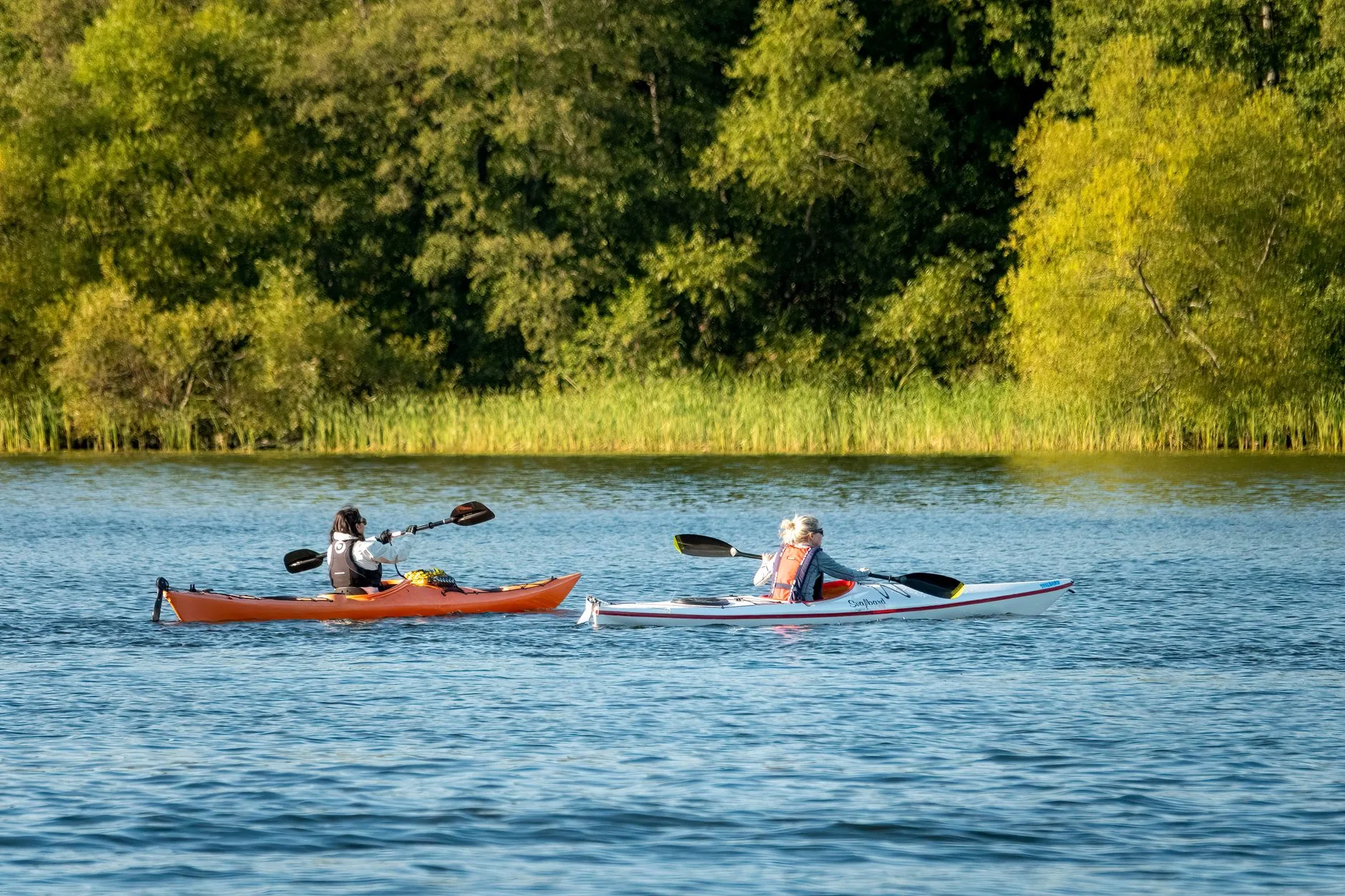
If you’ve launched a kayak or canoe on a Montana river or reservoir lately, you’ve probably been waved into a check station by a game warden. It’s not random — it’s now standard practice, and there’s a very good reason for it. The latest episode from the Wardens series on the WILDLANDS YouTube channel takes you right up to one of these aquatic invasive species (AIS) inspection stations and shows exactly what Montana Fish, Wildlife & Parks wardens are doing, and why every single watercraft — down to the smallest paddleboard — has to stop.
Here’s what’s at stake if you’re an angler or anyone who spends time on Montana’s water: zebra and quagga mussels. These tiny hitchhikers have already devastated fisheries across the Midwest and are now knocking on Montana’s door. They clog irrigation systems, foul boat engines, and — most critically for anyone who loves chasing walleye on Fort Peck, trout on the Flathead, or pike on Noxon Reservoir — they can completely crash the aquatic food web that makes Montana’s fishing world-class. Once they’re in a water body, they’re in. There is no getting them out. That’s why FWP stations wardens at access points on high-risk waters like Tiber Reservoir, Canyon Ferry, and Flathead Lake, and why those wardens are authorized to inspect every watercraft, no exceptions. Kayaks included. Paddleboards included. Your kid’s inflatable river tube? Yep, that too.
What makes this video worth your time isn’t just the warden footage — it’s the perspective shift. A lot of paddlers and casual floaters have pushed back on these check stations, viewing them as an inconvenience or government overreach. But spend a few minutes watching these wardens work and you’ll understand this is one conservation fight where the inspection line really does stand between Montana’s fisheries and a catastrophic, irreversible outcome. Wardens in this video are professional, efficient, and clearly know what they’re looking for. The process is faster than most people expect. And the alternative — watching zebra mussels spread into the Missouri, the Yellowstone, or the Clark Fork — is unthinkable for anyone who fishes or floats in this state.
If you’re heading out on the water this fall — whether you’re chasing late-season brown trout or just taking one last float before freeze-up — make sure your watercraft is clean, drained, and dry before you move between water bodies. That’s not just courtesy, it’s Montana law. Stopping at AIS check stations is mandatory when they’re staffed. Fines for non-compliance are real. More importantly, every angler, paddler, and duck hunter in this state has a personal stake in keeping Montana’s waters mussel-free. Watch this video, share it with your float trip crew, and for the love of a good cutthroat river, stop at the check station.
Montana's outdoor week, in your inbox at 7am Friday.