
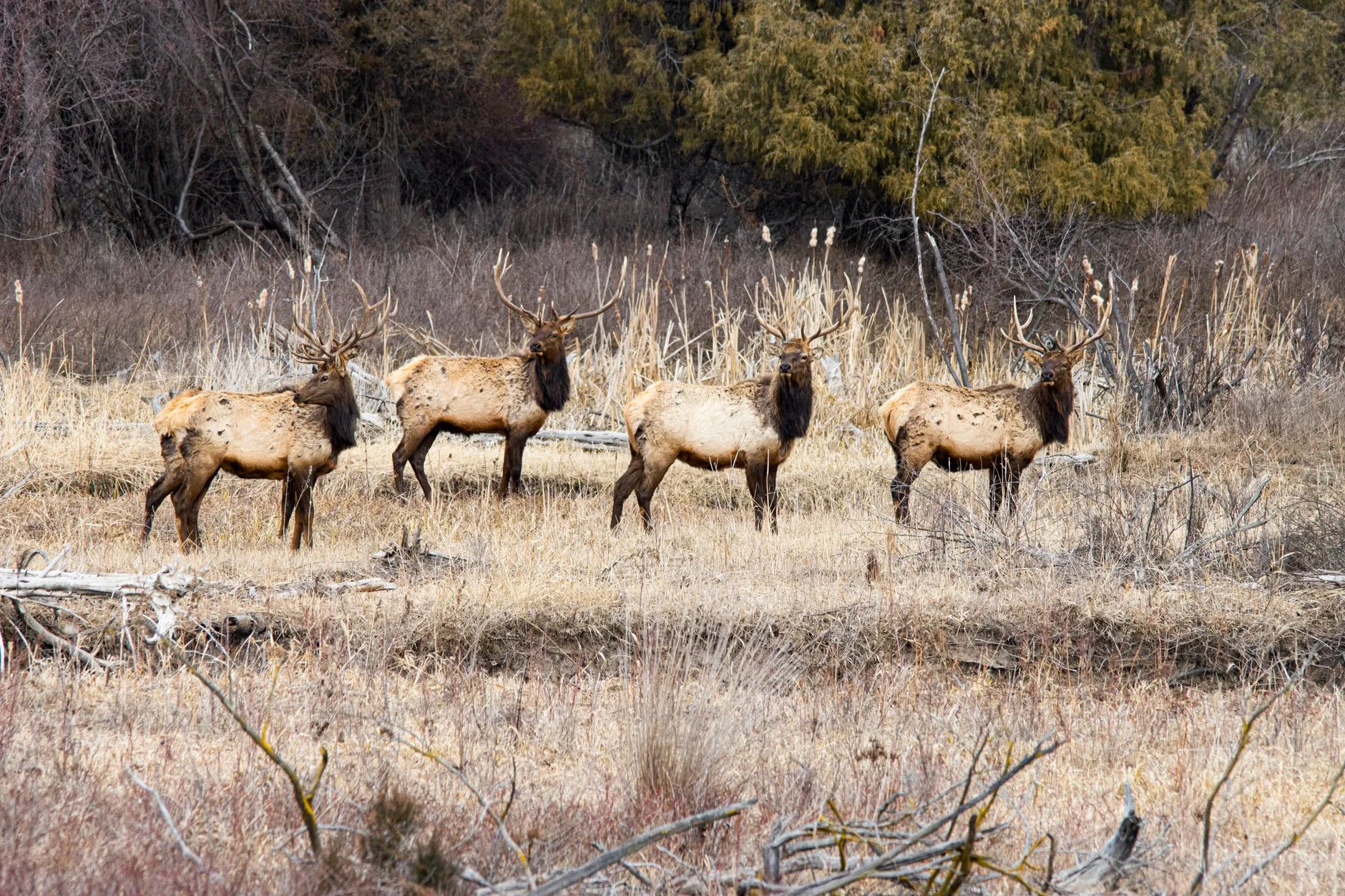
If you’ve spent any time hunting elk in Montana, you know the narrative the state has been selling for years: herds are healthy, habitat is holding, and tags are tight for a reason. But talk to the farmers and ranchers in some of eastern and southwestern Montana’s hardest-hit drainages — places like the Ruby Valley, the upper Musselshell corridor, or the benchlands east of Miles City — and you’ll get a very different story. Out there, elk aren’t a conservation success. They’re a financial liability showing up every morning to graze fields that were meant to feed cattle through a Montana winter.
In this episode of Logged In, Shane Klakken joins local landowners for a firsthand look at what elk overpopulation actually costs — not in abstract population objectives, but in fences torn apart, hay supplies wiped out overnight, and ranch operations stretched to the breaking point. Montana Fish, Wildlife & Parks has long maintained that elk populations in many hunting districts are at or near objective, pointing to herd composition surveys and post-season counts as evidence. But in units like HD 580, HD 621, and parts of the Beaverhead-Deerlodge drainage, the gap between FWP’s population targets and what landowners are actually seeing on the ground has become impossible to ignore.
The state does have tools designed to address depredation. Landowner licenses, B tags in over-objective districts, and the Block Management program all exist in part to give ranchers some relief and keep private land open to hunters. But anyone paying close attention knows those tools haven’t kept pace with the scale of the problem in certain units. When a herd of 200 elk is hitting your hay meadow every night through September and October, a handful of B licenses doesn’t cut it — especially when most of those elk are cows and calves that no one is particularly eager to shoot.
For hunters, this issue cuts closer to home than it might seem at first. The tension between elk numbers and landowner tolerance directly shapes public land access across Montana. When ranchers hit their breaking point, Block Management agreements don’t get renewed, walk-in access gets pulled, and gates go up — sometimes permanently. Hunters who have watched Block Management acres fluctuate in FWP’s Region 5 and Region 7 over the past decade know exactly how this cycle plays out. The elk-depredation problem isn’t just a ranching issue. It’s one of the biggest quiet threats to hunter access in the state, and it deserves more attention than it gets.
The early September window — right before archery elk season peaks and general season applications are still fresh in everyone’s minds — is exactly when these landowner frustrations tend to boil over. Hay is stacked, winter feed supplies are being finalized, and elk are hammering fields in patterns that won’t let up until snow pushes them to lower country, often well after the damage is already done.
What Montana Hunters Can Do Right Now
This isn’t a problem hunters can solve on their own, but there are practical steps worth taking heading into this season:
- Check for depredation hunt opportunities. FWP issues emergency antlerless permits and depredation authorizations throughout the season when landowner complaints escalate. Watch the FWP website and your regional FWP office for late-season additions — these tags often go underutilized simply because hunters don’t know they exist.
- Talk to landowners before you scout. If you’re planning to hunt near private ground bordering public land — whether that’s along the Beaverhead River corridor, the Tongue River breaks, or any number of similar transition zones — a respectful conversation with the landowner goes a long way. Ask if elk are causing problems. Offer to help. You may find access you didn’t expect.
- Use Block Management while it’s still there. Montana’s Block Management program currently enrolls millions of acres statewide, but enrollment has been uneven and some longtime participants have dropped out. Pull the current Block Management atlas for your region from FWP’s website, note which parcels are enrolled, and use that access — it signals value to both FWP and the landowners who participate.
- Submit harvest and encounter data. FWP’s population models depend heavily on hunter-reported data. If you’re seeing large herds on agricultural land during your season, report it through FWP’s online tools or contact your regional wildlife biologist directly. That documentation matters when districts are up for review.
If you care about hunting access, elk management, or just the long-term relationship between wildlife and the working lands that surround so much of Montana’s best public ground, this episode of Logged In is worth your time. The conversation Shane Klakken is having with these landowners is one that hunters should be part of — because if the relationship between ranchers and elk doesn’t improve, it’s hunters who will feel it most when the gates close and the Block Management signs come down.
Montana's outdoor week, in your inbox at 7am Friday.