
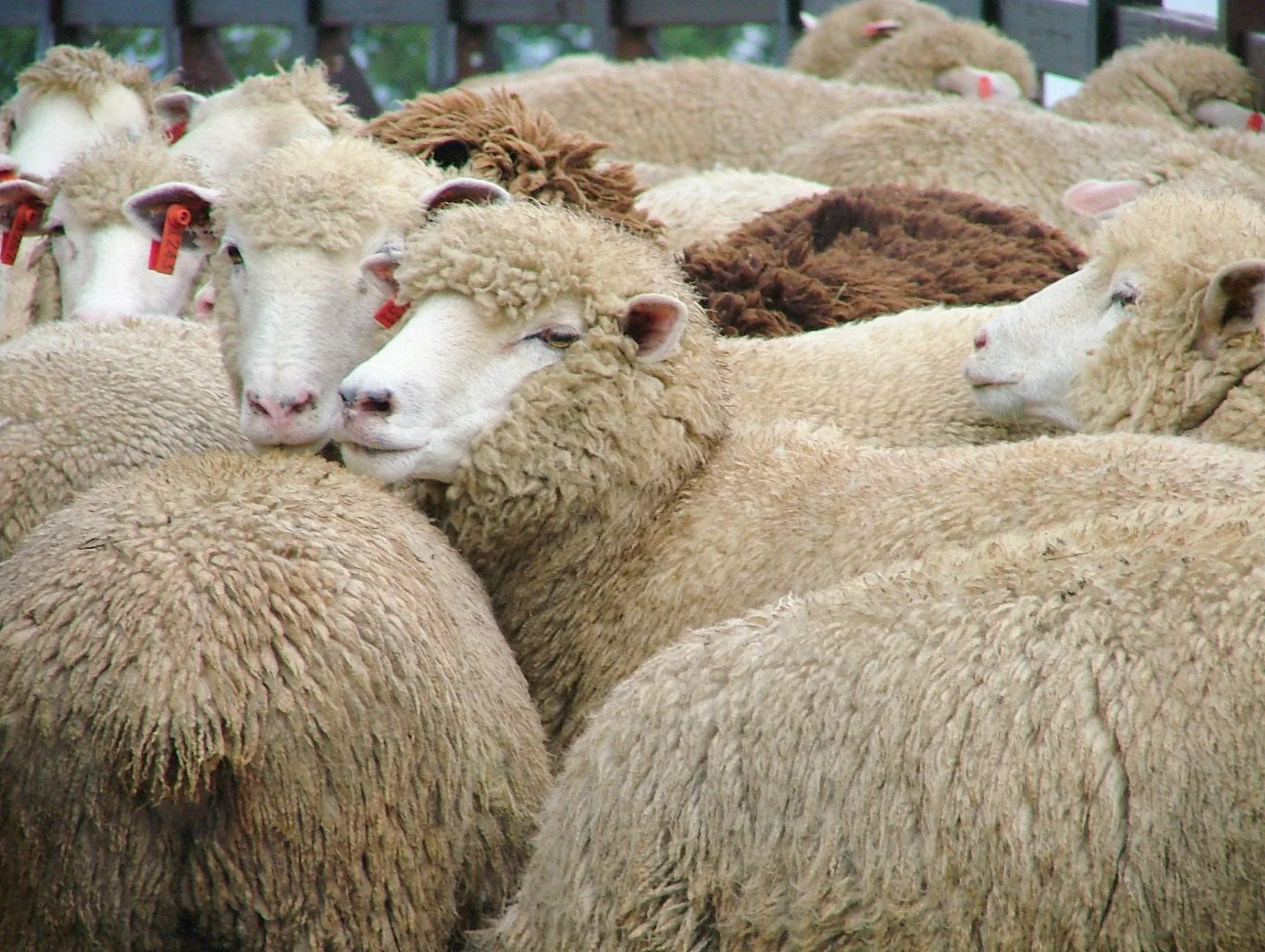
If you’ve ever glassed a rocky ridgeline for bighorn sheep in the Bob Marshall Wilderness or put in for one of Montana’s coveted sheep tags — the kind you might wait a lifetime to draw — this story is going to hit different. Outside the small town of Vaughn, Montana, a rancher quietly pulled off something that sounds like science fiction: he cloned an argali, the largest wild sheep species on the planet, native to the mountains of Central Asia. Then the federal government showed up at his gate.
For Montana hunters, the argali isn’t just some obscure foreign animal. It’s the white whale of the sheep hunting world — a species that draws serious trophy hunters to remote corners of Mongolia and Tajikistan, where tags can run six figures and logistics alone will break most people. The fact that one of these animals was allegedly cloned using smuggled genetic material and is now standing in a pasture between Great Falls and the highline puts this story squarely in our backyard. The Lacey Act — the federal law that prohibits trafficking in illegally obtained wildlife — doesn’t care whether you’re running a boat out of a Louisiana bayou or a ranch outside Cascade County. Montana has seen its share of wildlife crime cases, but nothing quite like this.
Here’s what should really get your attention if you care about wild sheep in this state: the precedent. Montana Fish, Wildlife & Parks manages one of the most carefully regulated bighorn sheep programs in the West. Sheep tags here are allocated through a strict drawing system precisely because wild populations are fragile — susceptible to disease, habitat loss, and competition. The introduction of exotic sheep genetics or species into Montana’s landscape, whether intentional or through escape, isn’t a hypothetical threat. It’s the exact kind of scenario that wildlife managers and organizations like the Wild Sheep Foundation have spent decades trying to prevent. Domestic sheep transmitting pathogens to bighorns remains one of the biggest management headaches FWP deals with on grazing allotments near public lands today.
Animal Kingdom Life TV digs into the full story — the cloning operation, the federal investigation, and the murky legal and ethical territory in between. Whatever your take on the rancher’s motivations, this video raises questions that don’t have easy answers: Who owns wild genetics? Where’s the line between private property rights and wildlife law? And what does it mean for conservation when technology outpaces regulation? It’s a compelling watch, and for anyone who’s ever filled out a sheep tag application in Montana or hiked into sheep country in the Beartooths or the Absarokas, it carries some real weight. Give it a watch and see where you land.
Montana's outdoor week, in your inbox at 7am Friday.