
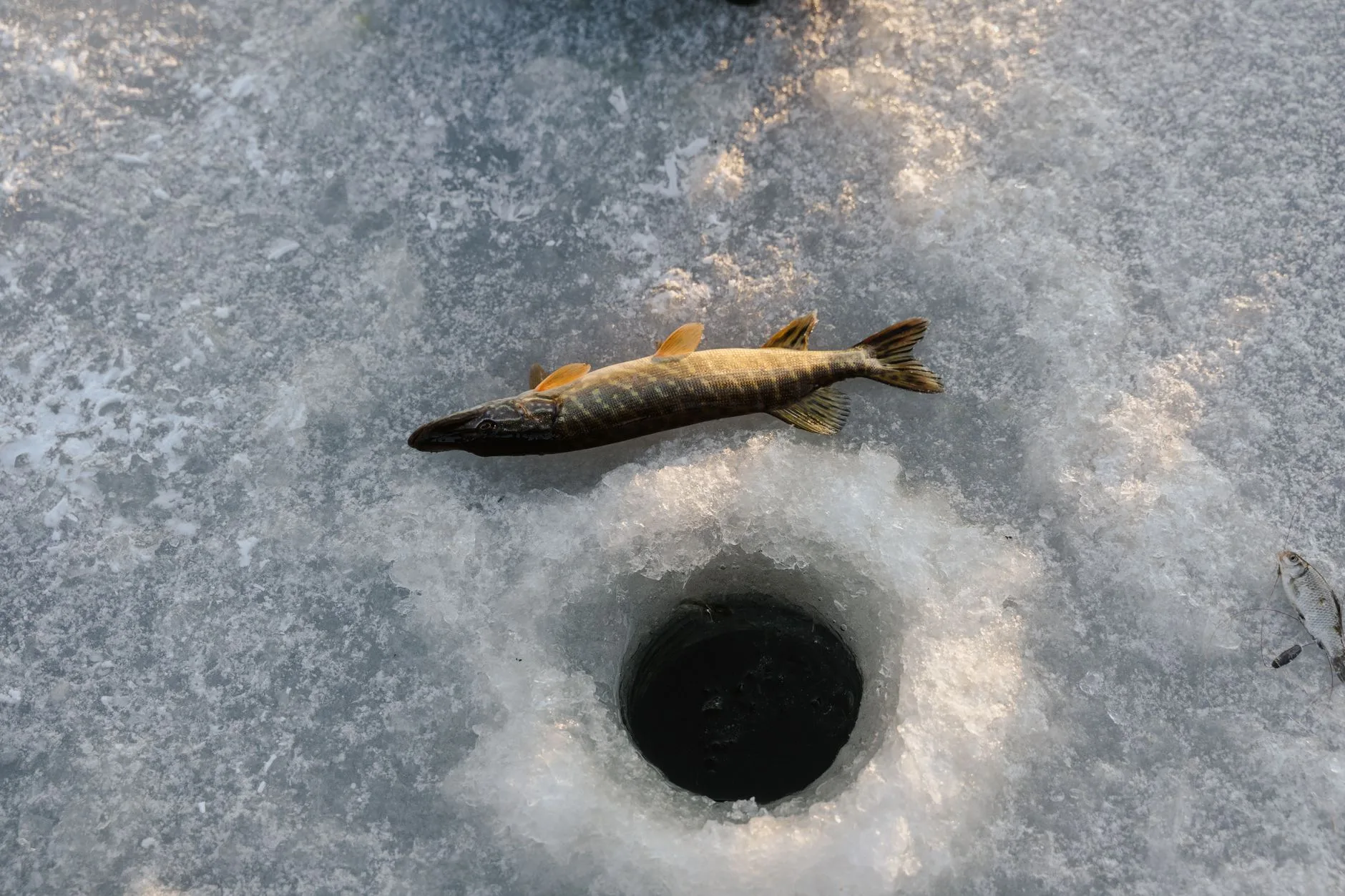
Halloween is two days away and Fort Peck is about to lock up. If you fish eastern Montana and you haven’t made your last open-water run yet, that northwest wind off the Missouri Breaks isn’t just uncomfortable — it’s a deadline. You can watch the sky go steel-gray over the river breaks and feel exactly how many days you’ve got left. Fort Peck and Tiber are a week out from ice, maybe less. This is the window. Don’t waste it.
Why Late October Is Actually Prime Walleye Time
Here’s what casual anglers consistently miss: the weeks right before freeze-up are some of the best walleye fishing of the entire year. As surface temps drop through the upper thirties and push toward freezing, walleye turn into relentless feeders. They’re packing on calories, their metabolisms are still running hot enough to matter, and they compress into predictable structural zones that make them far easier to locate than anything you dealt with during summer’s thermal stratification. In my experience, you’re not hunting scattered fish across 134 miles of reservoir anymore — you’re finding staging fish in specific pockets, and once you’re on them, the bite can be almost embarrassingly good.
The catch is getting there before the ice does.
Fort Peck: Where to Focus Right Now
Fort Peck Reservoir is the main event for eastern Montana walleye, and at nearly 134 miles long, it can feel paralyzing when you’re trying to be efficient. Don’t overthink it. This time of year, fish have pulled back from the main river channel and are staging on secondary points, rock transitions, and the upper ends of major arms where baitfish school ahead of winter.
Focus around the Devil’s Creek and Rock Creek recreation areas on the south side, and the Flat Lake arm on the north. Accessible ramps that stay functional into late fall, and the structural transitions nearby — where soft bottom gives way to rock or gravel — are exactly where you want to be dropping jigs right now. Work mid-range depths: below the thermocline but not dragging bottom all day. Late October Fort Peck walleye aren’t glued to the floor the way they’ll be mid-winter under ice. They’re actively moving. Find the structure, find the bait, and you’ll find the fish.
Presentations That Work in Cold Water
Three rigs have been consistently putting fish in the boat this time of year. A quarter- to half-ounce jig tipped with a paddle-tail swimbait in white, chartreuse, or natural shiner — worked with a slow lift-and-drop cadence, longer pauses than you think you need — is probably the most versatile option. Cold water means slower retrieves. Fight the instinct to speed up.
Don’t sleep on a simple slip-sinker rig with a lively sucker or fathead minnow. Some days the walleye want something that does the work for them, especially when temps really crash. A slow drift along a rock point with live bait will produce on the mornings when active jigging gets completely ignored. And when you’re marking fish on electronics but can’t trigger a strike, go to a blade bait fished vertically — drop it to depth, snap it up sharp, let it flutter back down on a semi-slack line. Strikes almost always come on the fall.
Tiber Reservoir: Smaller Water, Overlooked Late-Season Action
Over on the Hi-Line, Tiber Reservoir near Chester doesn’t get Fort Peck’s headlines. Honestly, that’s part of what makes it worth the drive if you’re coming from the northern part of the state. It consistently produces quality walleye through fall. Tiber also tends to run shallower overall, which means it freezes faster — your window there is even tighter than Fort Peck right now, so if Tiber’s on your list, it’s this weekend or it’s next spring.
The VFW Campground ramp and the dam area give you solid access into the main basin. Work rocky shoreline transitions and the structure around the dam face, where walleye stack up hard in fall. Fair warning: Tiber carries a healthy northern pike population, and if a big toothy fish hammers your walleye jig on a rock point, that’s not a surprise — that’s just Tiber. Pike are aggressive in cold water and they fight well. Not a bad consolation prize.
Logistics: Make This Weekend Count
Before you load the truck, a few things worth sorting out. Call the Corps of Engineers office at Fort Peck or check current conditions before you trailer down an unfamiliar ramp in the dark — late October means dropping reservoir levels and potential overnight ice on boat ramps, and finding that out the hard way at 5 a.m. is a miserable way to start a fishing day.
Dress for immersion, not just for cold. A float coat or inflatable PFD is non-negotiable this time of year. Reservoir water temperatures in late October can kill you fast if something goes wrong, and a capsize isn’t just an inconvenience — it’s a survival situation. Dress accordingly.
On regulations: confirm current walleye seasons, slot limits, and possession limits with Montana Fish, Wildlife & Parks before you go. Same goes for northern pike at Tiber and Fort Peck — both waters have specific pike rules. Don’t rely on last year’s memory. Check fwp.mt.gov and go out right.
The Window Is Closing — Go Now
There’s a particular kind of melancholy to the last open-water day of the season — and you don’t always know it was the last one until you’re already on the road home. This weekend and next are realistically the final shots for most eastern Montana anglers. The walleye don’t stop being catchable when ice forms, but you do stop being able to reach them without a power auger and a sled. Fort Peck will be there in April. But this bite, in these conditions, on open water — that’s gone the moment the ice sets. Go spend whatever days are left on the water. You’ll regret it if you don’t.
Montana's outdoor week, in your inbox at 7am Friday.