
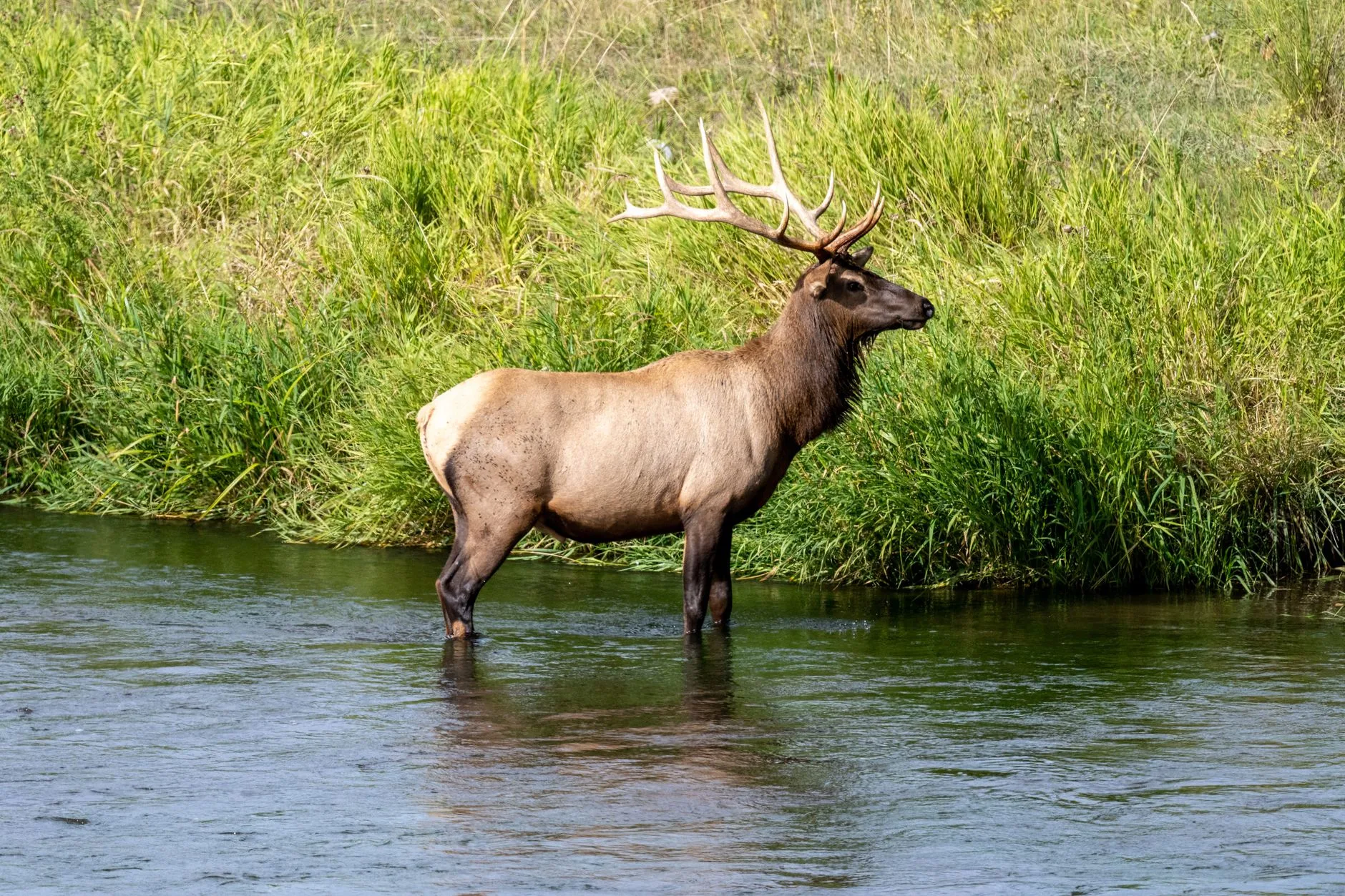
A single illegal bull can cost a man five figures in restitution and his hunting privileges in most of the country. Not a slap on the wrist. A real, lasting problem. And it usually starts the same way: a hunter finds a gut pile with no tag, a rancher hears a rifle crack after legal light, or somebody spots a bull dumped on a Forest Service road with only the antlers gone. From there, a Montana game warden starts building a case.
If you’ve been following Montana elk poaching cases in the news, here’s how these investigations actually play out and what’s riding on them for the folks who get caught.
How Montana Elk Poaching Cases Get Solved
Most poaching cases don’t begin with a warden happening to be in the right place at the right time. They begin with a tip. Montana’s TIP-MONT hotline (1-800-847-6668) takes anonymous reports, and rewards are available when the information leads to a conviction. Wardens also build cases from game check station data, social media (a surprising number of poachers photograph their own evidence), butcher shop reports, and ballistics matching.
The evidence out in the field carries a lot of weight. Wardens look for shell casings, drag marks, boot prints, and tissue samples. FWP’s wildlife forensic lab can tie DNA from a carcass to meat found in a freezer, and it can match a bullet to a specific rifle. Honestly, that’s the part most poachers never see coming. If you stumble on a suspected kill site, leave it alone. Note the GPS coordinates, take photos, and call TIP-MONT or the nearest FWP regional office.
What Poachers Face in Montana
The penalties for illegally taking an elk go well beyond a fine. Depending on the violation, a poacher can face:
- Criminal fines and jail time: Unlawful possession or killing of a trophy animal like a bull elk can be charged as a felony in some circumstances, and misdemeanors still carry fines and possible jail time.
- Restitution: Montana law sets restitution values for illegally taken game. Trophy bull elk values can reach into the thousands of dollars.
- Loss of hunting privileges: Courts can revoke hunting, fishing, and trapping privileges for years.
- Interstate consequences: Montana belongs to the Interstate Wildlife Violator Compact, so a revocation here can follow you into most other states.
- Forfeiture: Rifles, vehicles, and the animal itself can be seized.
Check the current Montana Code Annotated and FWP’s regulations booklet for exact figures. Restitution schedules and statutes get updated, and you don’t want to be quoting old numbers.
Your Role: Report It, Document It, Hunt Clean
Poaching steals from every licensed hunter. Elk permits in districts like the Missouri Breaks and the Bitterroot are hard to draw, and every illegally killed bull is one fewer for a hunter who waited years for that tag. If you ask me, that’s the real cost, and it’s the one that doesn’t show up in a court docket. Here’s how you can help:
- Know your district. Verify your elk hunting district, legal weapon, and season dates before you leave the truck. Plenty of violations start with “I thought I was in the right unit.”
- Tag immediately. Validate your tag at the kill site per FWP rules, and keep proof of sex naturally attached as required.
- Report what you see. Write down the vehicle description, plate, time, and location, then call TIP-MONT. You don’t need to confront anybody.
- Check private-land access. Block Management and public access boundaries matter. Trespass and poaching charges often travel together.
The takeaway: Montana’s wardens, forensic lab, and tip line are far better at this than most poachers figure, and the consequences stick around for years. If you know about a case, make the call. If you’re hunting, hunt it right.
Montana's outdoor week, in your inbox at 7am Friday.