
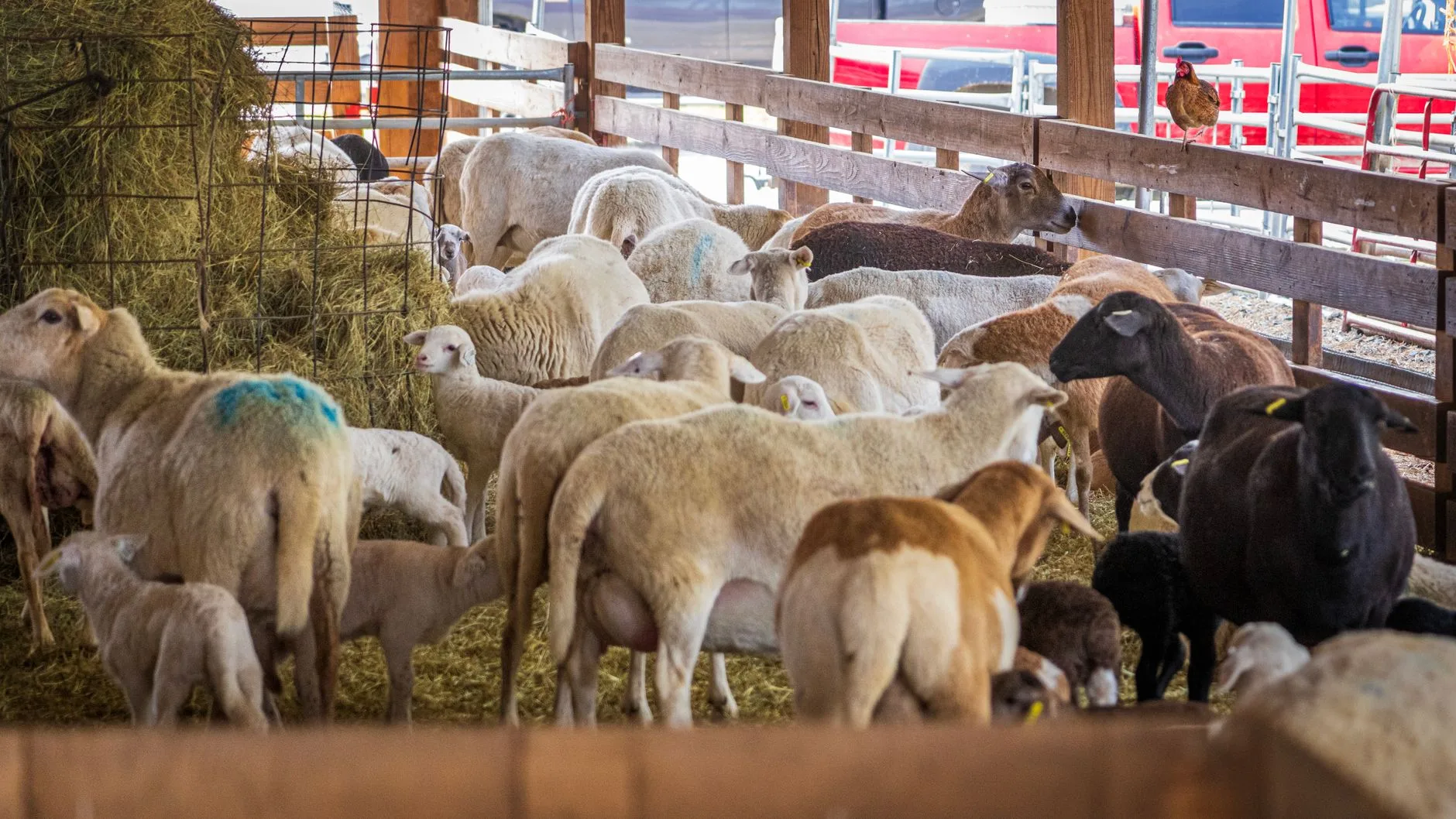
Sixty days. That’s how long a 120-pound ewe with a red tag in her ear has been gone from a Montana ranch, and nobody can say where she went. Most missing sheep trace back to a latch somebody forgot. Not this one. She’s no ordinary ewe, and her owner isn’t the only one losing sleep. Wildlife officials fear she could carry a disease threat to wild herds, while her owner has a different theory about what happened.
If you hunt sheep country, or any ground where wild ungulates share the landscape with livestock, pay attention. The sky isn’t falling. But this is a clean look at how thin the line gets between a private ranch and public wildlife.
Why a Missing Ewe Is a Wildlife Problem
The reporting calls her a cloned ewe, which is where the “Frankenram” nickname came from. Great headline. What hunters ought to care about is the worry officials have raised: that she may carry a deadly threat to wild herds. The source doesn’t spell out every detail of that concern, and I’m not going to guess past what’s been reported. What I can give you is the principle that makes a case like this a big deal out here.
Domestic sheep and wild bighorns have a long, well-documented history of trouble when they mix. Respiratory disease passed between the two has given bighorn managers across the West headaches for decades, and you can picture it easily enough on the herds along the Missouri Breaks or up the Rocky Mountain Front. Bighorns are among the hardest-earned animals in Montana. A herd that took years to rebuild can get knocked flat by one bad contact. Honestly, that’s why any domestic sheep unaccounted for near wild sheep range gets taken seriously. It should.
The Owner’s Theory
According to the source, the ewe’s owner doesn’t share the officials’ level of worry and has a different idea about what happened to her. I won’t put words in anybody’s mouth. Here’s the straight summary: a disagreement, a missing animal, and no resolution yet. If that changes, follow the original coverage and any official updates.
What This Means If You’re Out There
You don’t need to do anything dramatic. But a few habits are worth reinforcing.
- Know what you’re looking at. A ewe with a red ear tag is domestic, not wild. A tagged sheep far from any ranch is unusual, so take note.
- Note the location. Mark it on your phone or GPS, and grab a photo from a distance if you can do it safely.
- Don’t try to catch or haze it. Chasing a loose animal usually creates more problems than it solves, and you don’t want to carry anything between animals on your gear or clothing.
- Report it. Call Montana Fish, Wildlife & Parks or the Montana Department of Livestock with your location, the date, and a description. Confirm the right number with the agencies directly, not off a comment thread.
One more thing, and it’s the habit I’d push hardest. If you hunt wild sheep country and also spend time around domestic flocks, think hard about where your boots, clothes, and gear have been. Most of us never give it a second thought. We should.
The Bigger Picture for Montana Sportsmen
Ranches, public land, and wildlife overlap constantly in this state. That overlap is half of what makes Montana a great place to hunt and live, and it’s why a story like this one hits the way it does. Wild sheep tags are among the most coveted we’ve got, and the animals themselves represent decades of conservation work. Hunters have a real stake in how this gets handled.
If you ask me, these situations go best when ranchers and wildlife managers talk early and in good faith. A missing animal is a rancher’s loss first. But once there’s a possible wildlife implication, the faster everyone’s talking, the better the odds of a quiet resolution.
For now, the ewe’s still out there somewhere, and nobody outside the investigation can responsibly fill in the rest. Keep your eyes open in the backcountry, and if something doesn’t belong, report it. Before you head afield this season, check current regulations and local advisories with Montana FWP.
Source inspiration: Yahoo News
Montana's outdoor week, in your inbox at 7am Friday.