
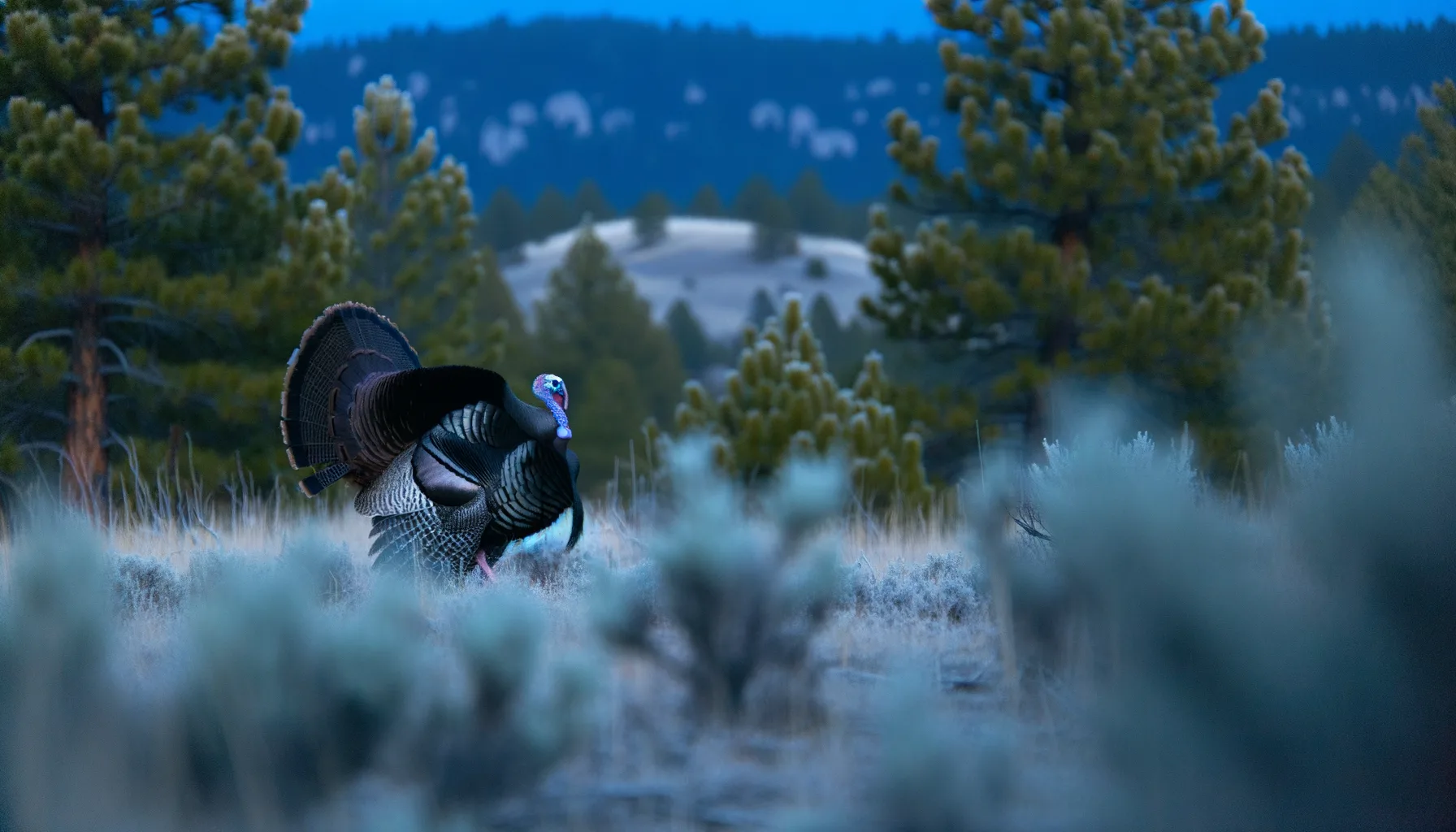
About five weeks. That’s what stands between you and the sound of a Merriam’s tom hammering from a ponderosa ridge at first light. Montana’s general spring turkey season opens April 15, 2026 — verify the exact date against FWP’s official 2026 spring turkey regulations at fwp.mt.gov, as FWP sets season dates annually and they can shift — and if you haven’t started thinking about birds yet, mid-March is your last comfortable window to get ahead of the game. Tags are limited in certain districts, calls take time to learn, and the birds are already starting to move. Here’s how to use the next month wisely.
Grab Your Tag Before It’s Gone
Montana Fish, Wildlife & Parks manages spring turkey through a combination of general licenses and limited districts, and some of those limited-entry tags sell out faster than hunters expect. For 2026, check FWP’s licensing portal immediately if you haven’t already. Hunting District 410 in the Bitterroot Valley and several eastern Montana river-bottom districts have historically moved through their quotas before April even arrives — confirm current quota availability on FWP’s portal, as sellout patterns can vary year to year. Don’t assume a tag will be waiting for you the day before the opener.
If you’re hunting public land in the Missoula, Bozeman, or Billings-area districts, a general spring turkey license is your ticket — but verify your specific hunting district on the FWP regulations before you buy. Tags are available online at fwp.mt.gov or at any FWP regional office and licensed vendor. The resident turkey license has historically been one of the best deals in Montana hunting — confirm the current fee on FWP’s 2026 fee schedule, as license prices are subject to adjustment. Buy it today.
Where to Find Merriam’s Birds Right Now
Merriam’s turkeys in Montana follow a predictable late-winter pattern that makes mid-March scouting incredibly productive. Right now, toms are just beginning to break from winter flocks and establish early dominance hierarchies. You’ll find them in transitional zones — places where open, south-facing grasslands or ag fields meet stands of ponderosa pine.
Some of the most consistent public land opportunity in the state sits along the Musselshell River corridor in central Montana, the Missouri River Breaks within and along the Charles M. Russell National Wildlife Refuge corridor, and the timbered foothills of the Elkhorn Mountains southwest of Townsend. In western Montana, the lower Bitterroot drainage and public ground tucked against the Sapphire Mountains hold birds year after year.
Get out with binoculars in the morning and glass south-facing slopes and creek drainages. Turkeys are visible right now because the landscape is still open — vegetation hasn’t greened up to hide them yet. Watch for strut zones: flat, open areas like two-track roads, meadow edges, and stock pond rims where toms will display come April. Mark every location on your OnX map. A tom you spot feeding in a field on March 15th is very likely still working that same area when the season opens.
Listen at Dawn, Scout Hard at Midday
In the next two weeks, drive logging roads and two-tracks in your hunting area before sunrise. Roll your window down and listen. Toms are beginning to gobble from the roost on warmer mornings, and you don’t need to leave your truck to confirm birds are present. Once the sun hits the ridges and turkeys fly down, shift your scouting effort on foot. Look for fresh scratchings in pine duff, wing drag marks in dusty two-tracks, and droppings that tell you exactly where birds are spending their mornings.
Water sources matter early in the season before green-up fully arrives. Creeks, stock ponds, and even seeps on BLM ground will concentrate birds in the morning. Build your hunt around that water-to-feed-to-roost triangle and you’ll have a setup dialed before you ever hear an opener morning gobble.
The Calls You Need to Be Running Right Now
Montana hunters who kill Merriam’s toms consistently share one trait: they are confident on multiple call types, not just adequate on one. Start practicing now so your calling is second nature when pressure is on.
- Box call: The easiest tool to produce realistic yelps and cutts. Perfect for reaching toms on open ridge country. Pick up a Lynch or H.S. Strut model and run it daily in your truck.
- Slate/pot call: Produces softer, more subtle clucks and purrs that are deadly when a tom is hung up at 80 yards. Practice until your yelp series is smooth and your clucks sound like contentment, not panic.
- Diaphragm call: Hands-free and essential when a bird is coming in fast. Merriam’s birds in Montana’s open country can close 200 yards in under a minute. You need to call without moving a muscle. Start wearing a diaphragm now — even just driving around — until it feels natural.
For early-season Merriam’s, less is more. These birds live in open country and can see for hundreds of yards. An aggressive hen sequence that fires up a Midwest bird may make a Montana tom hang up and strut out of range. Start soft, read the bird’s body language, and meet his energy level rather than trying to overpower him.
Don’t Wait on Any of This
The hunters who tag out on Montana’s opener aren’t lucky — they’re the ones who spent March doing the work. Buy your tag this week, spend two or three mornings glassing your hunting area before the end of the month, and put a slate call in your hands every evening until the opener. The opener comes fast, and in Montana’s big country, preparation is the difference between a bird in the truck and a long walk out empty-handed.
Montana's outdoor week, in your inbox at 7am Friday.