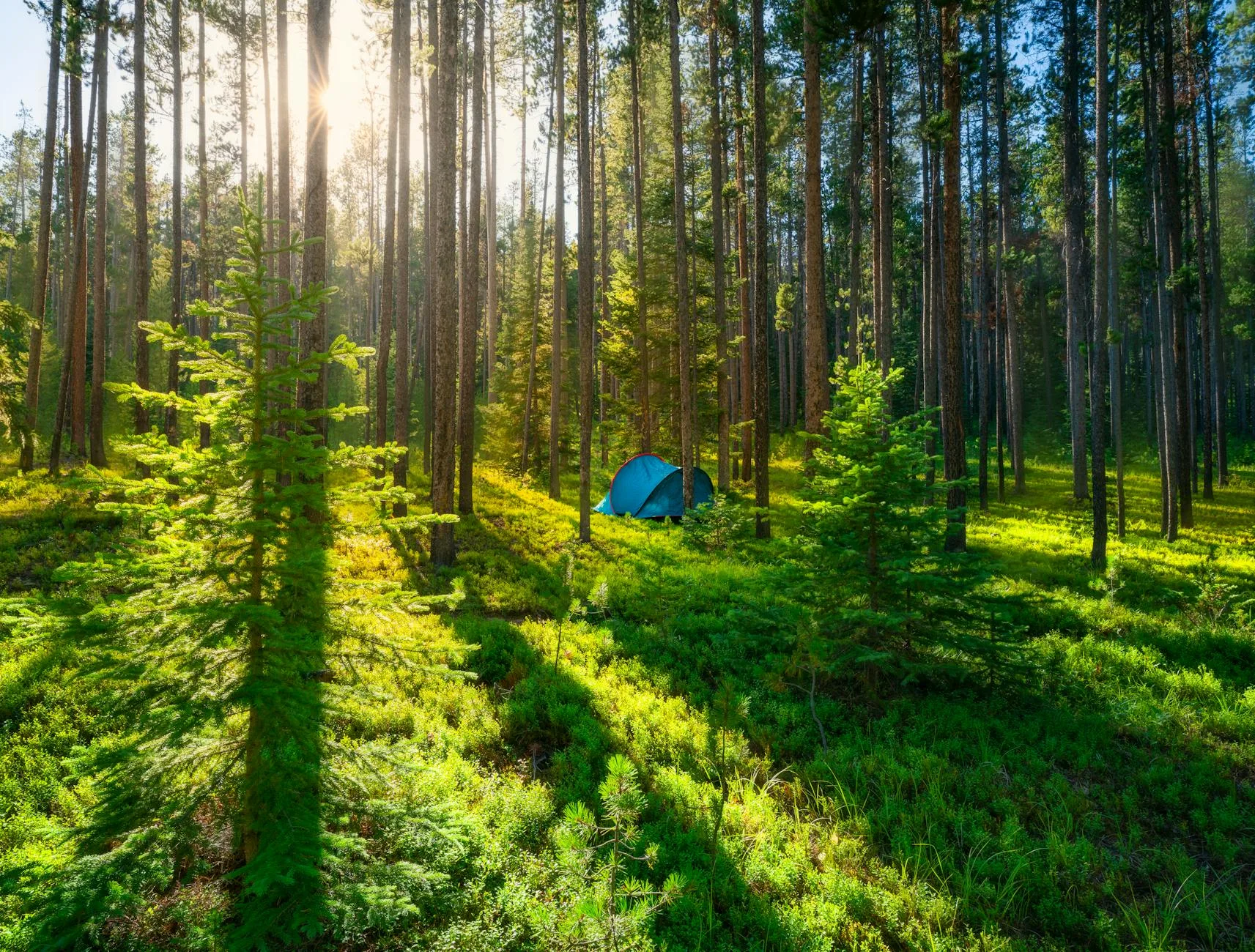
Montana’s outdoor industry just clocked in at nearly 5% of the state’s entire GDP — $3.8 billion in economic output and more than 32,000 jobs. We’re now the third-ranked state in the nation for outdoor recreation as a share of our economy, trailing only Hawaii and Alaska. Those aren’t abstract numbers. They’re a mirror reflecting what’s happening on your favorite trailhead, boat ramp, and hunting unit right now.
The latest federal data shows Montana added nearly 10,000 outdoor recreation jobs since 2020 alone. RV-related spending leads the pack at $238 million, followed by guiding and outfitting at $162.5 million — up 12% in a single year. Fishing and boating kicked in $149 million, while hunting, trapping, and shooting added $118 million, growing 14% year-over-year.
If you’ve felt the squeeze at your go-to fishing access site on the Big Hole or noticed more out-of-state plates parked at the trailhead into your deer unit, this is why. Growth like this doesn’t happen in a vacuum.
What This Means on the Ground
Let’s be honest: a strong outdoor economy is a good problem to have. Those 32,000 jobs include fly shop owners in Livingston, welders in Missoula building drift boats, guides running the Smith River, and lift operators at Whitefish Mountain. That’s real money staying in rural Montana communities that genuinely need it. Nobody’s arguing against that.
But more money means more people, and more people means more pressure on finite resources. Block Management Areas that used to see a handful of rigs on opening weekend now fill up before first light. Blue-ribbon stretches of the Madison and Missouri face crowding that would’ve seemed absurd fifteen years ago. Elk units with general tags are seeing harvest rates climb as more nonresidents figure out what we’ve always known about this state.
The 12% spike in outfitting revenue tells part of the story. Wealthy clients pay top dollar for access, which drives up lease prices and gives landowners every reason to padlock gates that used to swing open for whoever asked politely. Honestly, I don’t blame the landowners — it’s economics, plain and simple. But it changes everything for the working hunter who’s always depended on public land and a handshake.
The Practical Implications for Your Season
Plan earlier and scout harder. Guiding operations are up 12%, which means you’re competing with professionally run camps that have already e-scouted, pre-hunted, and locked down every advantage they can find. The days of winging it on a general tag in a high-demand unit are fading fast. Get your boots on the ground in August, not October.
Diversify your spots and protect your backups. One honey hole is a liability now. Build out your options — secondary drainages in the Beartooths, stretches of the Clark Fork that don’t show up on the first page of Google, a Plan C that nobody in your hunting party has talked about out loud. Pressure redistributes every season as word spreads and another blog drops GPS coordinates like they’re doing everyone a favor.
Invest in relationships more than gear. With land prices and private lease costs climbing across the Hi-Line and the valleys both, access depends more than ever on knowing your neighbors, asking permission in March instead of September, and showing up to help during haying season without being asked. A two-minute conversation in spring is worth more than the best knock you’ll ever deliver on a cold October morning.
Support the infrastructure that keeps this working. That means funding for FWP habitat projects, backing groups that fight for fishing access easements on rivers like the Yellowstone and Beaverhead, and actually showing up when comment periods open on forest management plans. Revenue without stewardship isn’t a success story — it’s just extraction with better marketing.
The Bigger Picture
Montana’s outdoor economy isn’t cooling off. Nationally, the sector hit a record $1.3 trillion in total economic impact in 2024, even as growth rates settled back from the post-COVID frenzy. We’re past the pandemic spike, but we’re not going back to 2015 either. In my experience, anyone who thinks the pressure on public land is going to ease up on its own is fooling themselves.
The real question isn’t whether Montana’s outdoor industry keeps growing. It’s whether that growth happens in a way that preserves what makes this place worth a damn in the first place — wild fish in clean rivers, huntable elk populations in the Gravellys and the Bob, and the kind of solitude that you genuinely cannot purchase at any price point.
Those $3.8 billion aren’t guaranteed. They depend on managing pressure intelligently, maintaining the resource, and making sure Montana’s outdoor economy doesn’t eventually consume the very thing it’s built on. The numbers prove we’re doing something right. Keeping it that way — that’s the harder part, and it starts with every one of us who actually uses this land.
Note: this is not a strict summary of the federal report and perspective-based
Source inspiration: Daily Montanan
Montana's outdoor week, in your inbox at 7am Friday.