
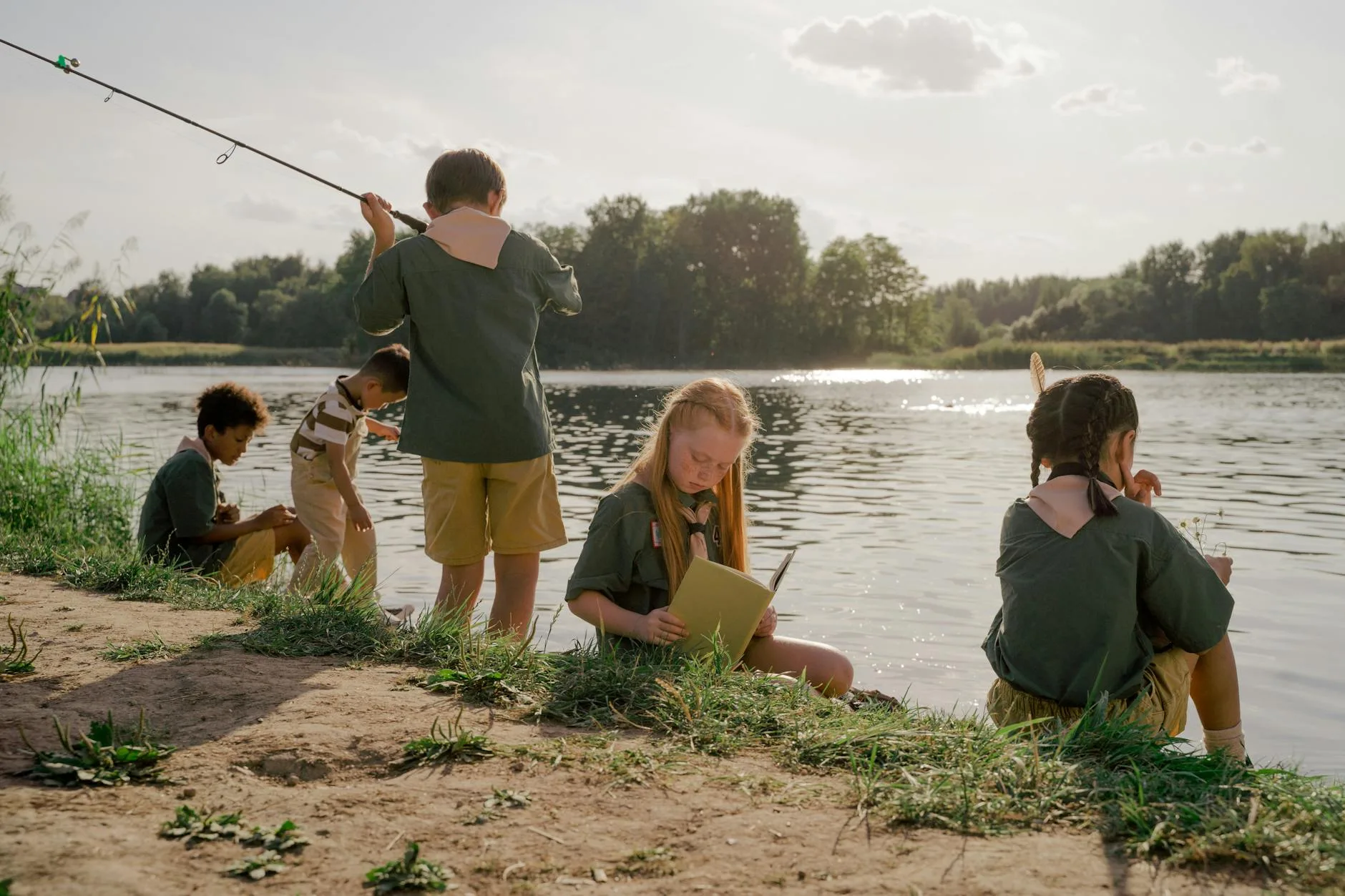
Scout Troop 214 spent January hauling Christmas trees off Helena curbs while most of the city was still picking tinsel off the carpet. By the time they were done, roughly 1,600 trees had been collected, prepped, and staged near the silos at Canyon Ferry Reservoir — all of them destined for the bottom of one of Montana’s most productive perch fisheries. The trees haven’t hit the water yet. Deployment is planned for April, and if you’re putting together a spring perch trip to Canyon Ferry, you need to understand what these kids are setting up for you.
What “Pines for Perch” Actually Means for the Fishery
Montana FWP’s Pines for Perch program has been running for years, and most anglers have no idea it exists. That’s a shame, because it directly influences where yellow perch congregate, spawn, and survive through their first critical weeks of life. The concept isn’t complicated: yellow perch need structure. They spawn shallow and use woody debris, aquatic vegetation, and hard substrate to deposit their egg masses. Canyon Ferry is a big, open reservoir with limited natural structure across a lot of its basin. Sink a cable-strung line of Christmas trees weighted with cinder blocks into the right depth, and you’ve just built a perch nursery where there wasn’t one before.
FWP senior fisheries technician Troy Humphrey oversees the operation, and he’ll tell you the scouts have genuinely transformed the program’s capacity. What used to eat up the better part of a full FWP work week now wraps up in roughly half a day with the troop’s help. That’s not just a scheduling convenience — it means more trees processed, more habitat installed, and more juvenile perch making it through their first season.
Those cable-connected tree bundles are scheduled to go into Canyon Ferry at targeted depths come April. The timing is intentional. Ice-out on Canyon Ferry typically runs from late March into April depending on the winter, and perch start staging for the spawn almost immediately once water temps climb out of the low 30s. Getting trees in the water before peak spawn activity is the whole point. (Confirm deployment specifics directly with FWP or Troy Humphrey, as operational details can vary year to year.)
Where This Puts Perch Anglers Right Now
We’re in the window. Canyon Ferry usually comes off ice in late March, and that transition — the two or three weeks right after ice-out — is arguably the best perch fishing of the entire year. Post ice-out perch are aggressive, often shallow, and moving toward exactly the kind of structural features this program is designed to create. Honestly, if you’re not on Canyon Ferry in the first few weeks after ice-out, you’re leaving the top bite of the season on the table.
Here’s where to focus your time and energy. The flats near the dam and the upper reservoir arms have historically held tree structures from previous years’ drops, and perch stack on that old wood before the new trees ever hit the water. Fish 8 to 18 feet during early ice-out — perch move shallower than most anglers expect right after ice-off, especially on warm, sunny afternoons when surface temps tick up even a degree or two. Small jigs tipped with wax worms or maggots are still the go-to rig out there. Drop-shot setups with 1/16 oz heads in chartreuse, white, or pink consistently produce. Don’t overthink it. Canyon Ferry perch aren’t shy in spring.
- Check current FWP regulations before you go. Canyon Ferry perch have no size limit and a generous bag limit, but confirm the current rules on the Canyon Ferry fishing regulations page before your trip — regulations can and do change season to season.
The Tree Shortage Problem Anglers Should Care About
Here’s the part of this story that isn’t getting enough attention. Pines for Perch used to pull in 3,000 to 4,000 Christmas trees per year. This past season, Troop 214 collected around 1,600 — less than half the historical average. The culprit is artificial trees. It’s a cultural shift, and it has real ecological consequences for Canyon Ferry’s perch population.
Humphrey put it plainly: “We live in Montana. Take some time and just go out and cut your own tree and get the required permits, of course, and we need your trees.” That’s not a throwaway line. In my experience, Montanans don’t always connect the small domestic choices — where you buy a tree, what you do with it in January — to the fisheries they love. But in a state with millions of acres of national forest and a permit system that makes legal tree cutting genuinely accessible and affordable, there’s no good reason Montana families should be buying plastic trees shipped from overseas when a real one pulled from the Elkhorns or the Highwoods can end up improving a reservoir their kids will fish for decades.
If you know people who buy real trees, tell them about this program. FWP collects trees through participating curbside programs in the Helena area each January. A tree that would otherwise end up in a landfill becomes fish habitat within a matter of months. That’s as clean a conservation loop as you’ll find anywhere in the state.
The Bigger Picture: Community Conservation That Works
Scoutmaster Doug Wheeler framed his troop’s involvement around community service, and that framing is exactly right. But for the angling community, it’s worth naming what the scouts are actually building beyond character: they are building a fishery. Canyon Ferry’s yellow perch population has supported generations of Helena
Montana's outdoor week, in your inbox at 7am Friday.