
A Michigan man got jail time for ice fishing without a license. The Michigan DNR called it an “egregious case” — a repeat violator with a long history of ignoring the state’s hunting and fishing laws. Jail sentences are not super common, but they happen when someone pushes the system far enough.
Here in Montana, with ice-out conditions arriving on everything this week, and anglers already stacking up at boat ramps from Fort Peck to Ennis, this story lands at exactly the right moment. March 24 puts you squarely at the front edge of one of the best — and most heavily enforced — fishing periods of the year. Montana Fish, Wildlife & Parks wardens know this. They’re out there. And the consequences for fishing without a license in this state are more serious than most anglers realize.
What Montana Law Actually Says
In Montana, fishing without a license is a misdemeanor under MCA 87-2-109. A first offense carries a fine of up to $1,000, up to 6 months in county jail, or both. The same ceiling that shocked many people about the Michigan case is built right into Montana statute. That Michigan situation was the result of repeat violations — and Montana law similarly escalates consequences for habitual offenders. Courts can and do impose license suspension periods on top of fines, meaning you don’t just pay a fine and walk away. You could lose your ability to legally fish or hunt in Montana for years or even indefinitely.
And it’s not just the license itself. If FWP wardens catch you fishing illegally, they’re also looking at whether you’re in possession of fish taken unlawfully — which triggers separate charges under Montana’s criminal fish and wildlife code. Catch a couple of walleye out of Fort Peck or pull a limit of perch from Fresno Reservoir near Havre without a license, and now you’re looking at potential unlawful possession charges stacked on top of the original violation.
Enforcement Is Elevated Right Now
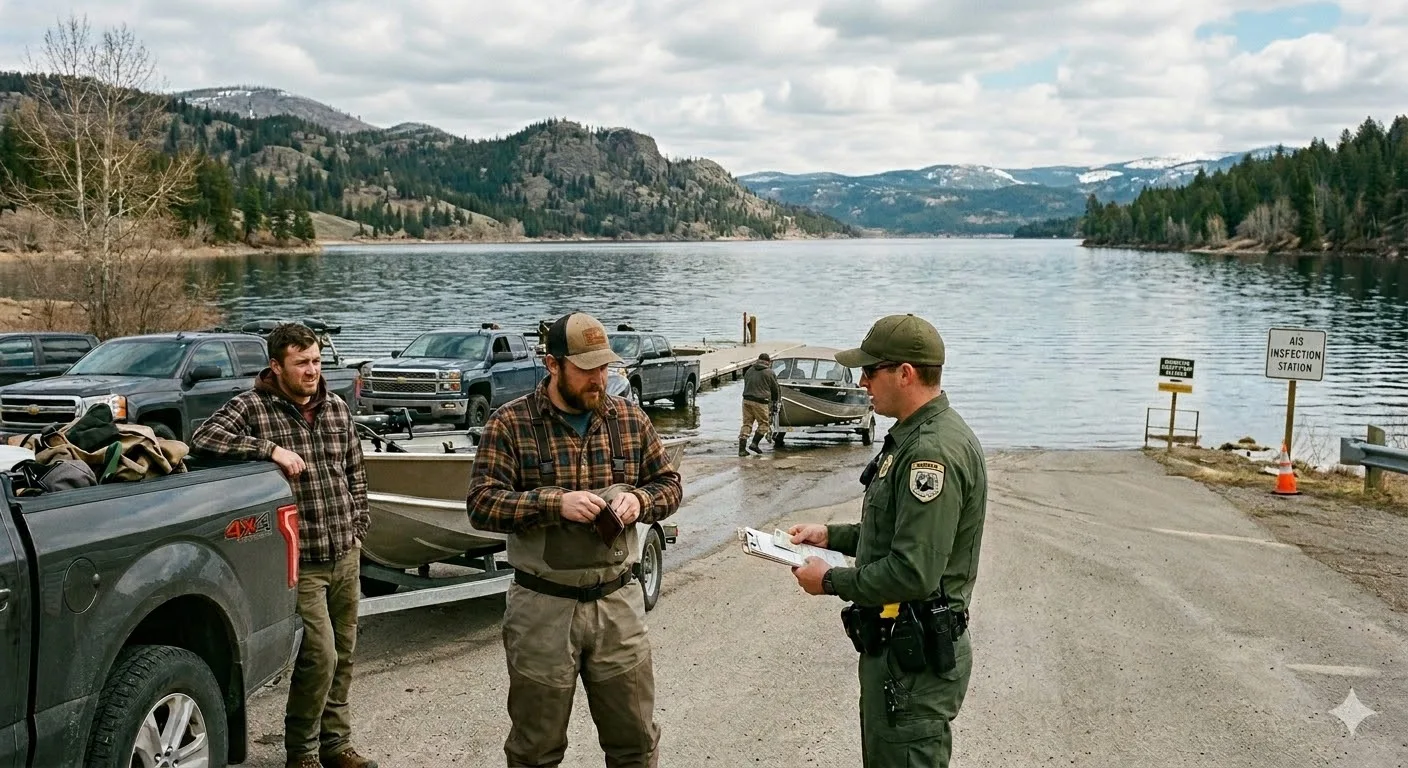
Spring is prime warden season in Montana. As ice breaks up on reservoirs and lakes across the Hi-Line and the Missouri River drainage starts dropping into fishable shape, FWP game wardens concentrate heavily at public access points, boat ramps, and popular wade-fishing stretches. Some anglers have watched wardens work the boat ramp at Canyon Ferry on a busy April morning and check every single rig coming off the water. So, you just never know.
Wardens don’t need a reason to check your license beyond the fact that you’re fishing. It’s a routine, legal stop, and they conduct them constantly during high-traffic periods. The combination of spring cabin fever, busy launch ramps, and a new run of anglers who haven’t bought a license yet makes late March one of the most active enforcement windows of the year. You definitely don’t want to be the person who planned to “grab a license later.” They want you to follow the law just as much as you should follow the law. Also, don’t skip those AIS check stations, either!
Exactly Which License You Need Right Now
Navigating Montana’s fishing regulations can feel a bit like trying to untangle a bird’s nest in your fly line—it’s doable, but one wrong move and you’re stuck. For the Spring 2026 season, the “Big Three” license requirements are non-negotiable for anyone 12 or older. You can’t just grab a fishing license and hit the water; you first need the Conservation License ($8 for residents, $10 for visitors) and the AIS Prevention Pass ($2 for residents, $7.50 for visitors). Only after you’ve secured those can you buy your base fishing license. If you’re a nonresident, a full season will run you $100, though if you’re just in for a quick weekend on the Madison, a 1-day pass is $14 or a 5-day stretch is $56. If you’re under 12, congrats—you’re the only ones getting a free pass from the taxman.
Beyond the basics, pay attention to the following. First, if you’re thinking of snagging a prehistoric giant (Paddlefish) near Glendive or Williston this May, a standard license won’t cut it—you need a separate, specific permit that’s typically handled via a drawing. Second, if you’re fishing Flathead Lake or any waters within the Flathead Indian Reservation, your state license is essentially a fancy bookmark. You must have a separate tribal license from the Confederated Salish and Kootenai Tribes. Forget that detail, and your scenic day on the water could get very expensive, very fast.
Skipping It Isn’t Just a Legal Risk
That Michigan case is a reminder that fishing without a license is never a victimless shortcut. Wildlife funding in Montana runs through license sales — money from that fishing license goes toward stocking, habitat work, access maintenance, and the warden presence that keeps public waters fishable and honest. When someone skips it, they’re not just risking a fine. They’re freeloading on a system that every other angler in the state is paying into.
The Clark Fork is coming into shape. Brown trout are moving on the Big Hole and the Jefferson. Walleye are staging out on Fort Peck. The Smith River canyon is about as good as it gets this time of year. There is no good reason to be standing on a riverbank in 2026 without a license in your pocket — you can buy one in five minutes at fwp.mt.gov or at any FWP regional office. Do it before you load the truck.
Montana's outdoor week, in your inbox at 7am Friday.