
While weekend anglers crowd the boat ramps at Canyon Ferry and Holter, a small waterfront community four hours northeast sits quietly along one of the most productive fisheries in Montana. Fort Peck—home to a Depression-era engineering marvel and 134 miles of shoreline along Fort Peck Lake—offers something increasingly rare in Montana’s fishing scene: elbow room, trophy fish, and affordable access.
Most guys I know won’t make the drive. That’s exactly why you should. Fort Peck Lake spans 245,000 surface acres at full pool, making it the fifth-largest man-made reservoir in the country. But acreage doesn’t mean much if you’re stacked elbow-to-elbow on a busy Saturday. What matters at Fort Peck is the fish-per-angler ratio — and right now, that ratio tilts hard in your favor the moment you pull off Highway 2 and point the truck toward the water.
What’s Actually Biting at Fort Peck
Fort Peck’s walleye population has rebounded dramatically over the past five seasons, thanks to strong year classes and Montana Fish, Wildlife & Parks’ stocking efforts. Spring walleye fishing — particularly from late April through June — produces consistent limits for anglers working the dam face, the Pines Recreation Area, and the flats near Hell Creek. Show up with a jig and a minnow and you’ll eat well.
Honestly, the smallmouth bass fishing here might be the best-kept secret on the eastern prairie. It flies completely under the radar, which is baffling given the quality. Rocky points and submerged structure throughout the reservoir hold aggressive fish in the 14- to 18-inch range, with three-pounders common enough that you’ll quit reaching for your phone after the first hour. Work tube baits and ned rigs along the riprap near the dam or the rocky shorelines in the Hell Creek and Duck Creek arms. Don’t overthink it.
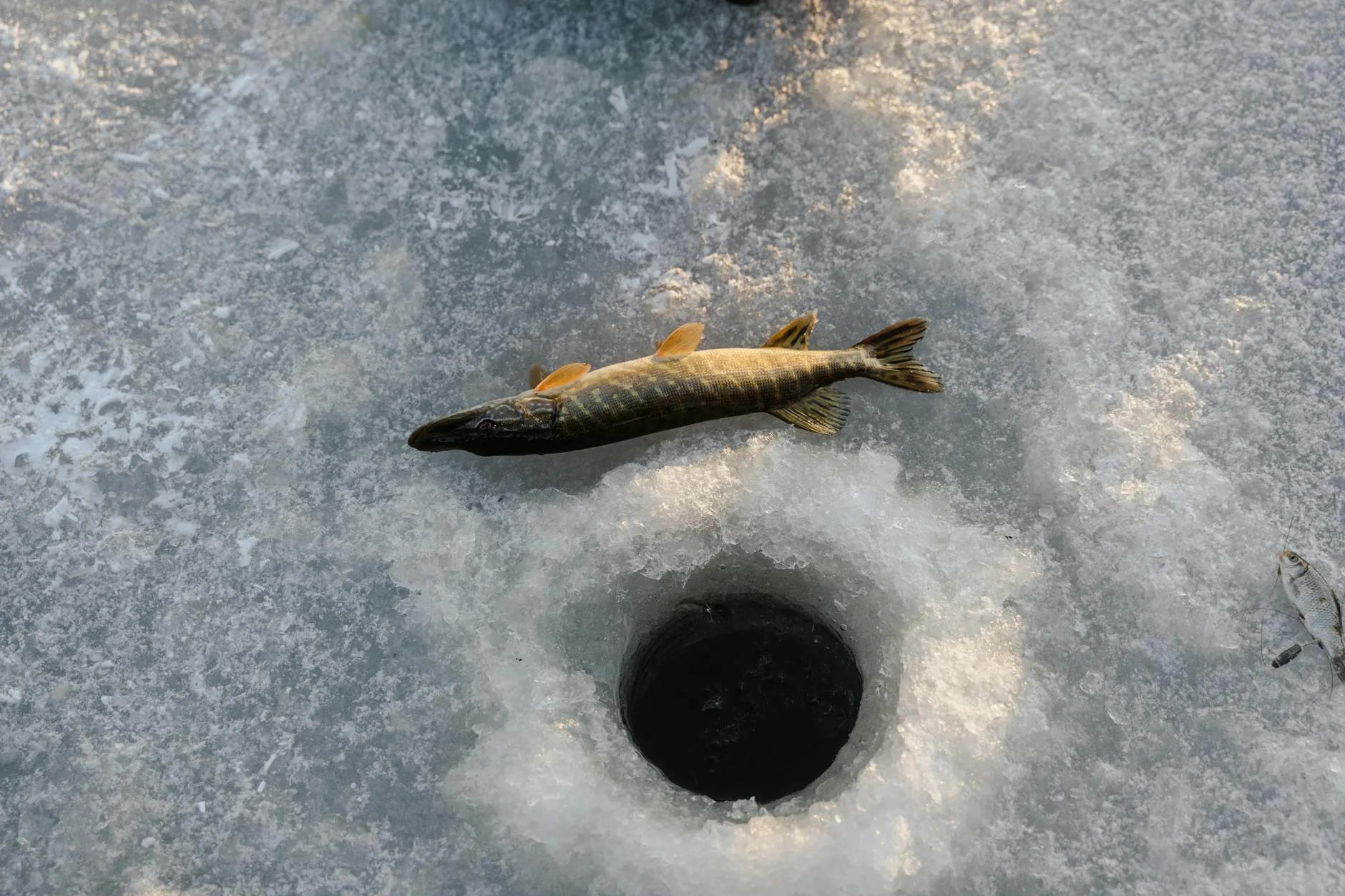
Northern pike are the lake’s bruisers. Fort Peck consistently kicks out northerns over 40 inches, and the shallow bays warm early in spring, concentrating fish in ambush positions that feel almost unfair. When water temps hit the mid-50s in the Duck Creek and Crooked Creek areas, throw big inline spinners, spoons, or swimbaits and hang on. These aren’t the stunted hammer-handles you’re used to pulling out of prairie sloughs. These are legitimate fish.
Why Fort Peck Works for Montana Anglers
Fort Peck town is essentially a company town, built to house workers during dam construction in the 1930s. That history left behind an unusual infrastructure for a community of fewer than 250 people: a historic theater, a museum, multiple boat ramps, and lodging options that won’t drain your wallet the way anything within two hours of Yellowstone will.
The access situation would make a western Montana angler cry. The Charles M. Russell National Wildlife Refuge wraps around much of the lake, providing free shoreline access, primitive camping, and launch sites scattered across hundreds of miles of undeveloped country. You can camp, launch, fish, and hunt all within sight of your truck. No reservation system. No permit lottery. No fistfights over parking spots. In my experience, that kind of freedom has gotten harder to find every single year in this state, which makes Fort Peck feel like a throwback to when public land actually meant something.
Practical Info Before You Go
Fort Peck isn’t built for anglers who need a fully stocked fly shop and a craft brewery within walking distance. The town has essentials — gas, basic groceries, lodging, and a marina — but this is a bring-what-you-need kind of place. Cell service goes spotty to nonexistent once you leave town, so download your maps before you go and have a backup plan when your electronics decide to quit on you out in the middle of nowhere.
Eastern Montana prairie weather is not your friend if you’re not paying attention. Spring wind can turn Fort Peck into a three-foot chop faster than you can pull your lines, and there’s virtually no tree cover for protection once you’re out on that water. Check wind forecasts obsessively. Launch early. And don’t be a hero when whitecaps start forming — the lake is massive enough that conditions can get genuinely dangerous, fast.
Timing matters too. Late April through June is peak for walleye and pike. July and August can still be productive, though it gets hot, and smallmouth action picks up as walleyes scatter to deeper structure. Come back in September or October and the walleyes move back into predictable patterns, staging near points and humps as they get ready for winter. Three distinct fisheries, essentially, depending on when you show up.
The Bigger Picture
The four-hour drive from Great Falls — or the six-hour haul from Billings — does most of the work for you. It filters out the casual crowd before you even arrive. What’s waiting on the other end is a working reservoir town, fish that haven’t been pounded all season, and enough open water to disappear for days without seeing another boat. If you ask me, that’s not just worth the drive — in a state where fishing pressure keeps climbing and every good spot eventually ends up on someone’s Instagram, it’s the whole point.
Source inspiration: https://www.onlyinyourstate.com/trip-ideas/montana/hidden-waterfront-town-mt
Montana's outdoor week, in your inbox at 7am Friday.