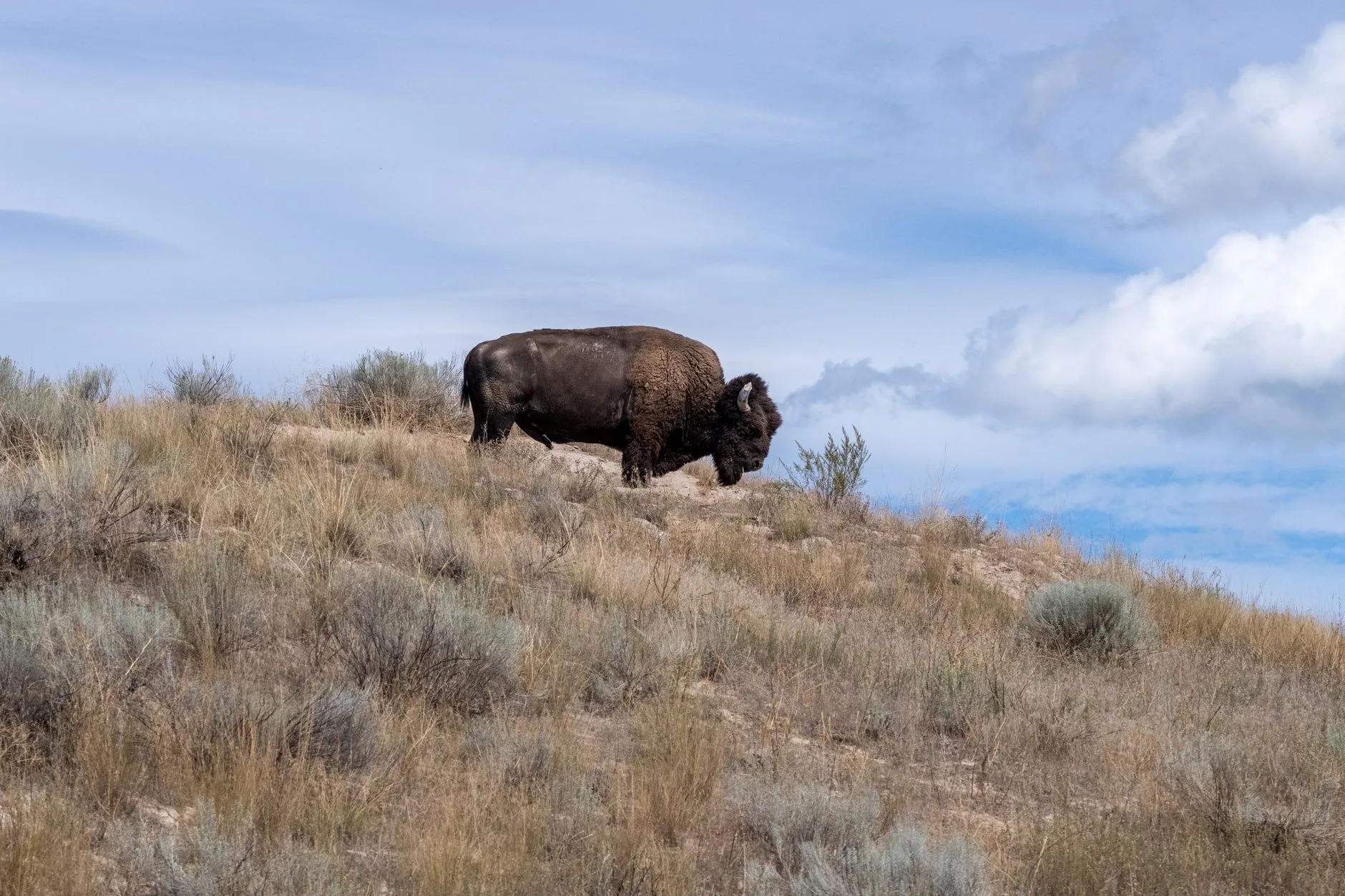
If you’ve spent any time watching bison on public land in Montana — glassing the Yellowstone boundary near Gardiner, driving past the National Bison Range outside Moiese, or catching a herd crossing BLM ground in the Upper Missouri River Breaks — you already know these animals don’t follow instructions. That’s kind of the point. But it’s also, increasingly, the problem. The channel Rewilded recently dug into a situation that’s been quietly building in bison management circles: a federally restored bison herd that officials determined had become, in effect, too wild to remain on the land it was restored to. It’s worth your full attention.
Montana’s Bison Situation Has Never Been Simple
To understand why a story like this lands hard for Montanans, you need some background. The Interagency Bison Management Plan — the joint framework between Montana Fish, Wildlife and Parks, the National Park Service, the U.S. Forest Service, and APHIS — has been one of the most contentious wildlife agreements in the West since it was formalized in 2000. Every winter, the argument resets itself. Yellowstone bison follow ancient migration instincts and push north through the Gardiner Basin toward lower-elevation forage along the Yellowstone River corridor. When they cross the park boundary onto Forest Service and private ground, the fight starts over: ranchers raise brucellosis concerns, hunters push for expanded fair-chase opportunities, and tribal nations — particularly the Nez Perce, Confederated Salish and Kootenai Tribes, and others — assert treaty-protected hunting rights that predate every agency at the table.
Montana’s bison hunting season, which has expanded modestly in recent years in the hunt units surrounding Yellowstone’s northern boundary, is a direct product of that friction. It’s not a clean system. Hunters who draw tags in Hunt District 511 or the adjacent Eagle Creek unit know they’re operating inside a management structure that’s being renegotiated in real time. Seasons open and close based on how many animals cross the boundary and where. It takes attention and flexibility to hunt bison in Montana, and that’s not going to change anytime soon.
The Bigger Question: What Does “Wild” Actually Mean Here?
What makes the situation Rewilded covers worth examining beyond the headline is the underlying precedent. When a federal agency essentially argues that a wildlife restoration effort worked too well — that the animals are ranging too widely, behaving too much like wild bison, and therefore need to be managed back toward something more controllable — it raises a question that goes well beyond any single herd. It cuts to the center of what public land wildlife management is actually for.
Montana has more skin in that conversation than almost any other state. We’ve got bison, grizzlies, wolves, and elk all navigating a daily overlap of private grazing allotments, tribal comanagement agreements, hunting districts, and wilderness boundaries. The Missouri Breaks, the Rocky Mountain Front, the Blackfoot Valley — these aren’t abstract policy zones. They’re places where real animals move and real people hunt, ranch, and make their living. When “too wild” becomes a regulatory justification for rolling back a restoration success, it sets a template that should make every hunter, angler, and public lands user in this state uncomfortable.
What You Can Do With This Information
If you’re a Montana hunter or public lands user, here’s where this gets practical:
- Follow bison hunting regs closely year to year. Montana FWP adjusts bison hunting seasons and unit boundaries based on population counts and interagency negotiations. Check the FWP Bison Hunting page each fall — seasons can shift significantly between years, and leftover tag availability sometimes opens opportunities that go unclaimed.
- Know the public land boundaries near the Yellowstone zone. The Gardiner Basin and Beattie Gulch area sit at the overlap of Yellowstone National Park, Gallatin National Forest, and private ground. OnX or a current Motor Vehicle Use Map will keep you legal and help you understand where bison legally can — and can’t — be hunted.
- Engage with the public comment process. FWP and federal agencies take public input on bison management plans. When the Interagency Bison Management Plan undergoes review, those comment periods are real opportunities to put hunters’ voices on record alongside ranching and environmental interests.
- Support tribal bison management partnerships where you can. Several Montana tribes are leading some of the most serious bison restoration work in the region. The American Prairie Reserve’s work near the Breaks and the CSKT’s bison program at the National Bison Range represent models that directly affect how bison range and behave on public land statewide.
The conversation about bison in Montana isn’t going away — it’s getting more complicated. Videos like the one above help explain the mechanics of how we got here. The rest is up to hunters, landowners, and public lands advocates to work out in the places where these decisions actually get made.
Montana's outdoor week, in your inbox at 7am Friday.