
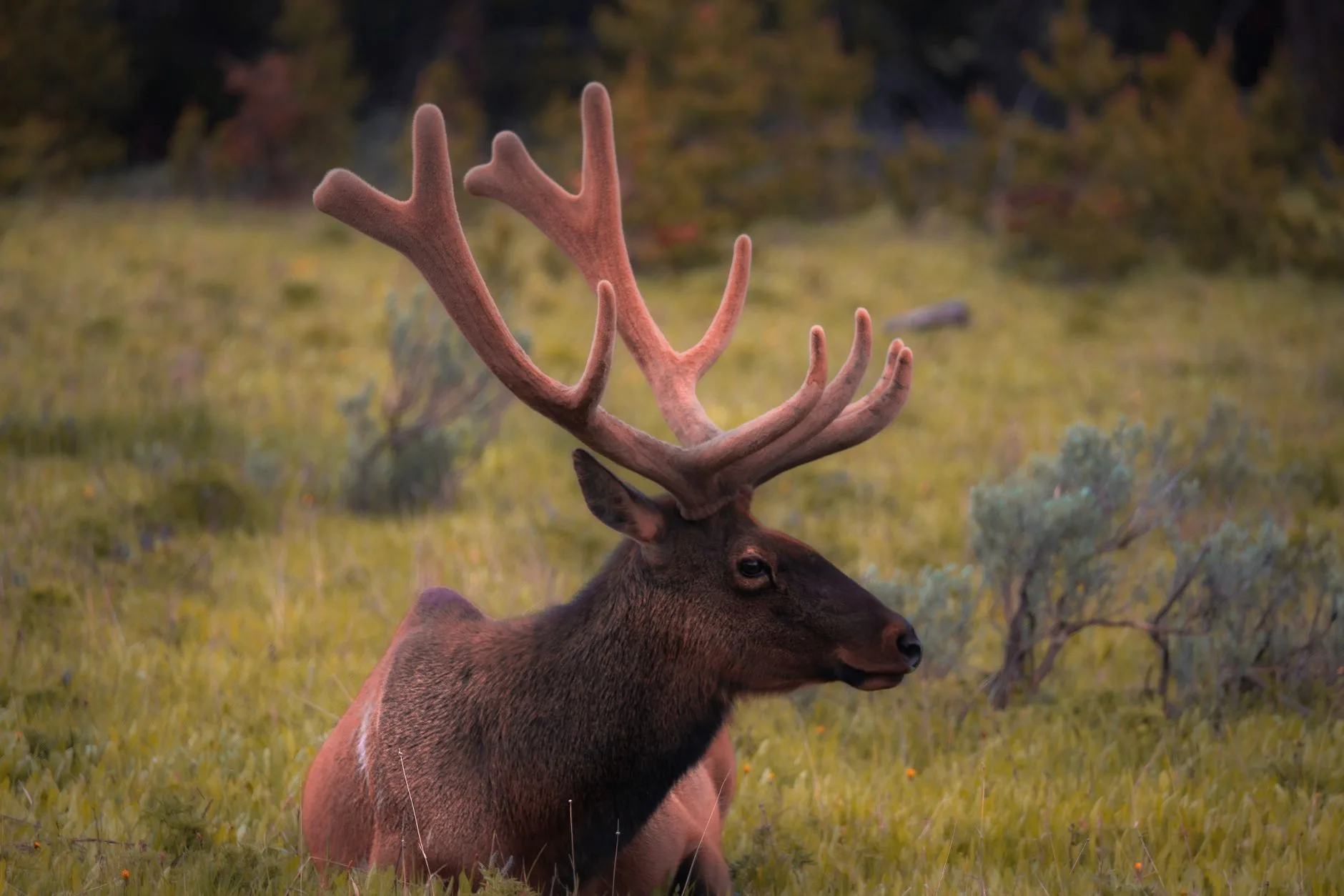
Glass These Montana Ridges Now to Find Velvet Bulls Before September
You’ve got one weekend left. Archery elk season opens September 5,and right now — today, this weekend — velvet bulls are still living like it’s summer. They’re predictable, they’re patterned, and if you put in the time behind your binoculars over the next few days, you can walk into opening morning knowing exactly where a shooter bull beds and feeds. Miss this window, and you’re hunting blind while the elk reorganize around the pressure of early season.
Late August is the single best scouting window of the entire archery season. Use it.
Why Velvet Bulls Are Different — and Easier to Pattern
Through August, bull elk are focused on two things: calories and comfort. Antler development is wrapping up, bulls are putting on weight before the rut burns it all off, and they’re not nocturnal yet. They’re not screaming at each other or chasing cows. They’re creatures of habit, and that habit is one of the best gifts a bowhunter gets all year.
A bull that walks out of a north-facing timber pocket at 6:45 one evening will likely do the same thing three days later. That kind of repetition doesn’t survive September. Once velvet sheds — typically in the first week or two of September across much of Montana — bulls lose their summer docility fast. Bachelor groups break apart. The earliest rutting instincts kick in. The elk you watched all August may not be in the same county by mid-September.
That’s why the next 48 to 72 hours of glassing are worth more than two weeks of September scouting.
Where to Glass in Montana Right Now
High Basins and Alpine Edges
In late August, big bulls are pushed high. Think sub-alpine parks, open avalanche chutes, and the grassy benches just below treeline. In the Bob Marshall Wilderness, along the Beartooth Front, out in the Gravelly Range west of Ennis, and up in the Cabinets in Lincoln County, bulls use these high-elevation feeding areas in the early morning and evening, retreating into cool, shaded timber during the heat of midday.
Set up your spotting scope on an opposing ridge at first light and work the open parks systematically. Don’t rush to glass the obvious meadows first — scan the timber edges and the shadows along avalanche paths. Honestly, some of the biggest bulls I’ve ever located in August never fully stepped into the open. They linger in the tree line long after smaller animals have already fed out into the grass.
North-Facing Drainages with Water
Heat drives late August elk behavior more than anything else. Bulls gravitate toward north-facing slopes with dense timber and reliable water. Small seeps, spring-fed creeks, and the upper tributaries feeding into rivers like the Gallatin, the Bitterroot, the Blackfoot, and the South Fork of the Flathead all hold elk right now. If you find a muddy wallow — an actual churned-up, stinking depression — you’re in the right neighborhood. Check it every glassing session.
Transition Zones at Mid-Elevation
Not every bull is at treeline. In heavily timbered country — the kind you find throughout the Rocky Mountain Front and the Lolo National Forest — look for the transition zones between mature timber and younger regenerating clearcuts or burns. The early 2000s burns across western Montana have matured into exceptional elk habitat, with thick bedding cover sitting just a few hundred yards from open, nutritious feeding areas. Bulls using this terrain are harder to glass but easier to pattern once you find them. Their world is small and consistent right up until it isn’t.
Turning Scouting Into an Opening-Week Plan
Finding a bull is only half the job. The other half is building an approach.
Log every sighting with time and location. Note entry and exit routes. Mark bedding areas and water sources separately — they’re all part of the same daily circuit, and understanding how a bull connects them is how you build an ambush. After two or three observation sessions, you should be able to identify a natural funnel — a saddle, a creek crossing, a bench — where you can intercept him without blowing him out of his core area.
Keep your scouting intrusions minimal this week. Glass from distance. If you bump a bull now, you may push him out of his pattern days before you ever draw your bow. Stay on the opposite ridge, use your optics aggressively, and resist the urge to hike into the drainage just to confirm what you’ve already seen from a mile away. That extra mile of boot leather isn’t worth it right now.
Plan your opening-morning approach around thermals, not just distance. In Montana’s mountain terrain, thermals rise as the sun heats the slopes and fall in the evening and early morning. A bull bedded on a north-facing bench above a creek drainage will have thermals working uphill toward him by mid-morning. You need to be in position well before legal shooting light, approaching from above or from the side. Coming in from below is how you turn a good setup into an empty ridge.
Glass at first light and again in the last two hours before dark — those are the windows when bulls are most visible and most predictable. Note which direction they travel when they leave a feeding area, because that’s your approach corridor. Keep vehicle access and foot traffic to a minimum in your immediate hunt area this week, and confirm your unit regulations and any wilderness restrictions directly with Montana FWP before your opener. Access rules and season structures vary more than people expect.
- Mark wallows, water sources, and feeding areas separately from bedding areas — they’re all part of the same daily circuit
- Note which direction bulls travel when they leave a feeding area — that’s your approach corridor on opening morning
The Clock Is Running
The velvet scouting window is short. Once September arrives, bull behavior starts shifting within days. The bulls you locate this weekend in predictable late-summer patterns are the same bulls that can be nearly impossible to pin down by the second or third week of archery season as the prerut builds and elk start covering country. Get out this weekend. Put in the glass time now, while it still pays off.
Check season dates at fwp.mt.gov.
Editor’s note: Corrected the article's structured-data description to reflect the September 5 archery elk opener, matching the body text.
Montana's outdoor week, in your inbox at 7am Friday.