
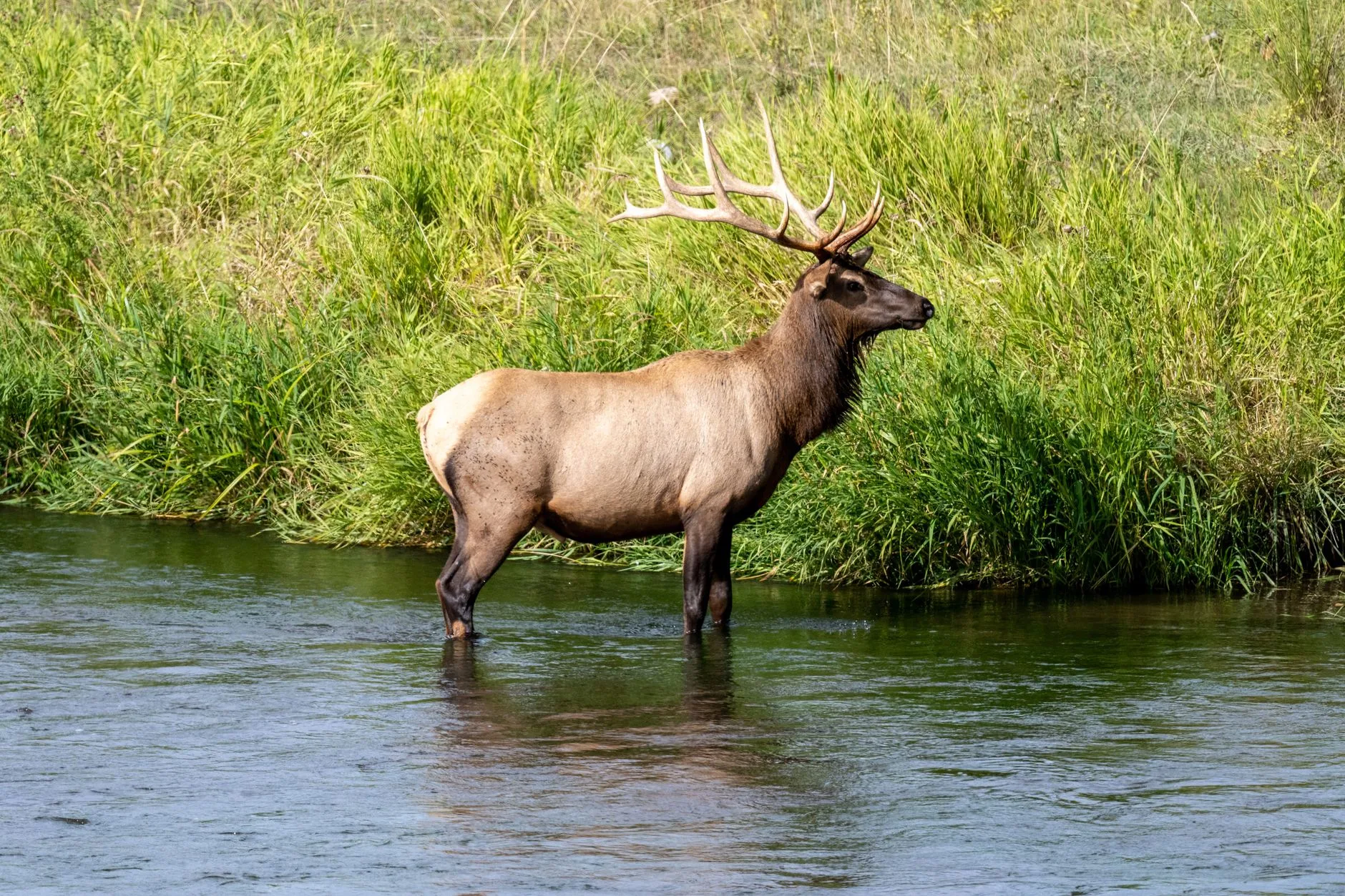
Six months. That’s how long Montana game wardens worked a single elk poaching case before they strapped a receiver antenna to a Super Cub and started flying grid patterns trying to crack it. The new WILDLANDS video below takes you inside that investigation — and if you’ve ever spent a hard-earned week chasing bulls on public land in this state, it’s going to make your blood pressure tick up a few notches.
Montana FWP wardens don’t have unlimited resources — anyone who’s watched a warden district that covers a few thousand square miles of mountains and river bottom knows these guys are stretched thin. A single warden might be responsible for terrain that runs from the Yellowstone breaks down through BLM river bottoms and into national forest drainages, all at once, all season long. That’s what makes a six-month dedicated investigation like this one notable. The fact that they eventually went airborne with a Super Cub and radio-telemetry equipment to close the net tells you how seriously this case was taken.
Elk poaching isn’t a victimless crime out here, and it’s worth spelling that out plainly. Every bull killed out of season — or over-limit, or on closed ground — is one less animal for the hundreds of hunters who drew a legitimate tag through the FWP draw, sometimes after waiting years for a limited-entry unit to come up in the points pool. If you’ve burned preference points chasing a Missouri River Breaks tag, or finally drew a Gravelly Range bull permit after a decade of waiting, you have a direct and personal stake in whether wardens have the tools and the will to follow a case for half a year. Cases like this confirm that they do.
What Poaching Actually Costs in Montana
Under Montana law, illegally killing an elk is a misdemeanor or felony depending on circumstances — and the consequences stack up fast. A first-offense poaching conviction can mean fines up to $10,000, loss of hunting and fishing privileges for up to five years, and forfeiture of equipment including vehicles and firearms used in the crime. If the kill involved a computer-assisted hunting device, a spotting arrangement, or crossing tribal or federal land boundaries, federal charges under the Lacey Act can layer on top of state penalties. Repeat offenders can face felony charges that follow them permanently. Montana also participates in the Interstate Wildlife Violator Compact, which means a license revocation here is honored in 48 other states. You don’t just lose Montana — you lose nearly everywhere.
Montana’s elk regulations are already complicated enough for hunters playing by the rules — general season, B licenses, special permits, tribal boundaries, Block Management boundaries, and unit-specific antler restrictions all layered on top of each other. Legitimate hunters navigate all of it, sometimes obsessively. Poachers skip all of it. That’s exactly why the slow, unglamorous grind of an investigation like this one — surveillance, evidence collection, six months of patience — matters as much as any high-profile bust.
What You Can Do If Something Looks Wrong Out There
Wardens close cases like this one partly because hunters and anglers in the field are paying attention. If you’re glassing a drainage on the Beaverhead, packing out of the Bob Marshall, or driving a two-track through a BLM unit on the Hi-Line and something doesn’t look right — a gut pile in a closed area, a truck parked at the wrong trailhead at the wrong hour, a shot fired well before legal shooting time — that information matters.
Montana FWP’s TIP line is 1-800-TIP-MONT (1-800-847-6668). It’s confidential, it’s staffed, and tips that lead to convictions can qualify for cash rewards through the Montana Outdoor Heritage Foundation. You can also report online at fwp.mt.gov. Wardens want specific details when you can provide them: date, time, location, vehicle description, license plate if you caught it, and exactly what you observed. The more precise the tip, the more useful it is.
The WILDLANDS channel has been doing solid work documenting the less glamorous side of wildlife conservation — the paperwork, the surveillance, the slow grind of building a case that’ll actually hold up in court. This one is worth your time, especially heading into fall when elk season is front of mind. Wardens are out there. Apparently, they’re also flying.
Montana's outdoor week, in your inbox at 7am Friday.