
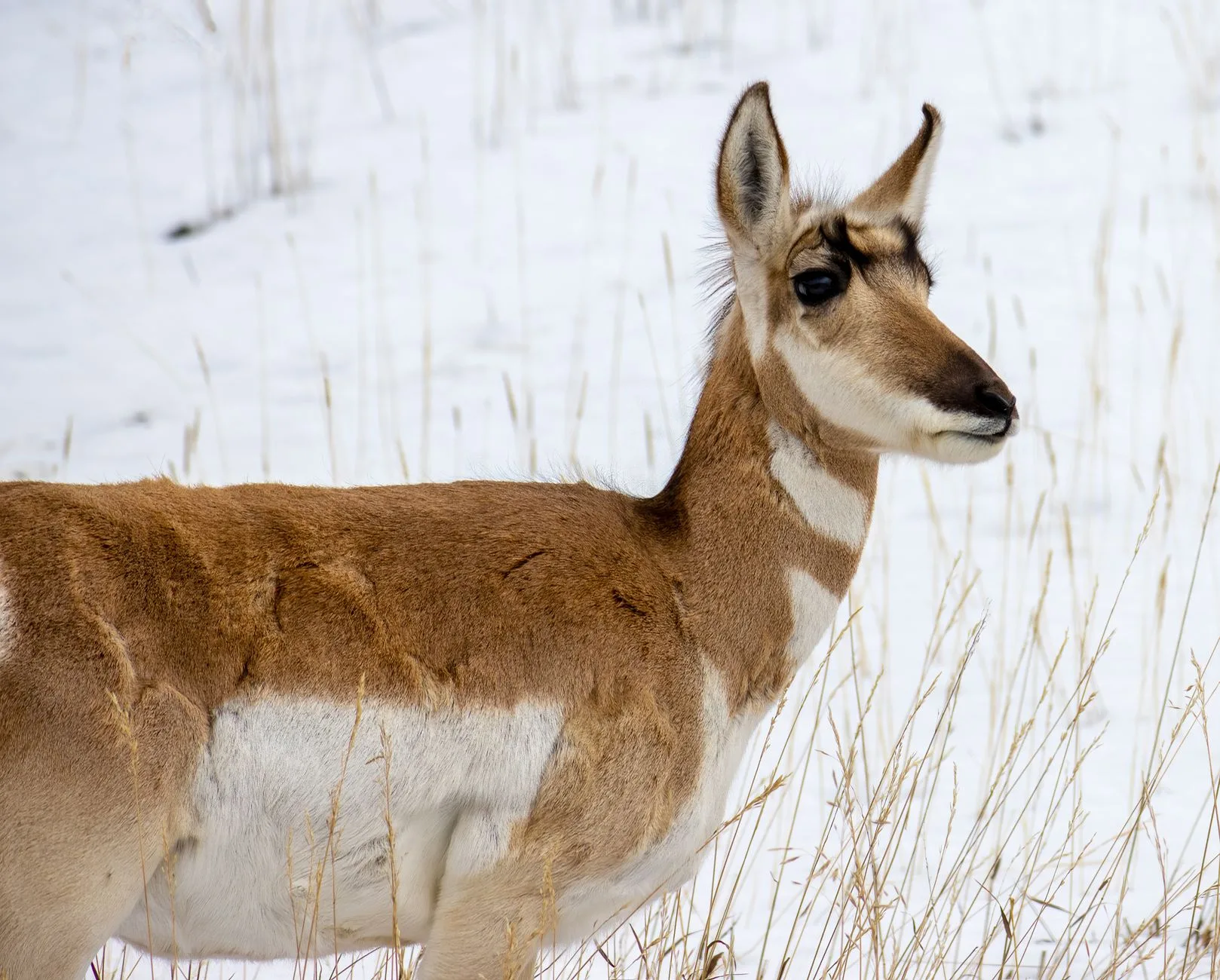
If you’ve spent any time chasing pronghorn with a bow on Montana’s open prairie, you already know how humbling it can be. These animals have extraordinary eyesight — their large, wide-set eyes give them a field of view estimated at close to 320 degrees, and they’re built to detect movement across flat country that offers almost nowhere to hide. That’s exactly what makes the decoy game so electric when it works. The crew at Twin Elements recently dropped a video from a Montana archery antelope season, and it’s the kind of footage that’ll have you rethinking your whole approach before next September.
Montana’s archery antelope season typically opens in early September and runs through mid-September — right in the heart of the rut. That timing isn’t a coincidence, and if you’re applying for tags, it’s worth knowing that antelope licenses are issued through Montana’s limited-quota drawing by hunting district, so you’ll need to apply ahead of the deadline rather than count on buying one over the counter. Check the current Montana FWP regulations each spring, since district boundaries and license availability do shift from year to year. The eastern and central prairie districts — think the Missouri Breaks country, the Musselshell River drainage, the Sun River flats west of Great Falls, and the wide-open grasslands east of Billings toward the Powder River Basin — hold solid pronghorn numbers year after year. A significant percentage of that ground is accessible through Montana’s Block Management Program or is straight BLM. You don’t need a ranch connection or a guide to play this game. You need a decoy, a rangefinder, the willingness to cover miles, and the patience to let a rutting buck talk himself into range.
What the Twin Elements hunt illustrates so well is the emotional volatility of a rutting buck working a decoy. These animals don’t just walk over — they strut, they stall, they circle, they spook, and then sometimes they come right back. The video captures several tense close encounters before one buck finally commits, which is about as honest a portrayal of decoy hunting as you’ll find. Most hunters who’ve tried this know the feeling: you’re flat on your belly behind a lightweight antelope silhouette, a buck is standing 60 yards out staring directly at you, and somehow you have to rise to full draw without triggering a full sprint in the opposite direction. It’s a mental test as much as a shooting one.
A few practical notes if you’re planning a DIY antelope hunt in Montana:
- Scout water first. In late August, pronghorn concentrate near reliable water sources, especially during dry years. Stock tanks and prairie potholes in the Musselshell and Powder River country are worth glassing before you ever put boots on the ground.
- Go lighter than you think you need to. Long belly crawls across cactus and dry grass are brutal with a heavy pack. A minimalist daypack, kneepads, and elbow pads will extend how long you can stay in the game.
- Use the wind like your life depends on it. Pronghorn eyes are the legend, but their nose ends the stalk just as often. Keep wind in your face, especially on the final approach.
- Don’t rush the decoy setup. Plant the decoy at a visible distance from a rise or ridge where a buck can spot it from a quarter mile out. You want him to find it, not stumble into it at close range and blow.
- Check Block Management access annually. Montana FWP updates Block Management maps each season at fwp.mt.gov. Parcels change hands, agreements expire, and new ground opens up. Running last year’s map in new country is a mistake.
If this video does anything for you besides entertain, let it recalibrate your expectations going into next season. Decoy success on pronghorn isn’t a one-stalk deal — it’s a numbers game played across miles of shortgrass prairie and sagebrush flats, and the hunters who connect are the ones who absorb the failures and keep moving. Montana gives you the public ground to run that process. The antelope are there. Watch how Twin Elements works through the near-misses before they get to the shot, and take notes. That grind between the first stalk and the last is where the real education lives.
Editor’s note: Corrected a licensing statement: Montana antelope archery tags are issued through a limited-quota drawing by district, not sold over the counter.
Editor’s note: Corrected the archery antelope season opening from late August to early September to reflect Montana’s actual season dates.
Montana's outdoor week, in your inbox at 7am Friday.