
If you’ve ever needed a real-world example of how one bad decision can unravel an entire ecosystem, this is it. Sometime in the late 1980s or early 1990s, somebody — illegally — dumped lake trout into Yellowstone Lake. It probably seemed harmless enough to whoever did it. It wasn’t. What followed is one of the most dramatic and underreported cascading wildlife stories in the Greater Yellowstone Ecosystem, and it has direct implications for hunters and wildlife watchers across Montana and Wyoming to this day.
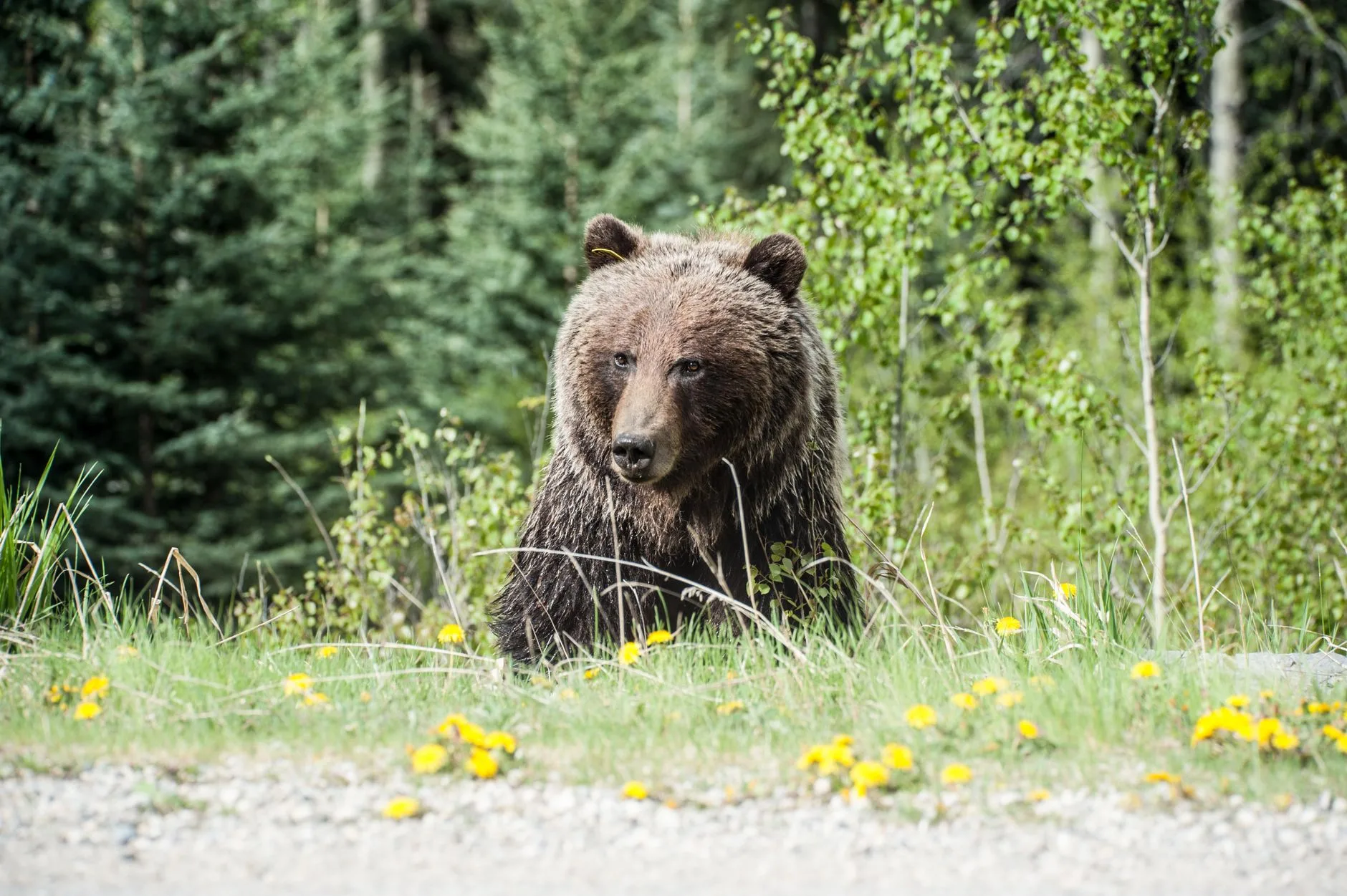
The new video from Cryptic Range breaks down the chain reaction in plain terms: lake trout are deep-water predators, and they absolutely hammered the native Yellowstone cutthroat trout population. For generations, grizzlies along the lakeshore spent June doing what grizzlies do — standing in shallow tributary streams, scooping spawning cutthroats by the dozens. It was easy, high-calorie food arriving right when bears needed it most, just out of hibernation. When the cutthroats collapsed, that buffet disappeared almost overnight. The bears had to eat something. They turned to elk calves. This isn’t speculation — researchers documented a measurable shift in grizzly predation behavior that tracked directly with the cutthroat decline. That’s the kind of trophic cascade that keeps wildlife biologists up at night.
For Montana hunters and anglers, this story hits close to home in more ways than one. Montana’s own cutthroat populations — in the Yellowstone River drainage, the Madison, the Gallatin, and countless smaller tributaries in the Paradise Valley corridor — face constant pressure from whirling disease, hybridization with rainbows, and, yes, illegal fish introductions. Montana Fish, Wildlife & Parks prohibits transporting live fish between water bodies for exactly this reason. It’s one of those regulations that can feel bureaucratic until you understand what’s actually at stake. The Yellowstone Lake disaster is Exhibit A. On the elk side, any hunter who’s drawn a coveted Yellowstone border-country tag knows that calf survival rates shape the age structure and herd size they’ll be hunting for years to come. Grizzlies hitting calves harder in June isn’t just a wildlife statistic — it works its way into your odds come November.
Cryptic Range does a solid job here of connecting dots that most mainstream outdoor media leaves scattered on the floor. The video doesn’t just point fingers at the unknown angler who dumped those lake trout — it follows the consequences all the way up the food chain and asks the harder question: how do you put it back together? The National Park Service has been running an aggressive lake trout suppression program in Yellowstone Lake for years now, netting hundreds of thousands of the fish annually. Cutthroat numbers are slowly responding. Whether the bears shift back to fish before another generation of elk calves pays the price remains an open question. Watch this one — it’s the kind of story that changes how you look at a body of water.
Montana's outdoor week, in your inbox at 7am Friday.