
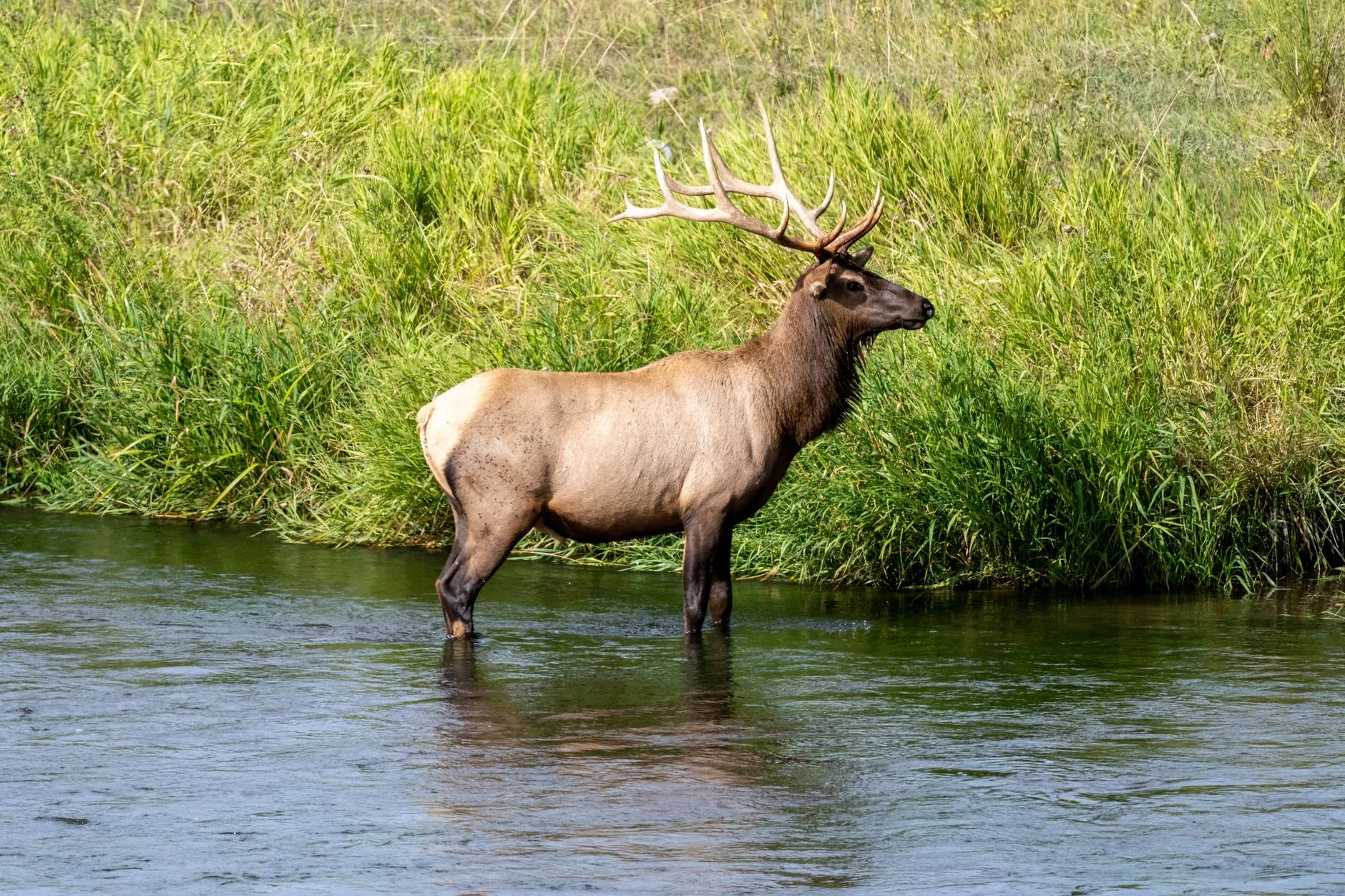
If you’ve never made the drive out to the Slippery Ann Elk Viewing Area along the Charles M. Russell National Wildlife Refuge, wildlife photographer Josh Rutledge’s latest footage is going to make you regret every fall you’ve spent somewhere else. Rutledge shot this during the peak of the rut in central Montana — and what he captured is the kind of thing that reminds you why this state is different from everywhere else.
Where Slippery Ann Actually Is — and Why It Matters
Slippery Ann sits inside the CMR Refuge near the Missouri River Breaks, straddling Fergus and Phillips counties in some of the most remote country central Montana has to offer. The nearest town of any size is Malta to the north or Lewistown to the south — either way, you’re looking at a serious drive on gravel before you get there. The viewing area is managed by the U.S. Fish & Wildlife Service and is open to the public at no charge, which makes it one of the better deals in the state for anyone who wants a genuine wilderness wildlife experience without a guided hunt price tag attached to it.
The CMR Refuge covers roughly 1.1 million acres along the Missouri River, and the elk herd that calls it home is one of the largest free-roaming herds in Montana. The Breaks terrain — cut coulees, sage flats, scattered cottonwoods along creek drainages — gives bulls plenty of structure to work with during the rut, and the Slippery Ann area in particular tends to concentrate animals in visible country. That’s the combination you’re chasing: big elk, open enough ground to actually see them, and enough remoteness that the experience still feels like something.
When to Go and What to Expect
Peak rut activity in this part of Montana typically runs from late September into mid-October, with the most intense bugling and chasing behavior happening right around the first two weeks of October depending on weather and moon phase. A hard cold front moving through can light things up fast — bulls that have been quiet will suddenly get vocal overnight. Conversely, a warm stretch in late September can push things later than you’d expect.
Early morning is your best window. Plan to be in position before first light and stay through mid-morning. Activity picks up again in the last hour before dark, but the Missouri Breaks country in October doesn’t mess around — temperatures can drop hard by late afternoon and the wind off the river can cut right through you, so dress for it. October snow is not unusual out here, and a muddy two-track in the Breaks after rain or early snow is a different animal than it was when you drove in dry.
Getting There: Road Conditions and Access Notes
The access road into the Slippery Ann area is manageable for most high-clearance vehicles under dry conditions, but this is not the place to test a passenger car or a two-wheel-drive pickup after any significant moisture. Before you make the trip, call the CMR Refuge headquarters in Lewistown at (406) 538-8706 to check road conditions and confirm the viewing area is accessible. The refuge website also posts seasonal updates, and it’s worth a quick check before you leave the pavement behind. If you’re coming from the north off U.S. Highway 2, the approach through Malta adds some flexibility on which roads you use depending on conditions.
What This Means for Hunters
Montana’s Region 6 general elk season — which covers much of this central and northeastern part of the state — opens in late October, and Rutledge’s footage is worth watching closely if you’re planning to hunt the CMR or any Breaks country this fall. Pay attention to the terrain features where bulls are holding, how they’re using drainage edges versus open ridgelines, and how close cows are staying to the timber. Bulls that are bugling hard and moving in the open during early October will start pulling back as hunting pressure builds after opener. Knowing what that fired-up behavior looks like helps you recognize when that window is closing and adjust your approach accordingly.
Even if you’re not hunting the CMR specifically, the behavioral patterns you’re seeing here translate across similar habitat anywhere in central or eastern Montana. The Breaks are the Breaks, whether you’re hunting along the Musselshell, the Judith, or down toward the Yellowstone River corridor.
Worth the Drive
Whether you’re a bowhunter who just wrapped your season, a rifle hunter putting in final scouting miles, or someone who just loves watching a big bull work a ridgeline at sunrise, watch this one full screen with the volume up. The bugles alone are worth it. And if it convinces you to finally point the truck toward Slippery Ann before the snow flies for good — you won’t be sorry you did.
Montana's outdoor week, in your inbox at 7am Friday.