
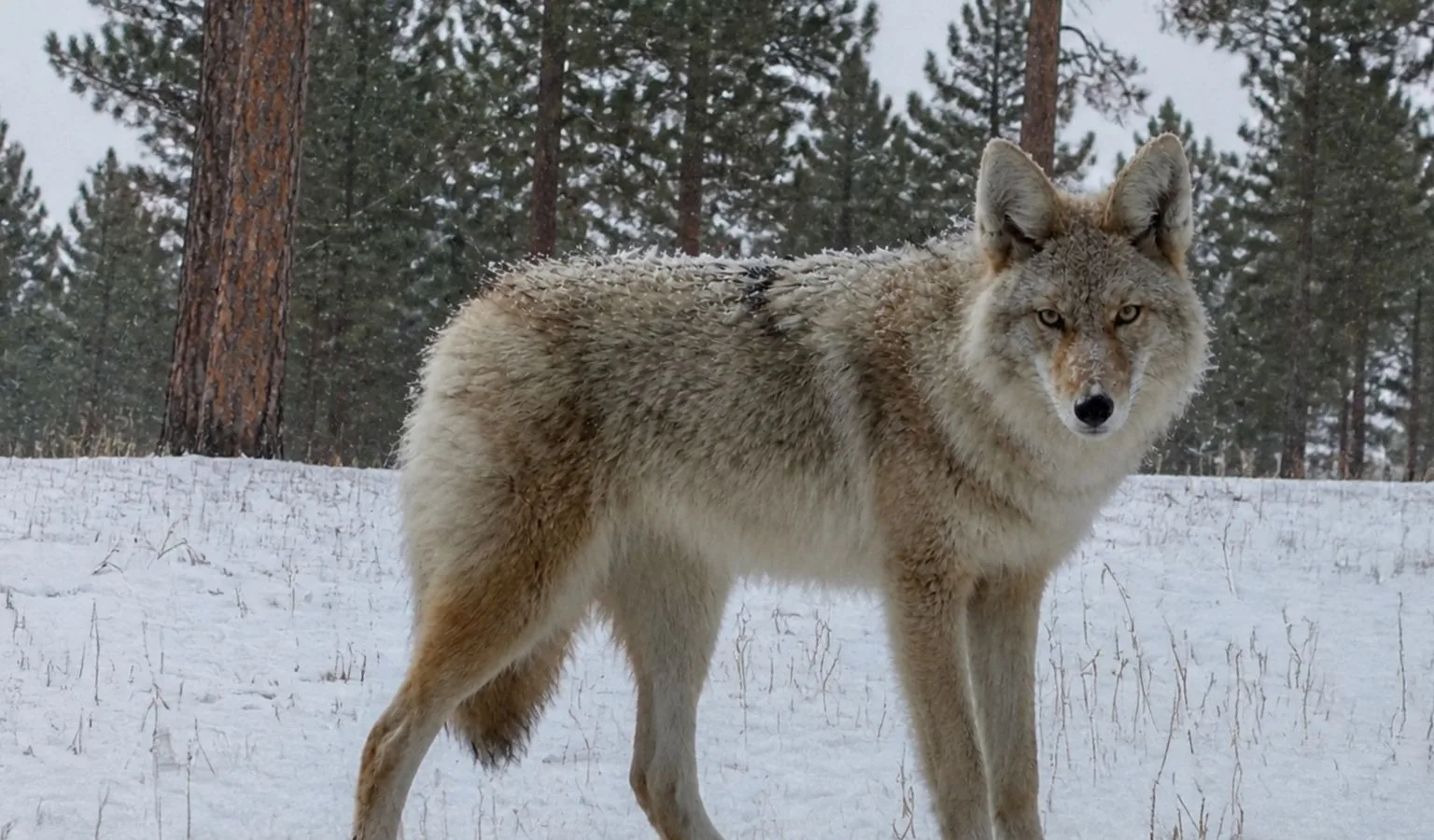
Winter coyotes are basically the burnt-out veterans of the predator world: prime fur, raging hormones, empty stomachs, and absolutely zero patience for another rerun of the dying-rabbit sound, which is why January and February reward the hunter willing to get weird. Swap the standard cottontail scream for a frantic woodpecker, a January fawn bleat that has no business existing that time of year, a quiet vole squeak, a pup whining like it lost its mom, or let a siren wail and wait for somebody to holler back (think about your dog’s response when they hear sirens), because unfamiliar sounds slip past the “something’s off” alarm that normal distress calls trip every single time. And here’s the cool part: coyotes don’t audit your audio credits, so pretty much anything that sounds like a free meal, a squabble, or a distress signal is fair game — crying babies, a skill saw blade chewing through plywood, all of it gets ears perked and noses pointed your direction. So if you have a puppy that won’t shut up, congratulations, you’re holding a coyote call! Record that little maniac before you go yote hunting, run everything soft and sparing, and treat the strange stuff as a change-up rather than the whole game plan.
As Heath Wood put it in Mossy Oak:
“Unique sounds aren’t meant to replace the basics; they’re just another tool to help you grind through the tricky part of the season.”
Which, translated, is essentially just a polite way of saying: bring the weird noises, but don’t quit on the classics!
You can read Heath’s full article about winter coyote calls here.
Montana's outdoor week, in your inbox at 7am Friday.