
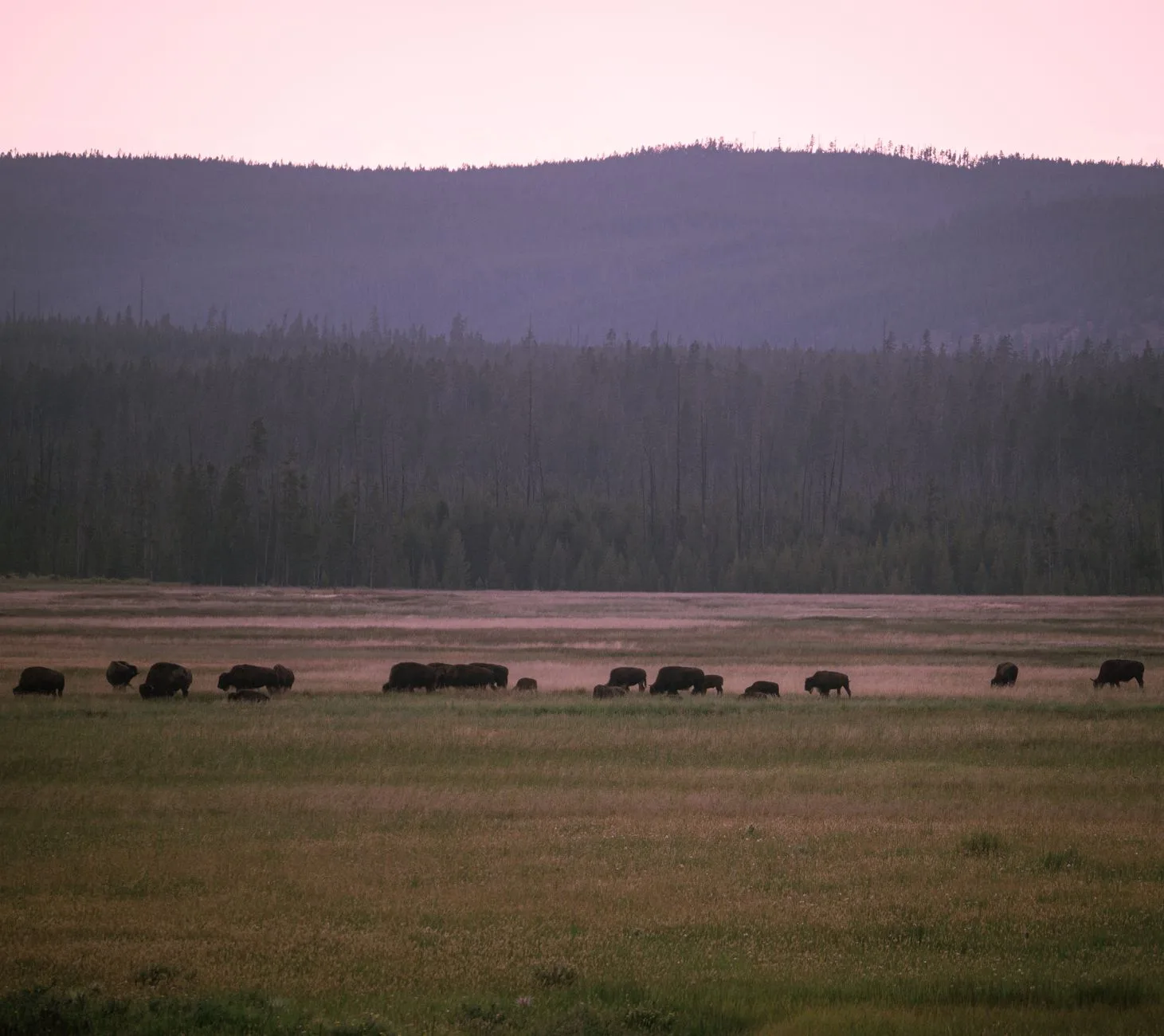
Just after midnight on an October night in 2005, sixteen bison stepped off trailers and onto the Montana prairie. No fanfare, no crowds — just hooves hitting grass in the dark and a chapter of American wildlife history quietly reopening. What followed over the next two decades is the kind of story that reminds you why conservation work — the slow, unglamorous, politically complicated kind — actually matters. Vern Hale Wildlife put together a video that tracks that whole arc, and if you have any stake in what Montana’s landscape looks like 50 years from now, it’s worth your full attention.
For context, that 2005 release was part of what would become American Prairie’s long-game effort to stitch together millions of acres of mixed-grass prairie across north-central Montana — Phillips, Valley, and Blaine counties, mostly — into something resembling the landscape Lewis and Clark stumbled through. That project has never been without controversy. Ranchers have real, legitimate concerns about bison wandering fence lines and competing with cattle for grass. The Montana Department of Livestock and Fish, Wildlife & Parks have had to walk a tightrope on disease management and boundary enforcement ever since. These aren’t abstract policy debates out here — they’re conversations happening at every sale barn and coffee shop east of the Highline. But whatever side of that argument you land on, the ecological rebound documented in this video is hard to dismiss.
Sixteen animals. That’s where it started. Whitetail hunters in the Missouri Breaks know what a difference a couple of good winters and some solid habitat management can do for a deer herd in just a few seasons. Scale that thinking up to a keystone species that literally engineers the prairie — wallowing depressions that hold water, grazing patterns that reset plant communities, the whole cascading effect — and you start to understand why biologists get emotional watching this footage. Pronghorn numbers, grassland bird populations, native plant diversity: all of it trends upward when bison are doing what bison are supposed to do on ground they co-evolved with for thousands of years.
Whether you’re a mule deer hunter glassing the breaks north of Malta, a bird hunter working the coulees for sharptails, or just someone who spends time on Montana’s public lands and gives a damn about what lives there, this one’s worth an hour of your evening. The prairie doesn’t care about our politics. It just responds to what’s on it. Sixteen animals in the dark, and look what happened.
Montana's outdoor week, in your inbox at 7am Friday.